

For families confronting the profound isolation of congenital deafness a breakthrough at one of the nations leading medical centers has begun to rewrite what is possible. Boston Children’s deaf treatment represents a pioneering approach that uses advanced gene therapy to address the root causes of hearing loss in young patients. The procedure developed after years of research involves delivering functional copies of specific genes directly into the inner ear. Early results have shown remarkable improvements in auditory function for several children who previously had no measurable hearing. This development stands as a testament to the persistence of medical innovators working to restore one of the most fundamental human senses.
Roots of Inherited Hearing Loss

Many children enter the world without the ability to detect sound because of mutations in genes that control inner ear function. These genetic changes disrupt the delicate hair cells responsible for converting sound waves into signals the brain can interpret. Researchers have identified more than one hundred such mutations that can lead to profound deafness from birth. Understanding these origins has allowed scientists to design therapies that target the problem at its source rather than managing symptoms through external devices.
How the Therapy Reaches the Inner Ear
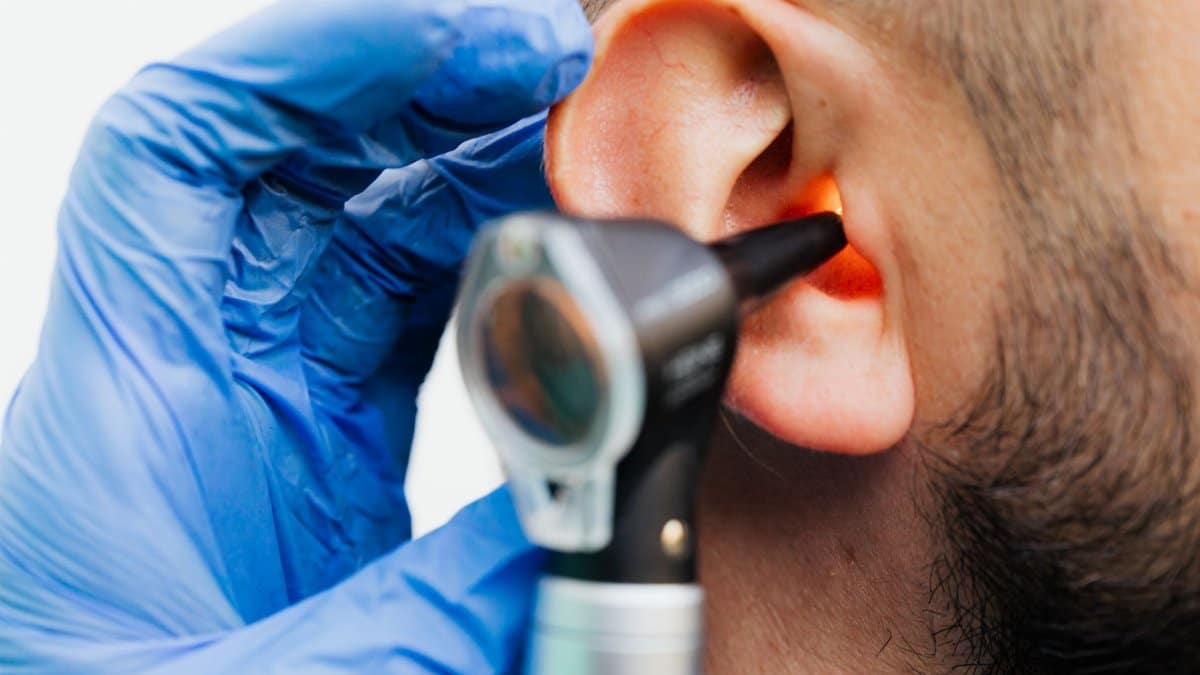
The method relies on a harmless viral vector to carry a corrected gene into targeted cells within the cochlea. Surgeons access the area through a small incision behind the ear and deliver the treatment solution with precision instruments. Once inside the cells the new genetic material begins producing proteins essential for hearing. The entire process takes a few hours and patients typically return home within a day or two.
Early Patient Experiences

One boy who received the intervention at age three responded to his mothers voice within weeks of the procedure. Audiologists documented steady gains in sound detection over subsequent months. Another participant now recognizes familiar melodies and participates more fully in classroom activities. These individual stories illustrate the potential for meaningful change when treatment occurs early in development.
Challenges in Scaling the Approach

Although initial trials have produced encouraging outcomes broader adoption faces hurdles related to cost and access. Manufacturing the viral vectors requires specialized facilities and trained personnel. Insurance coverage remains uncertain for such novel interventions. Medical centers across the country are exploring partnerships to train surgeons and establish treatment sites beyond the initial location.
Ethical Questions Surrounding Genetic Interventions

Parents and physicians weigh the benefits against uncertainties about long term effects. Some families express concerns about altering genetic material even when the goal is therapeutic. Others see the option as a natural extension of medical progress that alleviates unnecessary hardship. Ongoing discussions involve ethicists community representatives and regulatory bodies to establish clear guidelines.
Comparison With Traditional Hearing Aids

Conventional devices amplify external sounds but cannot restore the biological mechanisms of hearing. They also require daily maintenance and often provide limited benefit for those with severe inner ear damage. The gene based method aims to create lasting internal improvements that reduce dependence on wearable technology. Follow up data will determine how the two strategies complement each other in practice.
Future Directions for Similar Conditions

Success with this form of deafness has prompted investigation into other genetic disorders affecting balance and vision. Scientists are refining delivery techniques to improve safety and efficacy across different mutations. International collaborations are sharing data to accelerate progress while maintaining rigorous standards for patient safety.
Role of Multidisciplinary Teams

Treatment success depends on close coordination among geneticists surgeons audiologists and rehabilitation specialists. Families receive support throughout evaluation surgery and recovery phases. Educational resources help parents understand expected milestones and how to encourage auditory development at home.
Hope for Broader Access

Advocates continue working to ensure that geographic and economic barriers do not limit who can benefit from these advances. Philanthropic support and public policy initiatives play important parts in expanding reach. The story of Boston Children’s deaf treatment serves as a reminder that sustained investment in research can open doors previously thought closed.