

In the August primary voters across Washington state sent an unmistakable signal by backing Democratic candidates who had championed higher taxes on top earners. This outcome unfolded amid ongoing debates over revenue for public services and showed that support for such measures did not hinder electoral success. The results around the millionaires tax primary suggest that concerns about voter punishment may have been overstated by political observers.
Reviewing Election Outcomes in Key Districts

Candidates aligned with the revenue measure secured solid margins in several legislative races. Turnout patterns indicated steady support from suburban and urban precincts alike. Analysts noted that opponents of the tax failed to mobilize enough skepticism to shift results.
Tracing the Origins of Revenue Proposals

Washington has long relied on sales and property taxes to fund schools and infrastructure. Lawmakers introduced the new levy on high incomes to address gaps in those traditional sources. The measure targets households above a certain threshold while leaving most residents unaffected.
Assessing Public Response Through Polling Data

Surveys conducted before and after the primary revealed consistent levels of approval for taxing higher earners. Respondents often cited needs in education and health care as reasons for their views. Little evidence emerged of widespread anger at the ballot box.
Comparing Washington to Other State Approaches

Neighboring states have experimented with similar income based levies in recent years. Outcomes there have varied depending on economic conditions and messaging from advocates. Washington stands out for its lack of a broad based income tax until this targeted step.
Examining Effects on State Budget Planning

Projected collections from the new tax could support expanded preschool access and mental health programs. Budget writers incorporated conservative estimates to avoid shortfalls if collections fluctuate. Lawmakers emphasized flexibility in how funds would be allocated over time.
Considering Arguments from Tax Opponents

Critics warned that high earners might relocate or reduce investments within the state. They pointed to business climate rankings as evidence of possible harm. Yet primary results offered little indication that those warnings resonated with most participants.
Highlighting Role of Advocacy Groups

Organizations focused on equity helped frame the tax as a fairness issue during the campaign season. They distributed information on how revenue would reach underserved communities. Their efforts appeared to counter organized resistance in targeted areas.
Projecting Future Legislative Dynamics
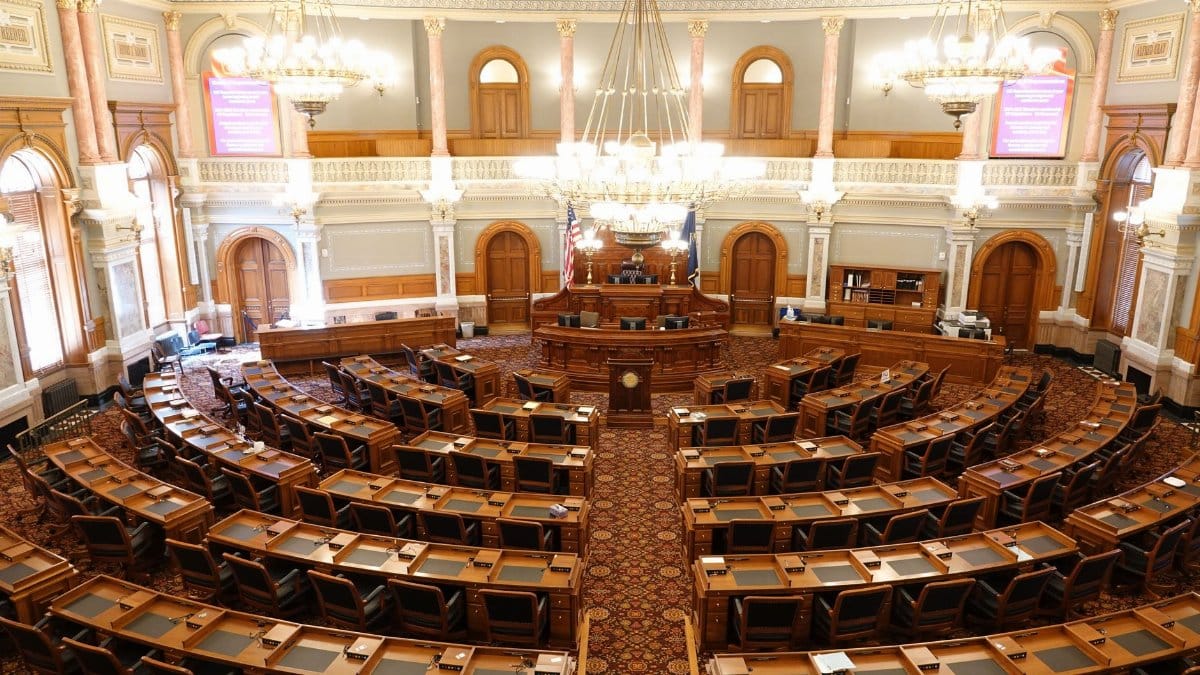
With Democrats retaining strong majorities the tax faces few procedural hurdles in upcoming sessions. Bipartisan talks may still shape implementation details such as exemptions or reporting rules. Observers expect continued scrutiny during budget negotiations.
Reflecting on Broader National Trends
Discussions about taxing wealth have gained traction in several regions facing service shortfalls. Washington experience offers one data point in those larger conversations. Primary performance provides a reference for candidates elsewhere weighing similar steps.