
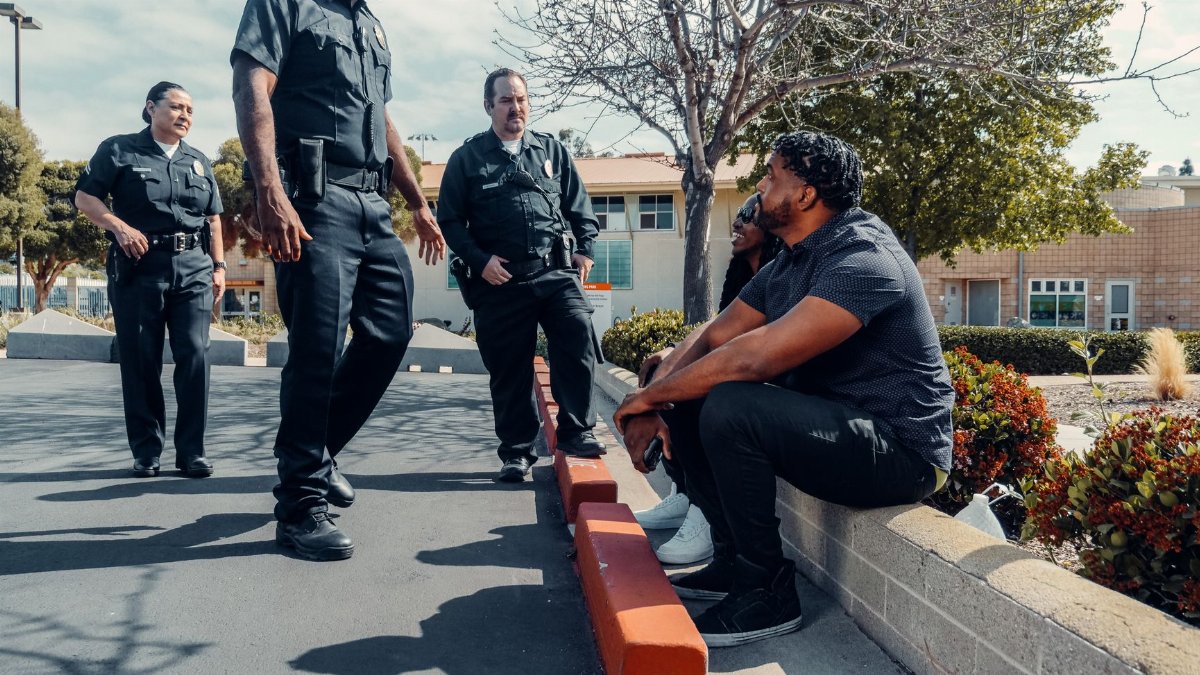
In a quiet Baltimore neighborhood last summer a routine traffic stop turned tense when an officer approached a driver who could not respond quickly enough due to autism. The situation nearly spiraled before a supervisor arrived and recognized the signs of a neurodifference. Moments like these reveal gaps in how law enforcement interacts with people who process the world differently. Communities across the region have pushed for more effective preparation that helps officers recognize and respond to disabilities without escalation. One effort stands out as police disability training gains attention for its focus on practical skills and local input.
Program Beginnings in the Region

The initiative took shape after several high profile incidents drew attention to encounters involving people with disabilities. Local advocates met with department leaders to outline what officers needed beyond standard procedures. They stressed real world examples and direct input from those living with conditions such as autism or mobility challenges. Sessions began in community centers rather than classrooms to keep the setting informal and open.
Core Elements of the Curriculum

Training modules cover recognition of common indicators and techniques for calm communication. Officers practice scenarios that include sensory overload or difficulty with verbal responses. Role players with lived experience guide feedback after each exercise. The approach avoids lectures in favor of discussion and repetition so skills become second nature during patrols.
Community Voices Shape Content

Residents with disabilities helped design the material from the start. Their accounts of past stops informed which situations receive the most attention. Families shared stories about fear during routine checks or medical emergencies. This input keeps the sessions grounded and relevant to daily life in the area.
Early Results from Officer Feedback

Participants report greater confidence when facing unexpected behaviors on the street. Some note they now pause longer before issuing commands and watch for nonverbal cues. Supervisors have observed fewer uses of force in documented cases involving known disabilities. Data collection remains ongoing to track patterns over time.
Challenges During Rollout

Time constraints on shift schedules limit how many officers can attend at once. Some veteran staff question whether new methods will hold up under pressure. Funding for ongoing sessions depends on grants that must be renewed each cycle. Coordinators work to fit workshops into existing academy requirements without overload.
Comparisons with National Efforts

Similar programs operate in several other cities yet the Baltimore area version draws on hyper local stories and partnerships. It emphasizes smaller group sizes for more personal interaction. Trainers travel to precincts rather than requiring travel to a central site. This flexibility helps reach officers who might otherwise miss out.
Role of Family Support Networks

Parents and caregivers often serve as bridges between officers and individuals during encounters. The training encourages contact with these networks when time allows. Preexisting relationships can reduce confusion on both sides. Advocates continue to push for better ways to share medical information safely and privately.
Looking Ahead for Expansion

Leaders hope to include more specialized tracks for mental health and developmental conditions. Partnerships with medical centers could add updated research on sensory processing. Annual refreshers are under discussion to reinforce core skills. Success will depend on steady support from city officials and continued community trust.