

In the quiet stretches of rural Illinois where family routines have long revolved around steady shifts at a single processing plant generations of workers now face an abrupt shift in their daily existence. The Tyson Illinois closure marks a turning point for communities near the Quad Cities as officials confirmed the beef facility will halt operations later this year. Roughly 2500 positions stand to disappear creating ripple effects through local businesses schools and support networks that have depended on those paychecks for decades. This decision arrives amid broader industry adjustments yet it lands with particular force in a region already navigating fluctuating agricultural markets and changing consumer demands. Residents describe a mix of disbelief and quiet resolve as they consider next steps in careers built over many years.
Details Behind the Facility Shutdown Decision

Company representatives cited reduced cattle supplies and rising operational costs as central factors in the move. The plant had processed beef for national distribution yet recent supply chain pressures made continued production less viable. Local leaders received notification in advance allowing time to prepare support programs though the scale of job losses still stunned many observers.
Impact on Workers and Their Families
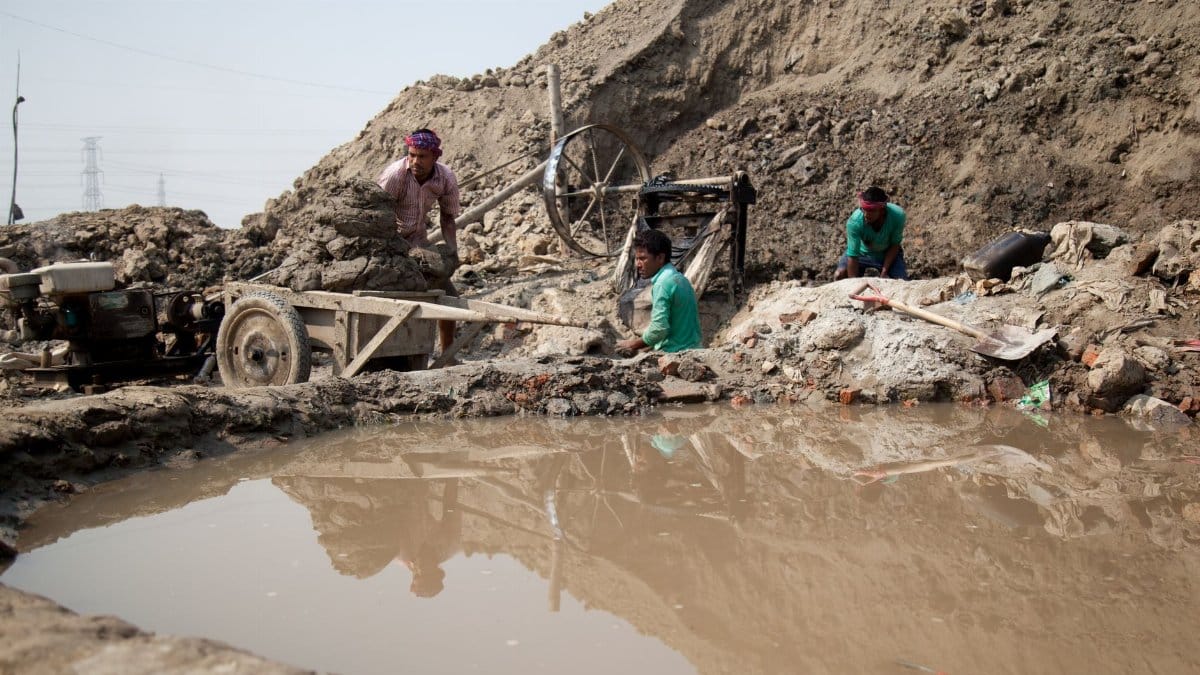
Employees with long tenures now weigh options such as relocation retraining or early retirement. Some describe the plant as more than a workplace describing it as a community hub where friendships formed across shifts. Spouses and children in the area anticipate adjustments in household budgets and daily schedules as income sources change.
Broader Economic Effects on the Region

Area retailers and service providers anticipate slower sales once paychecks stop arriving. Property values near the facility could face pressure while tax revenues that fund public services may decline over time. Economists note similar patterns in other Midwestern towns after comparable closures though recovery timelines vary based on new employer arrivals.
Responses from State and Local Officials

Illinois representatives have pledged assistance through unemployment benefits and job placement services. Meetings with federal agencies aim to secure additional grants for workforce development. Community forums allow residents to voice concerns and suggest ideas for attracting fresh investment to the area.
Industry Trends Influencing Such Moves

Meat processing firms across the country review their footprints in light of labor shortages and evolving regulations. Consolidation in the sector often leads to fewer but larger sites leaving smaller or older facilities vulnerable. Observers point to automation advances that reduce the need for manual roles in some operations.
Community Efforts to Support Those Affected

Churches and civic groups organize food drives and counseling sessions to ease the transition. Faith leaders emphasize themes of resilience and mutual aid drawing on longstanding traditions of helping neighbors through hardship. These gatherings provide spaces for sharing stories and exploring collective strategies.
Potential Paths for Future Employment

Training programs focused on logistics healthcare and renewable energy sectors show promise for displaced workers. Partnerships with nearby colleges offer certification courses tailored to current market needs. Some former employees explore entrepreneurship using skills honed in the plant environment.
Environmental Considerations at the Site

Cleanup and repurposing plans for the facility grounds remain under discussion. Officials review soil and water conditions to ensure safe reuse whether for industrial or other purposes. Sustainable redevelopment could attract new tenants aligned with regional growth goals.
Historical Context of Plant Operations
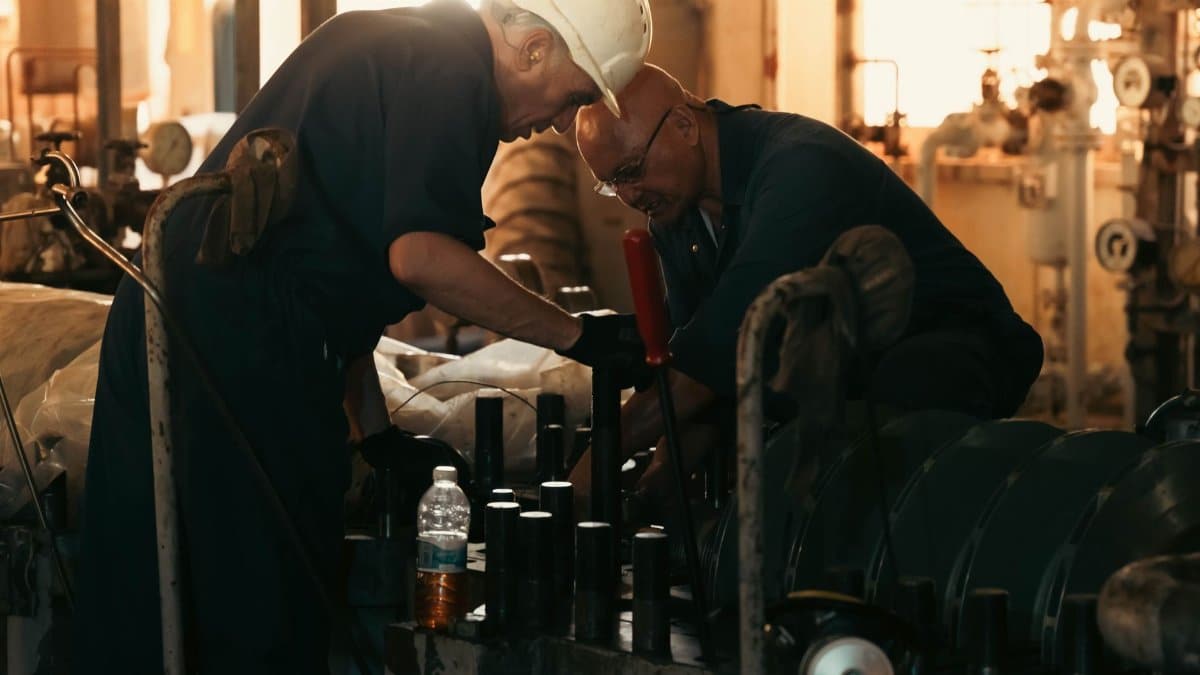
The site opened decades ago contributing to the expansion of beef production in the Midwest. It employed multiple generations from the same families fostering a sense of continuity in the local culture. Changes in ownership and technology marked its evolution over the years.
National Implications of Regional Job Losses
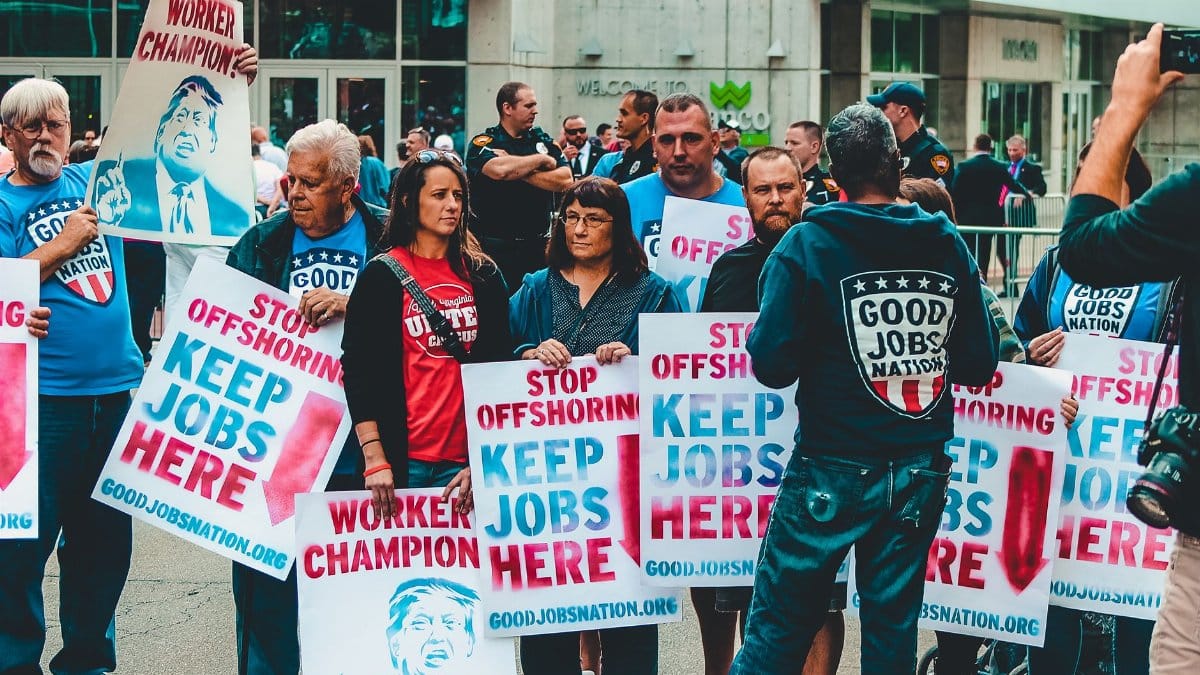
Similar announcements in other states highlight ongoing challenges in manufacturing and agriculture sectors. Policymakers debate incentives to retain such facilities while balancing corporate needs with worker protections. Public discourse often centers on the human side of economic shifts.
Stories of Adaptation from Similar Situations

Towns that faced parallel closures sometimes rebound through diversified economies and strong leadership. Examples include conversions to distribution centers or educational campuses. Lessons from those experiences inform current planning efforts in Illinois.