
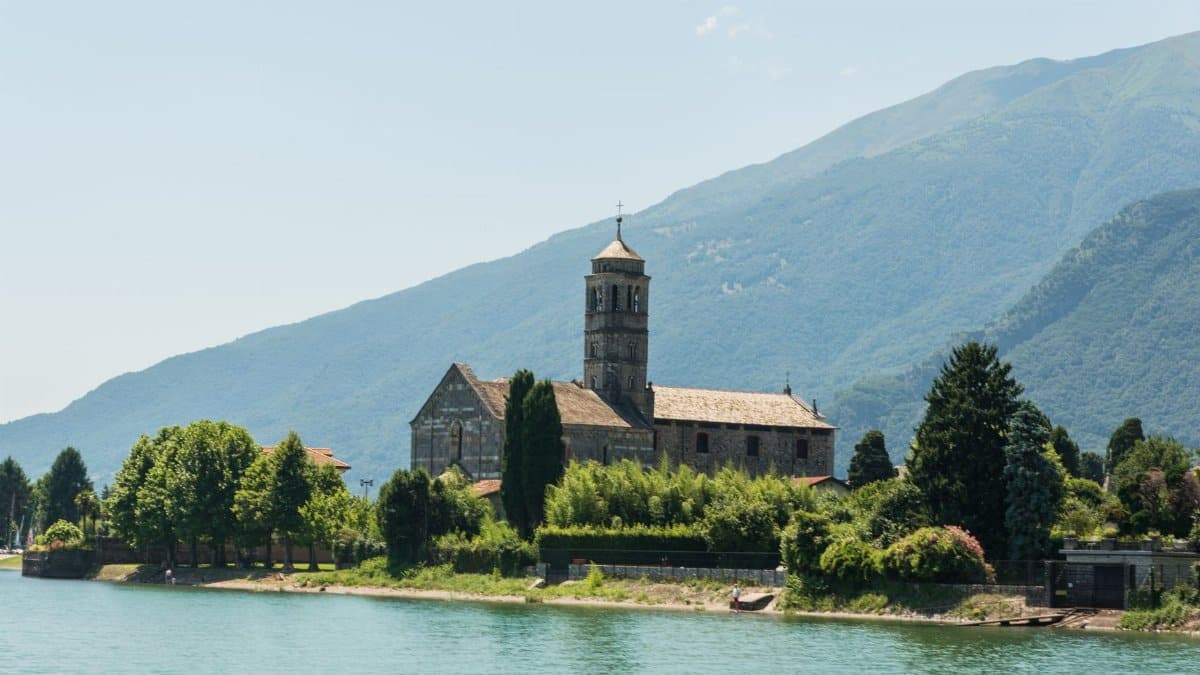
Early summer brought an unexpected scene to the shores of Como Lake in St. Paul where thousands of fish washed up in a sudden and troubling event known as Como Lake Fish Die Off. Residents who walked the paths around the water noticed the scale of the loss as cleanup crews worked to remove the remains. Officials counted close to ten thousand dead fish which raised immediate questions about what had gone wrong in this popular urban lake. The situation drew attention from environmental agencies and local residents alike as they sought answers on water conditions and possible triggers behind the mass death.
Scale of the Loss at Como Lake

The numbers tell a stark story of disruption in a body of water that usually supports a range of species. Crews collected fish over several days while testing revealed low oxygen levels in deeper parts of the lake. Such conditions often arise when warm weather combines with excess nutrients to fuel rapid algae growth that then consumes oxygen as it decays.
Water Quality Testing Underway

State environmental staff began a series of samples across multiple depths and locations to map the changes in chemistry. Results pointed to a classic summer kill pattern yet the speed of the event surprised some observers who monitor the lake regularly. Further analysis will look for signs of other stressors such as chemical runoff or shifts in temperature profiles.
Role of Weather Patterns

Recent heat waves and calm winds likely reduced mixing in the water column which left bottom layers starved of fresh oxygen. Lakes in the region face similar pressures during extended warm spells and Como Lake sits within a dense urban setting that adds extra nutrient loads from surrounding streets and lawns.
Impact on Local Wildlife and Recreation

Anglers and families who frequent the park noticed fewer birds and a quieter shoreline after the die off. The loss affects not only the fish population but also the broader food web that depends on healthy aquatic life. Cleanup efforts focused on public areas to limit odors and maintain access for visitors.
Community Reactions and Concerns

Neighbors gathered at public meetings to share observations and press for quicker responses from city leaders. Some recalled past incidents in other metro lakes and wondered whether similar patterns were emerging here. Discussions turned to long term care of urban waters and the need for better nutrient controls upstream.
Possible Links to Urban Runoff
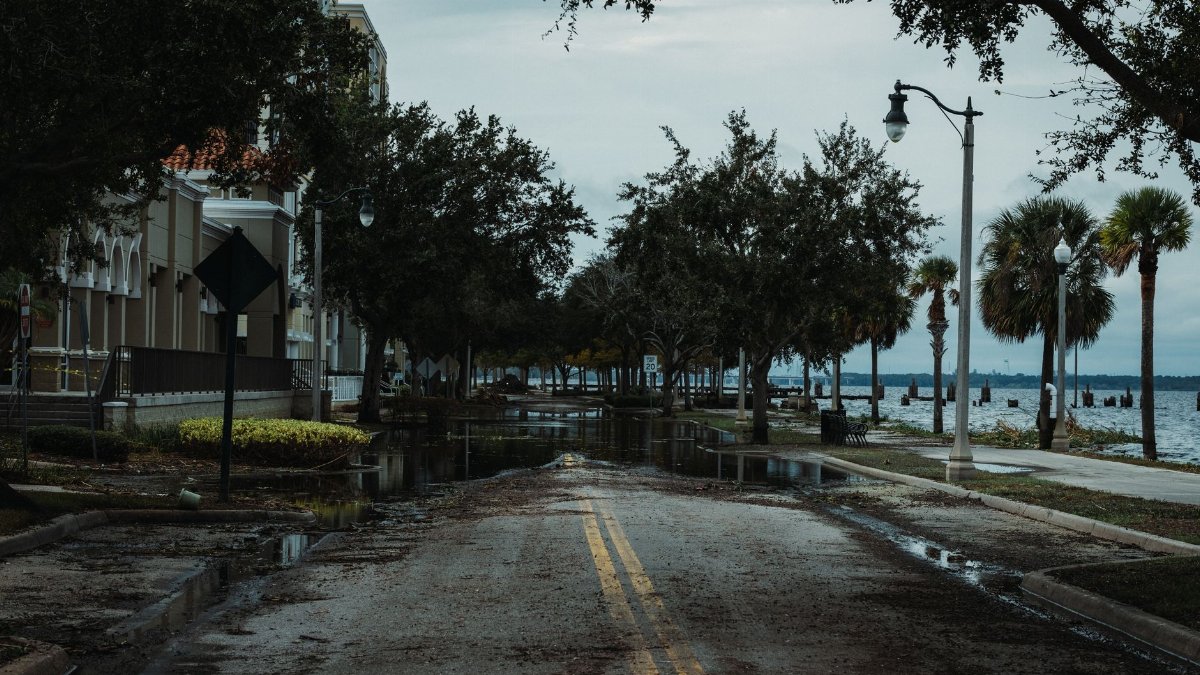
Storm drains that empty into Como Lake carry materials from roads and yards that can feed algae blooms. City workers track these inputs during heavy rains yet the cumulative effect over years remains difficult to measure. Efforts to reduce fertilizer use and improve drainage designs offer one path toward prevention.
Lessons from Earlier Lake Events

Records from other Minnesota waters show that sudden fish losses often follow the same sequence of warm weather and low oxygen. Managers have applied aeration systems or chemical treatments in some cases though each lake presents unique challenges based on size and depth.
Future Monitoring Plans

Officials plan to install continuous sensors that track oxygen and temperature through the coming seasons. Data from these devices could provide early warnings and allow faster action if conditions begin to repeat the pattern seen this year.
Broader Questions on Lake Stewardship

The Como Lake Fish Die Off serves as a reminder that urban waters require ongoing attention to stay balanced. Changes in one part of the system can ripple outward and affect both wildlife and the people who value these green spaces. Continued investment in water quality supports both ecological health and community wellbeing.