
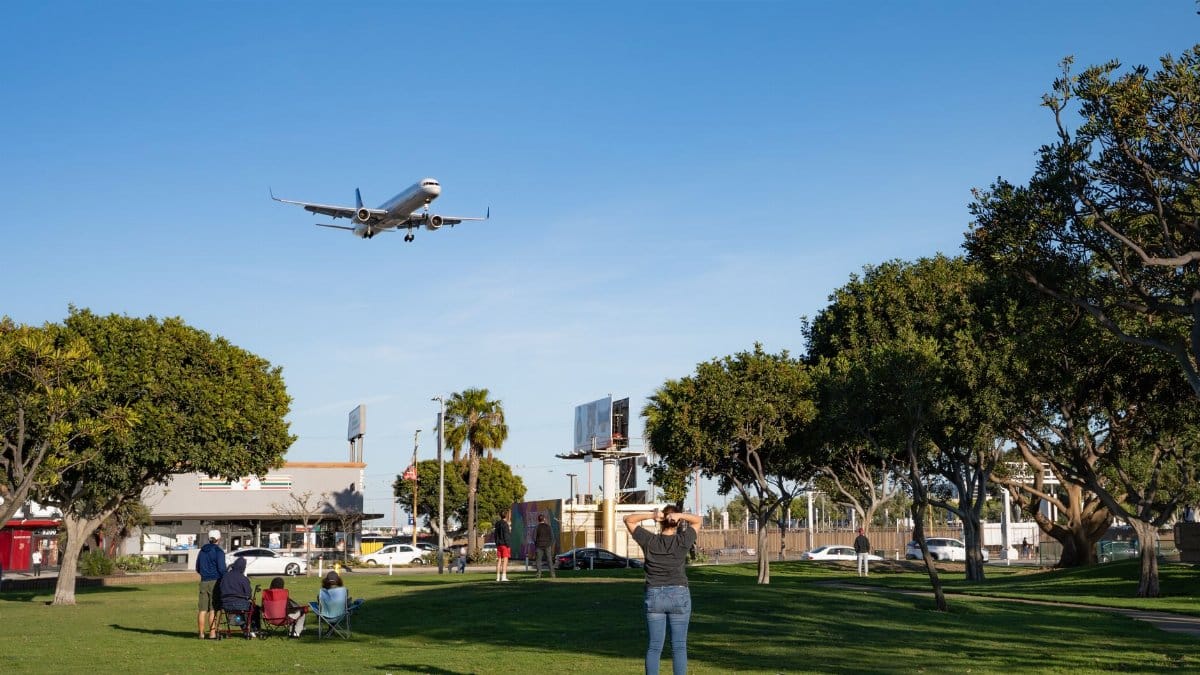
The long anticipated Automated People Mover at Los Angeles International Airport has reached a remarkable stage of progress. With construction teams pushing through various challenges the system known as LAX people mover stands at 99 percent completion. Yet questions linger about when passengers will actually be able to use it amid ongoing tests and coordination issues with airlines and city officials. This development marks a significant shift in how travelers navigate one of the busiest airports in the world promising easier connections between terminals parking areas and the metro line. Observers note that such projects often face last minute hurdles even when physical work appears finished. The focus now turns to integration and safety validations that could delay the launch beyond initial targets. Public interest remains high as many residents and frequent flyers anticipate relief from current shuttle bus hassles and traffic congestion around the airport grounds.
Background on Airport Transit Needs
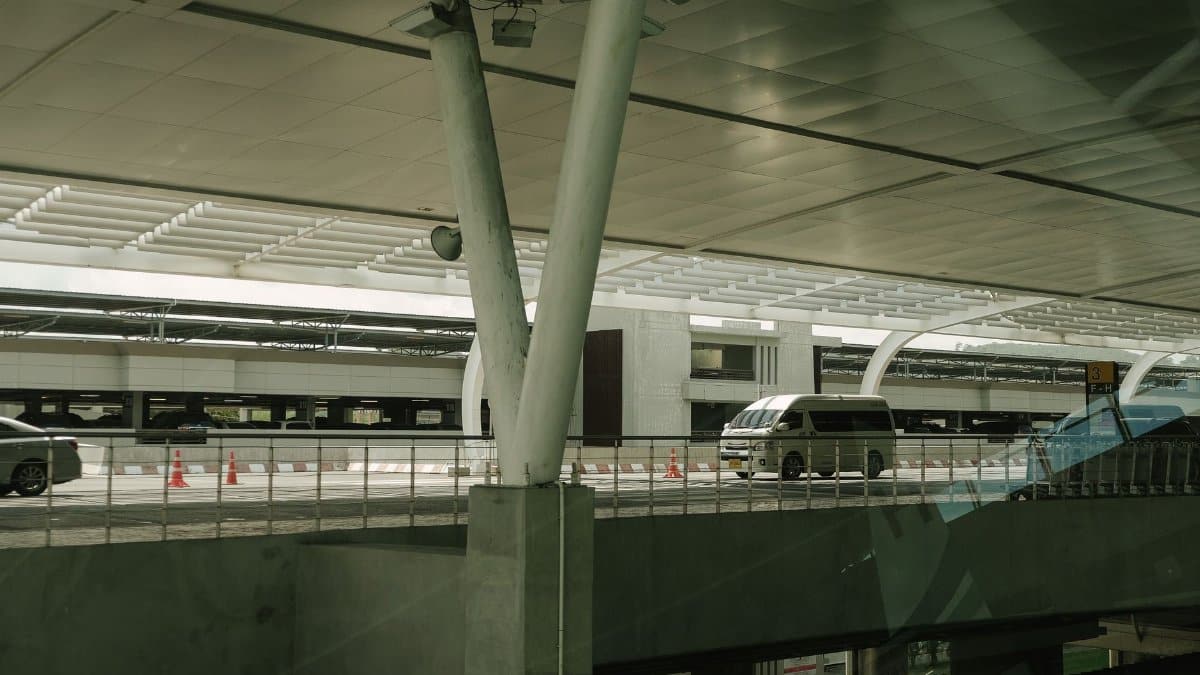
Los Angeles International Airport handles millions of passengers each year creating constant pressure on ground transportation options. Older methods involving buses and private vehicles often lead to delays during peak hours. Planners envisioned LAX people mover as a solution to streamline movement across the expansive facility. The design draws from similar systems at other major hubs emphasizing reliability and reduced emissions through electric operation.
Details of Construction Progress

Work on the elevated guideway and stations has wrapped up substantially in recent months. Engineers report that track installation and vehicle assembly meet required standards. Remaining tasks center on software calibration for automated operations and final inspections by regulatory bodies. Teams have addressed earlier setbacks related to supply chain disruptions by adjusting schedules accordingly.
Potential Opening Timeline Challenges
Despite the high completion rate officials have not confirmed a firm launch date. Coordination with airlines for boarding procedures and emergency response training continues. Some experts suggest that full certification might extend into the following year if additional adjustments prove necessary. Travelers should monitor official airport updates for any announcements.
Impact on Passenger Experience
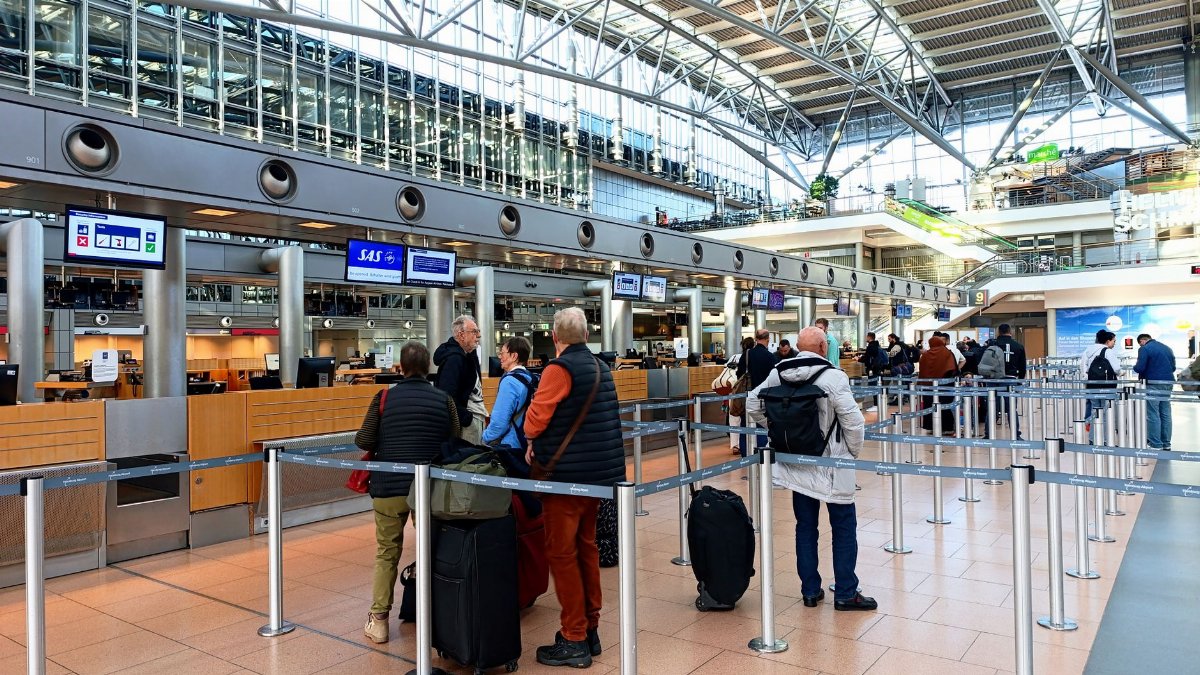
Once operational the system will offer seamless rides between key points reducing walking distances for those with luggage or mobility concerns. Connections to public transit will encourage more sustainable travel choices for local commuters. Airport staff anticipate fewer complaints about ground transport reliability as a result.
Economic and Environmental Considerations

The investment in this infrastructure supports job creation during the final phases and beyond through maintenance roles. Electric propulsion aligns with broader goals to lower the carbon footprint of airport activities. Local businesses near the terminals may see increased foot traffic from easier access.
Comparisons with Similar Systems Elsewhere

Other airports have implemented automated people movers with varying degrees of success. Lessons from those installations informed the Los Angeles approach particularly in terms of weather resilience and capacity planning. Differences in scale and integration with existing rail lines set this project apart.
Public and Stakeholder Reactions

Community groups have voiced support for the project while urging transparency on any delays. Airline representatives emphasize the need for smooth transitions to avoid disruptions during busy travel seasons. Feedback from test riders has highlighted comfort and quiet operation as positive features.
Future Expansion Possibilities

Planners already discuss extensions that could link additional facilities or nearby developments. Such growth would build on the current foundation to serve evolving airport demands over coming decades. Continued funding and political backing remain essential for realizing those ambitions.