
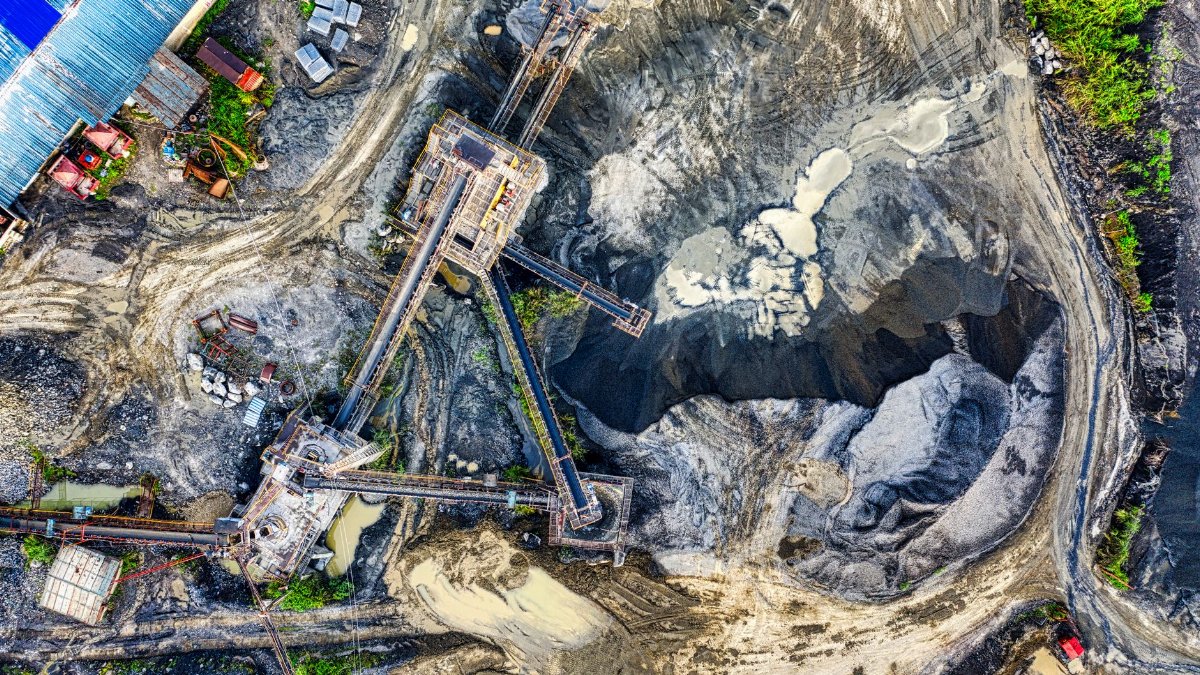
In the sunbaked hills of eastern Cuba where nickel and cobalt veins run deep beneath red soil a new wave of interest is stirring from abroad. Decades after nationalization severed ties with foreign capital Cuban mining investors are once again drawing attention as American groups explore ways to secure stakes in the Moa Bay complex. The site holds some of the largest known reserves of battery metals outside traditional suppliers and its fate could reshape regional economics in ways not seen since the 1960s.
Background on the Moa Bay deposit
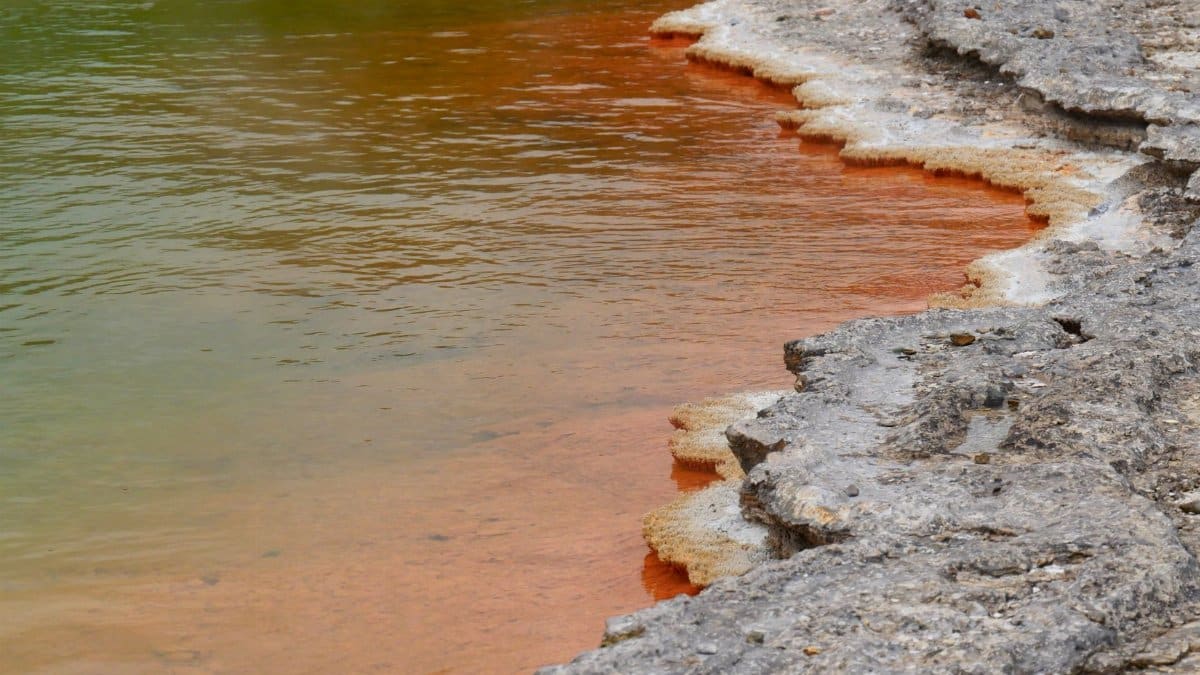
The Moa facility sits in Holguin province and has operated under joint Canadian Cuban control for years. Its open pit operations yield high grade nickel and cobalt concentrate shipped for further refining abroad. Recent shifts in global supply chains have prompted fresh assessments of who might gain influence over output and technology upgrades.
American interest emerges amid policy signals

Washington has floated limited openings for licensed dealings with Cuban state enterprises when projects align with broader strategic goals. Several investment funds based in Florida and Texas have quietly commissioned feasibility reviews focused on modernizing extraction methods at Moa. These efforts remain exploratory yet signal a willingness to test boundaries that have stayed closed for generations.
Geopolitical stakes in critical minerals
Nickel and cobalt feed the electric vehicle boom and defense applications alike. Control of Moa would give any outside partner leverage in markets now dominated by Asian and Australian producers. Cuban authorities appear open to technology transfers that could raise yields while preserving majority state ownership.
Legal hurdles facing potential deals

US sanctions still bar most financial transactions with Cuban entities though narrow exceptions exist for agricultural and medical sectors. Mining falls outside those carve outs so any American led venture would require fresh Treasury licenses and possibly congressional review. Cuban law meanwhile demands that foreign partners accept joint venture structures with limited profit repatriation.
Local community perspectives in Holguin

Residents near the mine have lived with dust pollution and water strain for decades. Some welcome the prospect of new capital that might fund cleaner processing equipment and better roads. Others worry that external involvement could accelerate extraction without addressing long standing health complaints.
Canadian partners and shifting alliances

Sherritt International has maintained its Moa stake through political cycles yet faces its own capital constraints. A US entry could alter the existing balance by bringing different engineering standards and marketing channels. Negotiations would likely involve trilateral talks among Havana Ottawa and Washington.
Environmental considerations at the site
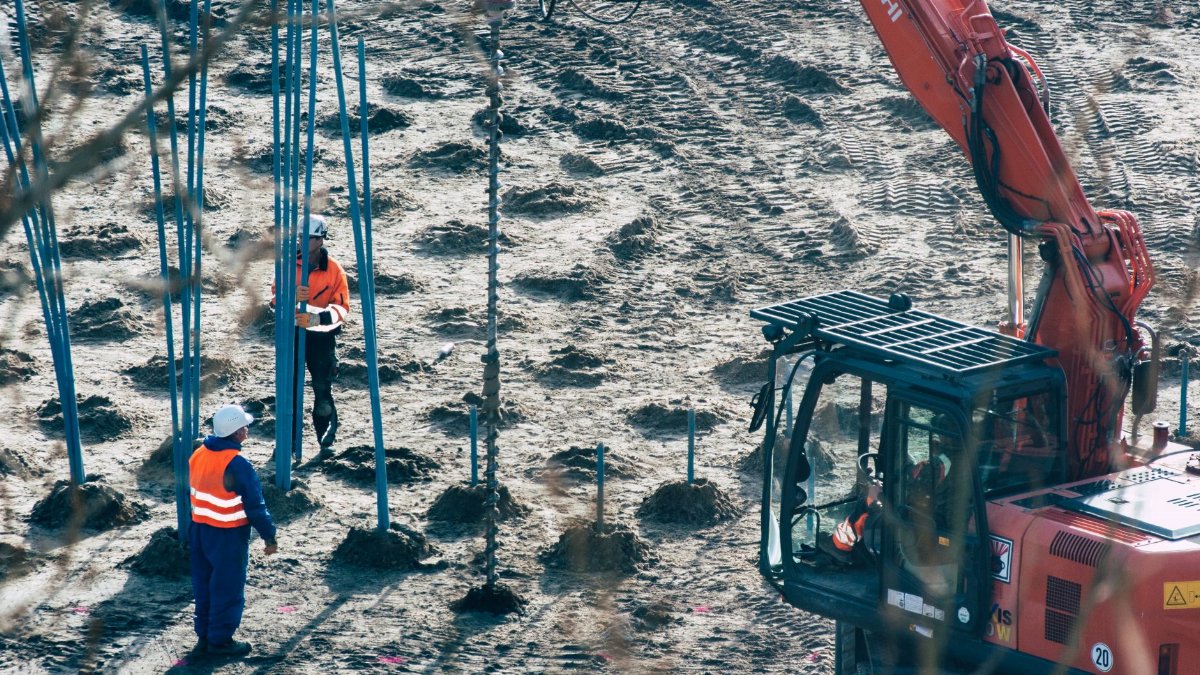
Older tailings ponds at Moa leak heavy metals into nearby streams according to independent monitoring reports. Upgrades to closed loop systems and modern filtration could reduce harm yet require substantial investment. Cuban regulators have signaled that any new partner must meet higher standards than those applied in past expansions.
Market implications for battery supply chains
Stable access to Cuban cobalt would diversify sources away from the Democratic Republic of Congo and Indonesia. Analysts note that even modest increases in Moa output could ease price volatility for cathode manufacturers. The timing coincides with US legislation aimed at securing domestic and allied mineral supplies.
Outlook for formal negotiations

Progress hinges on political developments in both countries. A change in US administration posture or Cuban economic reforms could accelerate talks while renewed tensions would freeze them. For now Cuban mining investors continue preliminary discussions through third party consultants rather than direct Washington Havana channels.