
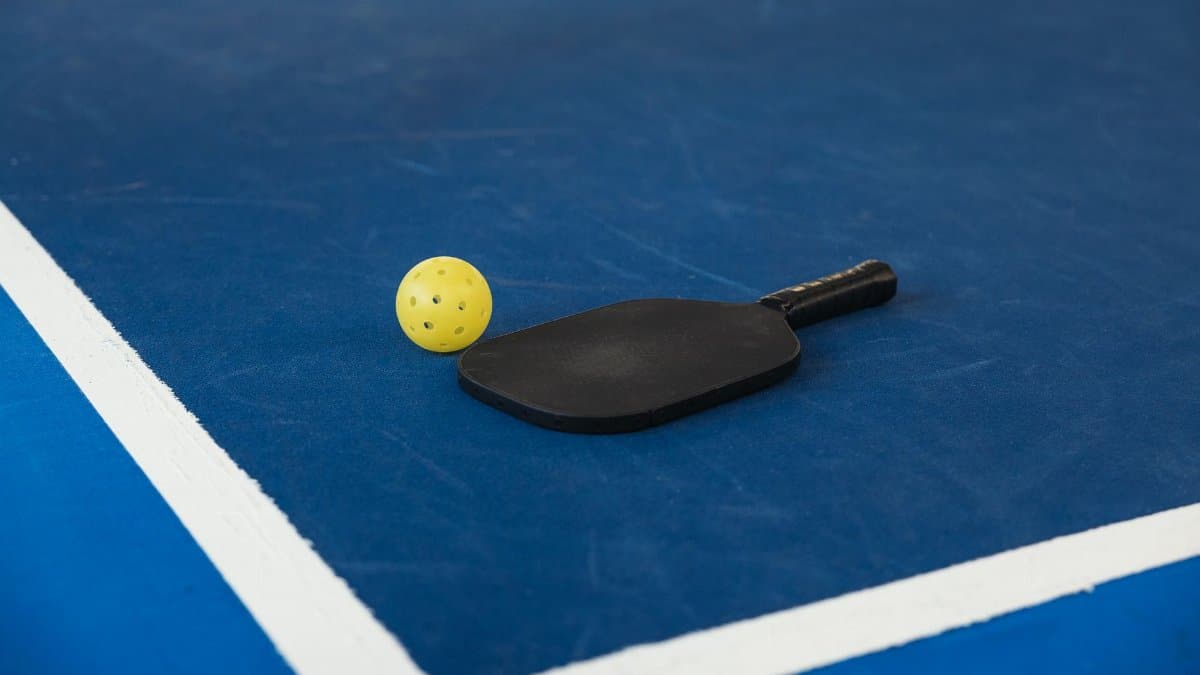
Residents of a quiet Cape Cod community watched as their evening routines on public courts came under scrutiny from town officials responding to years of noise complaints from nearby homes. Players accustomed to lively matches suddenly faced restrictions designed to soften the impact of their games on surrounding areas. The Mashpee pickleball rule required the use of quieter equipment during certain hours, a step intended to ease tensions yet one that instead fueled widespread discussion about fairness and recreation access in local parks.
Background of Court Usage Disputes

Pickleball has grown steadily in popularity among middle aged adults seeking low impact exercise and social connection. In Mashpee courts saw increased activity during peak seasons leading officials to review feedback from residents living close by. Many described the distinctive popping sounds as disruptive to daily life and sleep patterns especially in summer months when windows stay open longer.
Details Behind the Quiet Equipment Mandate

Town leaders crafted the Mashpee pickleball rule to address specific concerns without shutting down the sport entirely. The policy called for special balls that produce less volume allowing continued play while respecting neighbors. Implementation began with posted signs and announcements at the facilities themselves.
Petition Drive Gains Momentum

Opposition surfaced almost immediately through an online petition that collected hundreds of signatures within days. Supporters of unrestricted play argued the change limited enjoyment for a growing number of enthusiasts who rely on these public spaces. They gathered at meetings to voice preferences for alternative solutions like adjusted schedules rather than equipment changes.
Perspectives from Regular Players
Longtime participants described the sport as essential to their physical health and mental well being. Some noted they travel from surrounding towns to join group sessions and worry the restrictions could reduce overall participation. Others suggested compromises such as designated zones for louder games during daylight hours.
Views from Nearby Homeowners
Those living adjacent to the courts expressed relief at the new approach after repeated attempts to seek relief through normal channels. They highlighted how constant activity affects property values and quality of life in an area prized for its tranquility. Several shared stories of conversations interrupted by the steady rhythm from morning until dusk.
Broader Impact on Regional Recreation
Similar issues have arisen in other coastal communities where demand for court space outpaces available facilities. The Mashpee pickleball rule serves as one example of local governments balancing growth in a recreational trend against established residential expectations. Officials elsewhere monitor developments to inform their own policies.
Future Adjustments and Community Dialogue

Town meetings continue to draw crowds eager to propose revisions or expansions of the current framework. Feedback sessions allow input from all sides including families who view the courts as vital gathering spots. The Mashpee pickleball rule remains a focal point as adjustments get considered based on early results.
Lessons for Other Towns Facing Similar Issues
This situation illustrates challenges that arise when popular activities expand rapidly in shared public areas. Effective solutions often require input from multiple stakeholders to avoid prolonged conflict. Continued observation of outcomes in Mashpee may guide approaches that preserve access while addressing valid concerns about noise levels.