
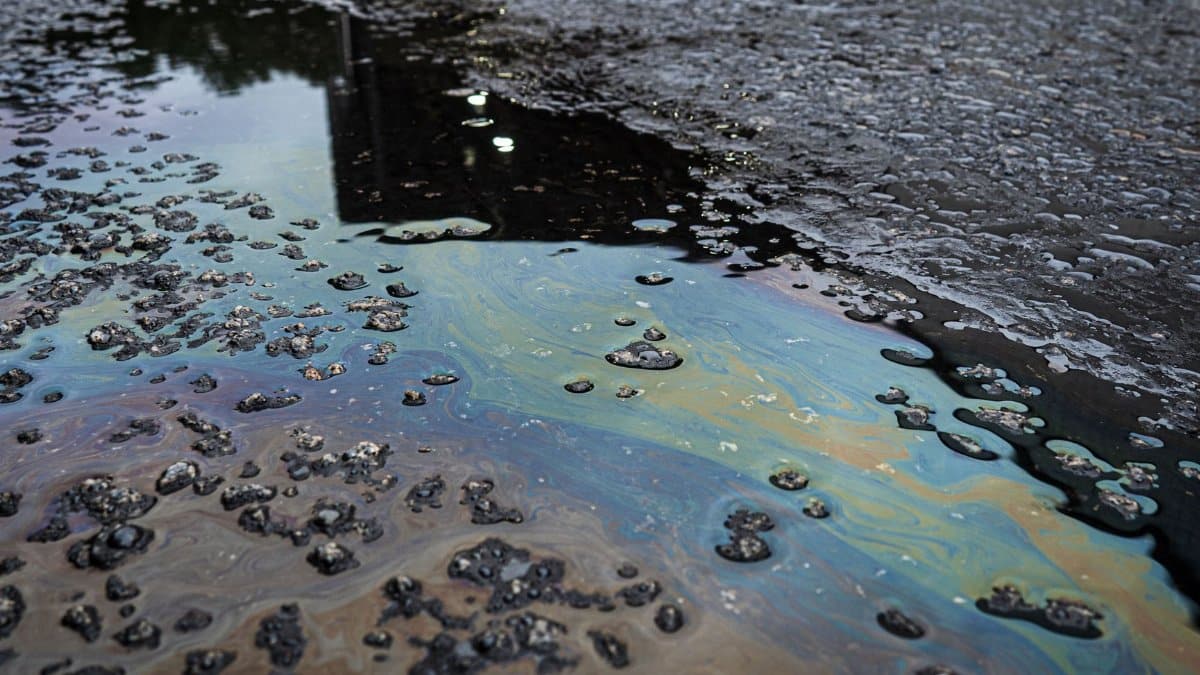
The abandoned pulp mill in Cosmopolis, Washington, stands as a stark reminder of industrial decline in the Pacific Northwest. Once a major source of jobs for the local community, the site now leaks hazardous materials into the surrounding environment. Federal authorities have assumed control of operations to address the growing crisis. This development marks a significant shift in how the Cosmopolis mill cleanup will proceed, bringing in resources from the national level to manage the spill.
Historical Background of the Facility
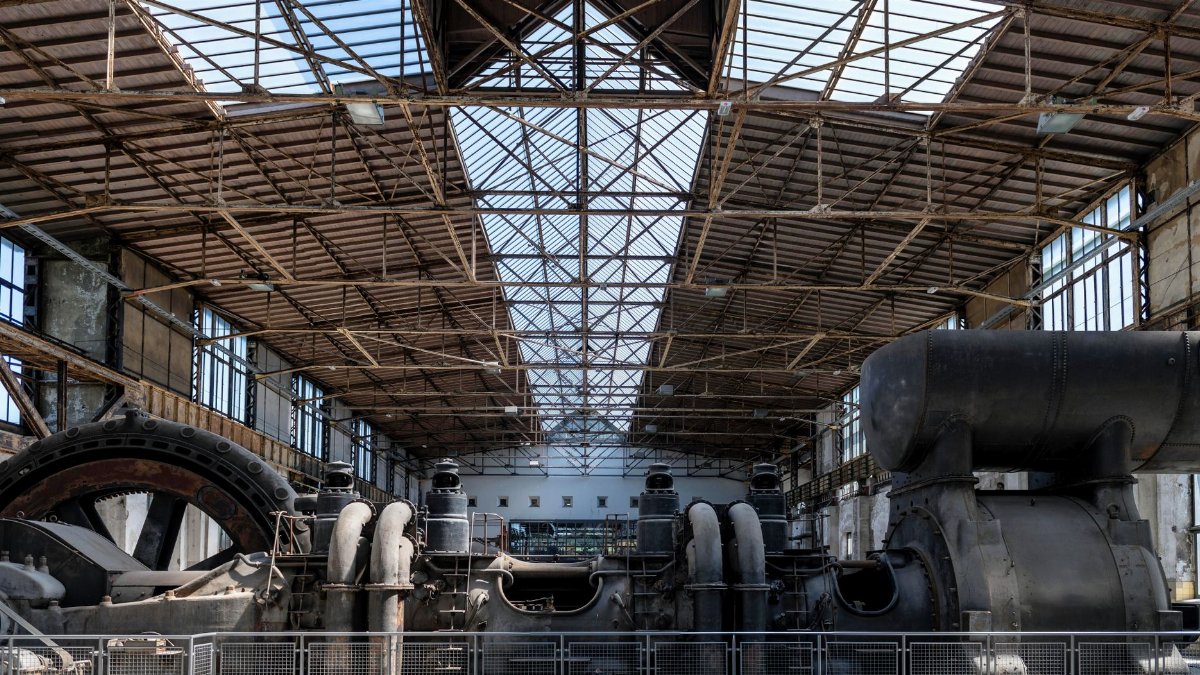
The mill opened decades ago as the largest employer in the region and helped shape the economy of Southwest Washington for generations. Workers produced pulp products that supplied markets across the country. Over time shifts in global trade and stricter regulations led to its closure. Abandoned buildings and storage tanks remained on the property. Local officials monitored the site for years but lacked funds for full scale intervention. The history of the location reveals both pride in past production and concern over what was left behind.
Details of the Chemical Leak
Recent inspections revealed leaks from several tanks that once held industrial solvents and other compounds. Rainwater carried some of these substances toward nearby waterways. Soil samples showed elevated levels of contaminants that could affect groundwater. The scale of the release prompted calls for immediate action from state environmental offices. Without prompt containment the materials could spread further into the ecosystem. Officials described the situation as serious yet manageable with proper federal support.
Role of the Environmental Protection Agency
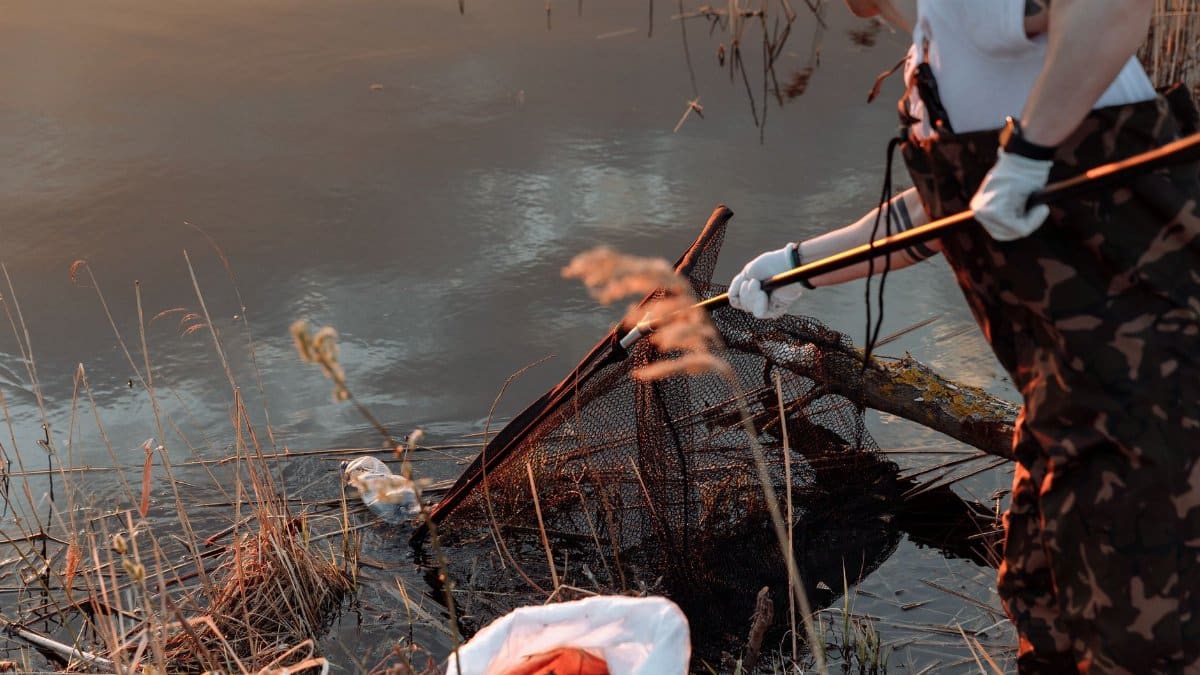
The EPA stepped in after state agencies requested assistance with the complex task of containment and removal. Agency teams brought specialized equipment and expertise to assess the full extent of the contamination. Their involvement ensures that the Cosmopolis mill cleanup follows federal standards for hazardous waste handling. Coordination with local partners allows for quicker permitting and access to additional funding sources. This level of oversight reduces the chance of incomplete remediation that could leave lingering problems for years.
Impact on Local Residents
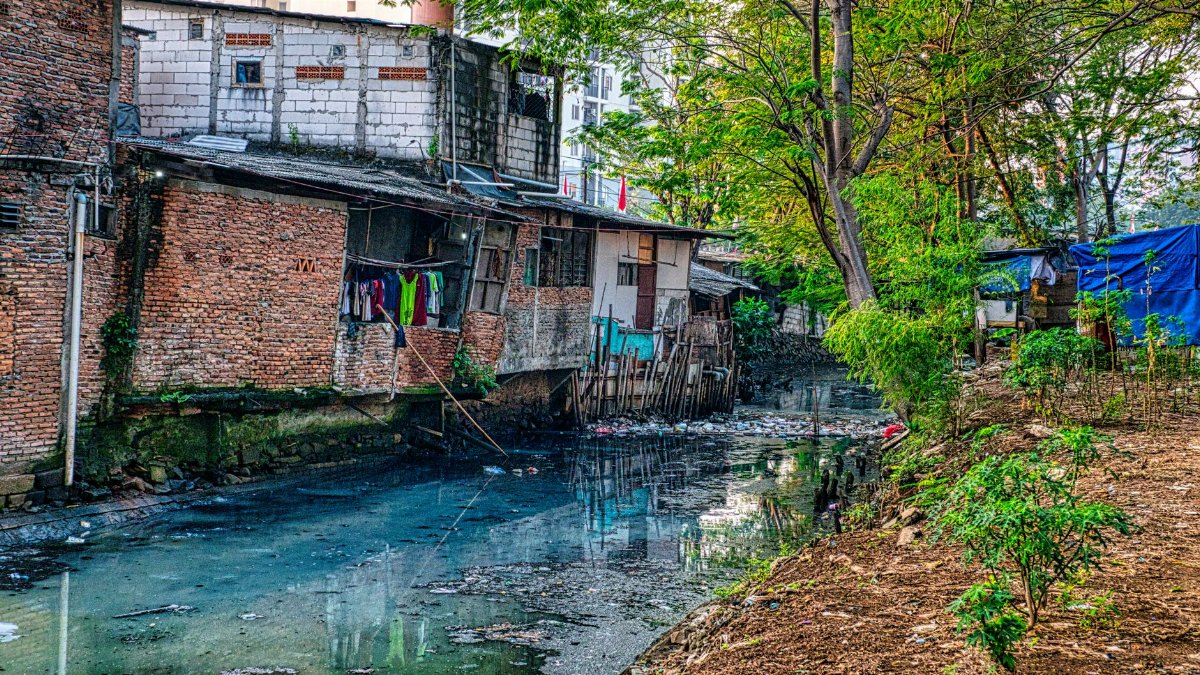
People living near the old mill have expressed worry about possible effects on drinking water and air quality. Some families recall working at the plant and now wonder about long term health implications. Community meetings have provided a forum for questions and updates from officials. Property values in the immediate area have come under pressure amid the uncertainty. Residents hope the current effort will restore confidence and protect the places they call home.
Economic History of the Area
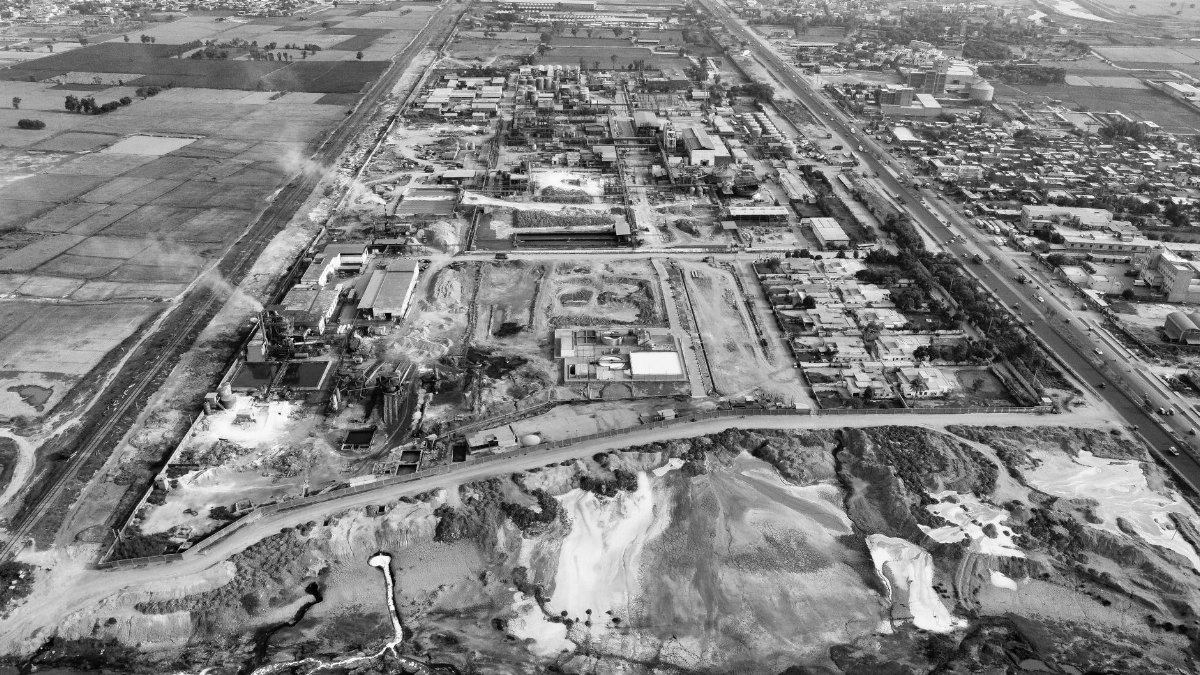
For much of the twentieth century the mill anchored the local economy and supported schools, shops, and services throughout Cosmopolis. When operations ended many workers sought jobs elsewhere and the tax base shrank. The empty site became a symbol of lost opportunity. Efforts to attract new industry have met with limited success partly due to the environmental liabilities attached to the property. A thorough Cosmopolis mill cleanup could open the door to redevelopment that brings fresh employment.
Environmental Risks Involved
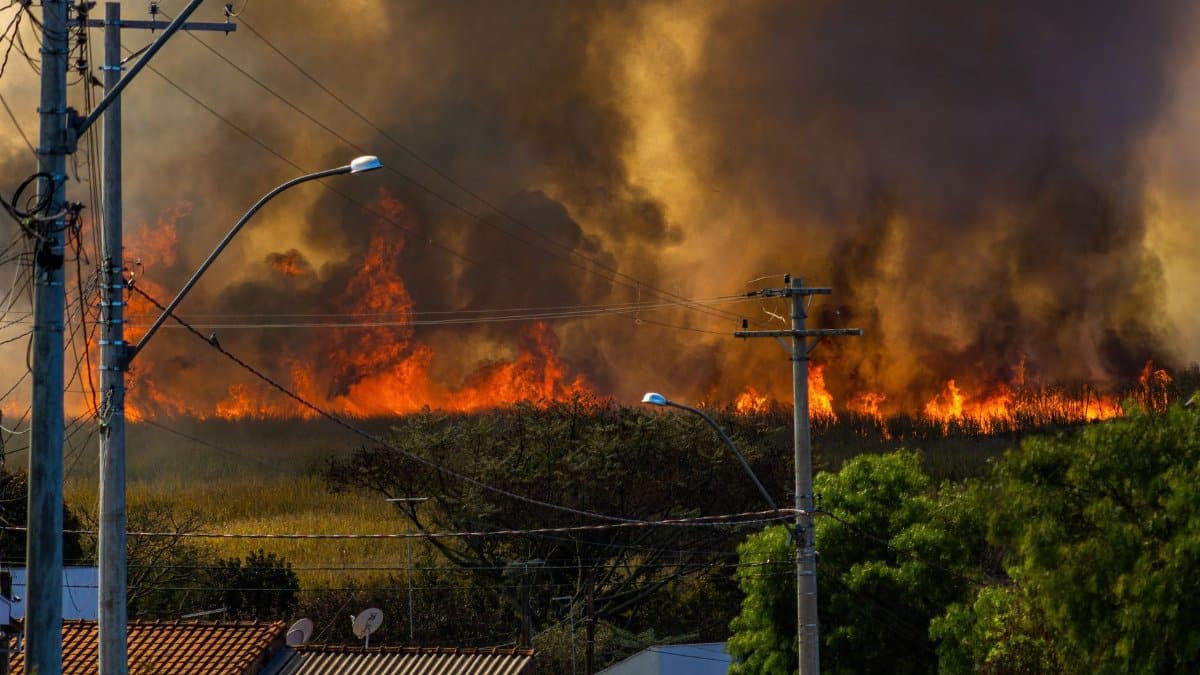
Contaminants from the leaks pose threats to fish and wildlife in adjacent streams and wetlands. Some compounds can persist in sediment for extended periods and enter the food chain. Experts note that prompt removal of source materials limits the spread. Monitoring programs will track changes in water quality over the coming seasons. The broader goal remains protection of the natural systems that support both recreation and the regional identity.
Cleanup Procedures Underway
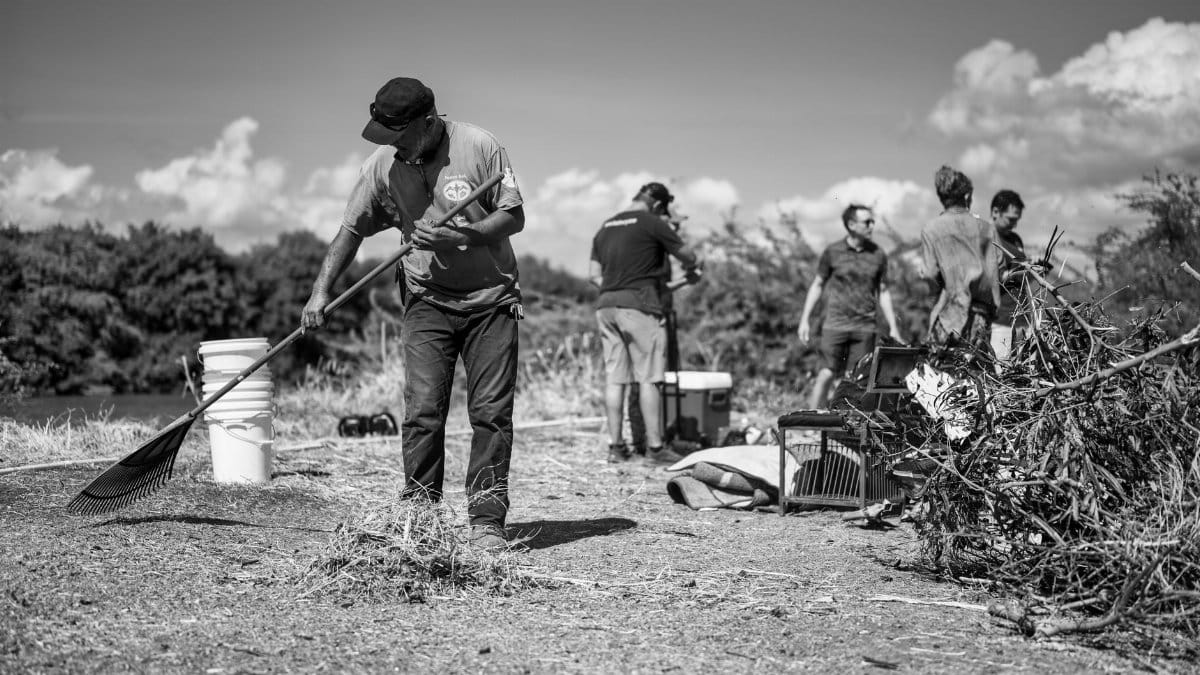
Initial steps include securing the leaking tanks and installing barriers to prevent further migration of chemicals. Crews are removing contaminated soil for off site disposal under controlled conditions. Water treatment systems will filter runoff before it leaves the property. The process requires careful documentation to meet regulatory requirements. Progress reports will keep the public informed as phases advance. Success depends on steady funding and cooperation among all parties involved.
Future Prospects for the Site
Once the Cosmopolis mill cleanup reaches completion the property may support new uses such as light industry or public green space. Planners emphasize the need for community input during any redevelopment discussions. Lessons from this episode could guide handling of similar sites across the country. A successful outcome would turn a liability into an asset and demonstrate that even long neglected industrial locations can be restored. The effort reflects a broader commitment to environmental stewardship in changing economic landscapes.