
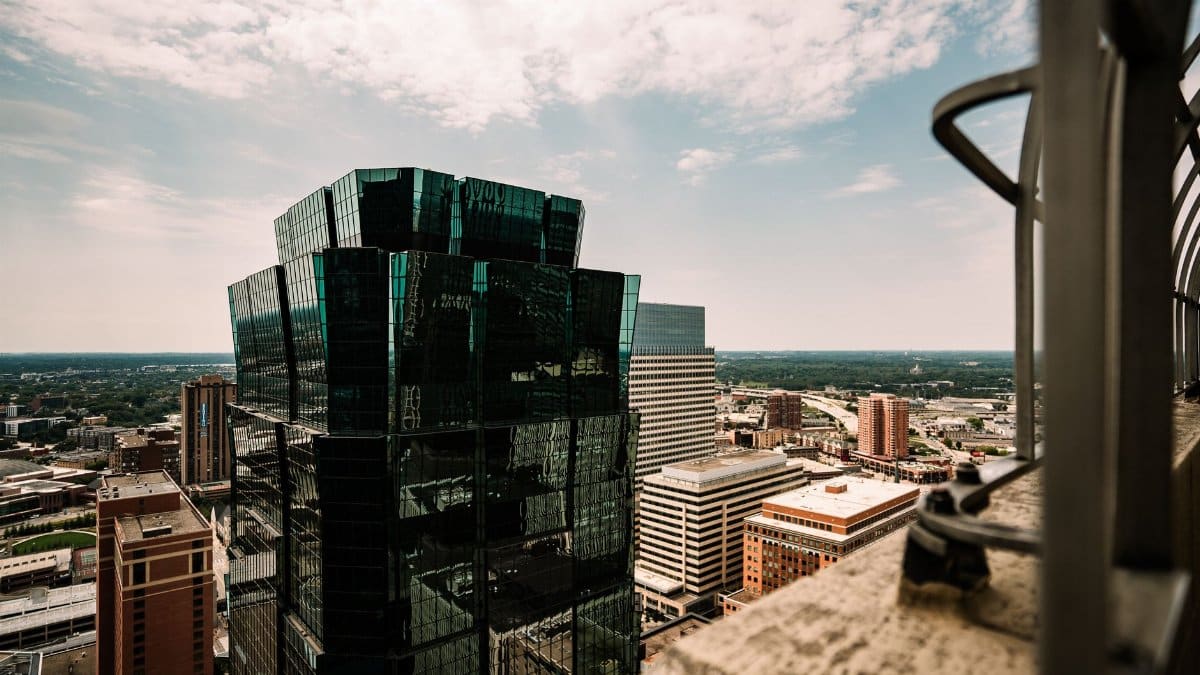
On a summer day in Minneapolis a teenager climbed into a grain elevator seeking adventure. What began as youthful curiosity ended in a serious fall that left the young person with critical injuries. City officials later revealed that prior inspections had uncovered problems with how the site was secured. Such occurrences underscore the importance of grain elevator safety in communities where these massive structures stand as both industrial assets and potential hazards. The case has prompted local leaders to review how similar facilities are monitored and protected nationwide.
Details of the Minneapolis Fall
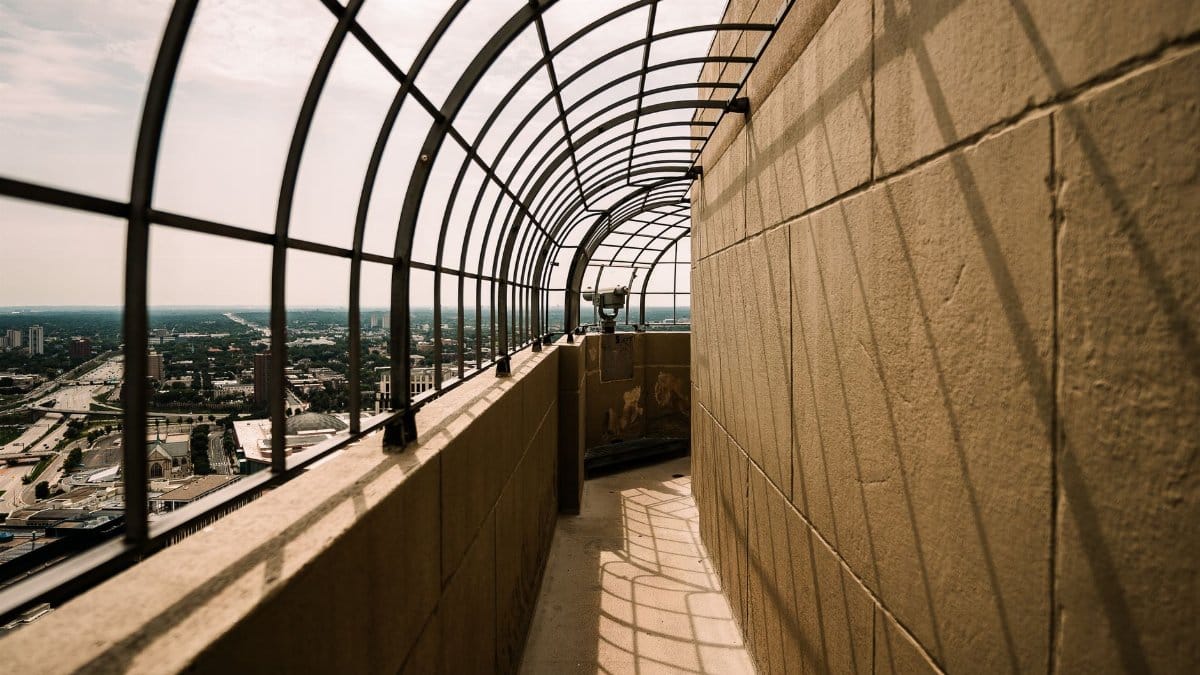
Reports indicate the teenager entered the structure through an unsecured opening. The fall caused severe harm and required immediate medical attention. Authorities noted the site had been checked earlier in the year yet gaps remained in barriers and access points. This situation illustrates how even known issues can lead to harm if not fully addressed.
Role of Routine Inspections
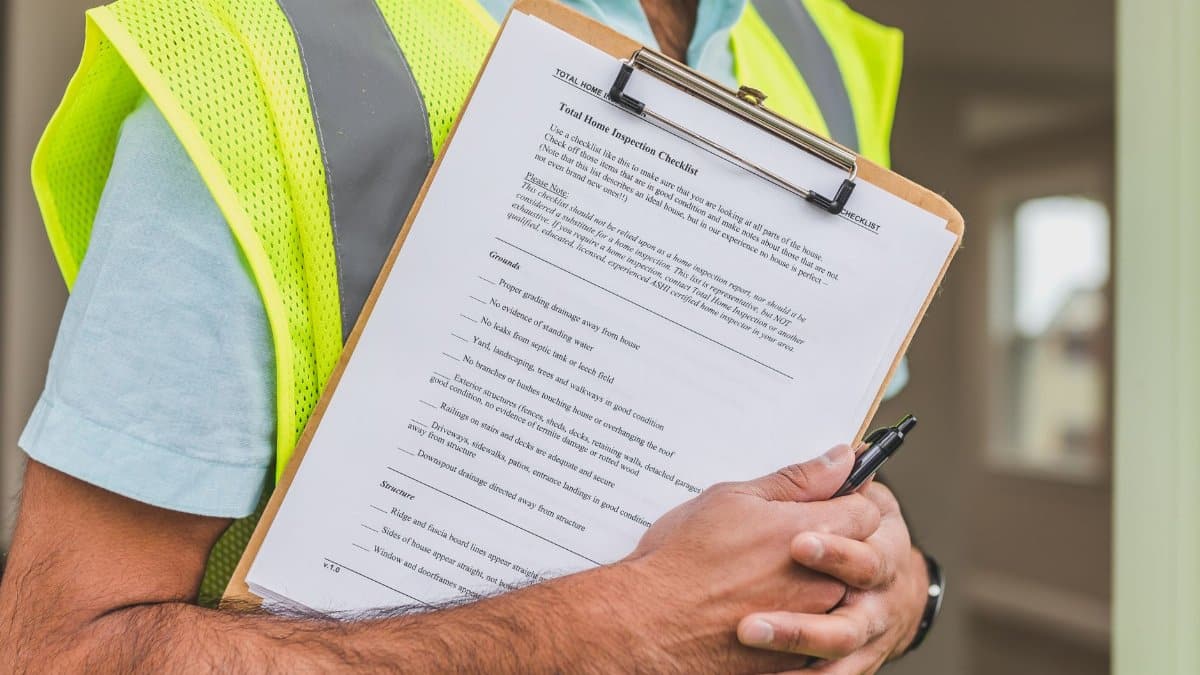
Regular checks by city staff are meant to identify weak points before trouble occurs. In this instance the reviews flagged concerns about locks and fencing but follow up actions fell short. Strengthening the inspection process could help ensure that identified problems receive prompt fixes rather than lingering as risks.
Common Hazards at Grain Sites
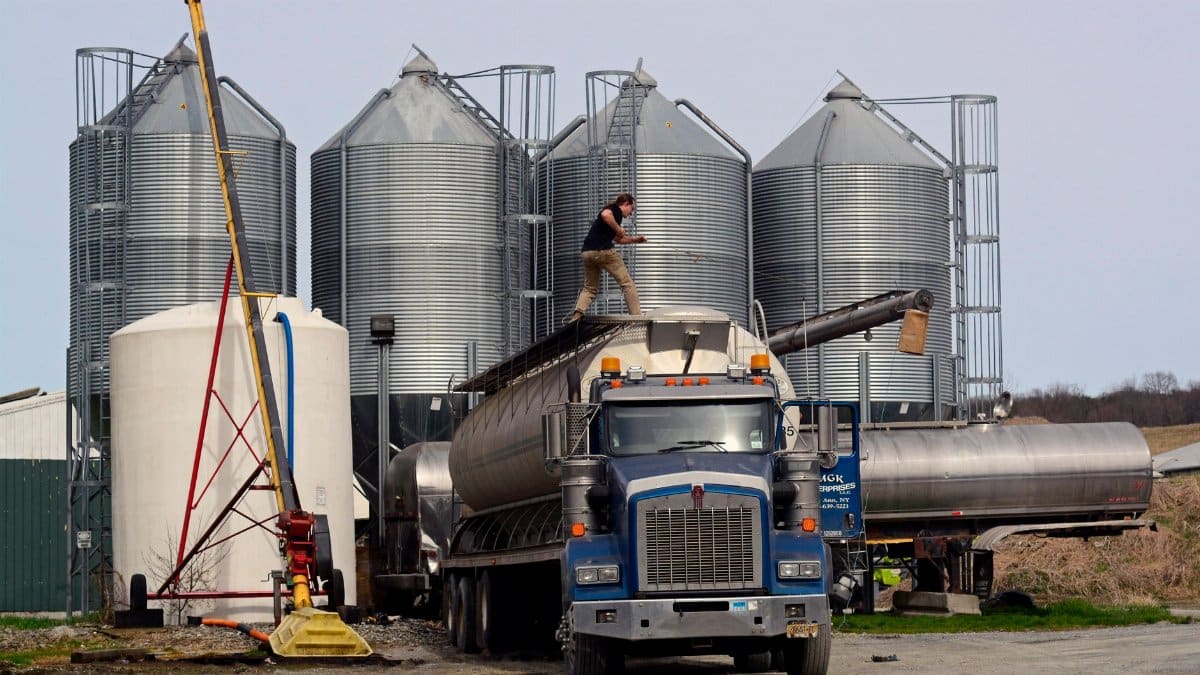
Grain elevators present unique dangers including unstable surfaces high ledges and limited escape routes. Dust accumulation adds fire risks while machinery can create additional threats. Understanding these elements helps explain why grain elevator safety demands constant vigilance from operators and overseers alike.
Impact on Local Communities

Events like the one in Minneapolis ripple through neighborhoods where families worry about nearby industrial sites. Young people may see these structures as playgrounds without grasping the consequences. Community outreach programs can teach residents about boundaries and encourage reporting of unsecured areas.
Regulatory Standards Across States
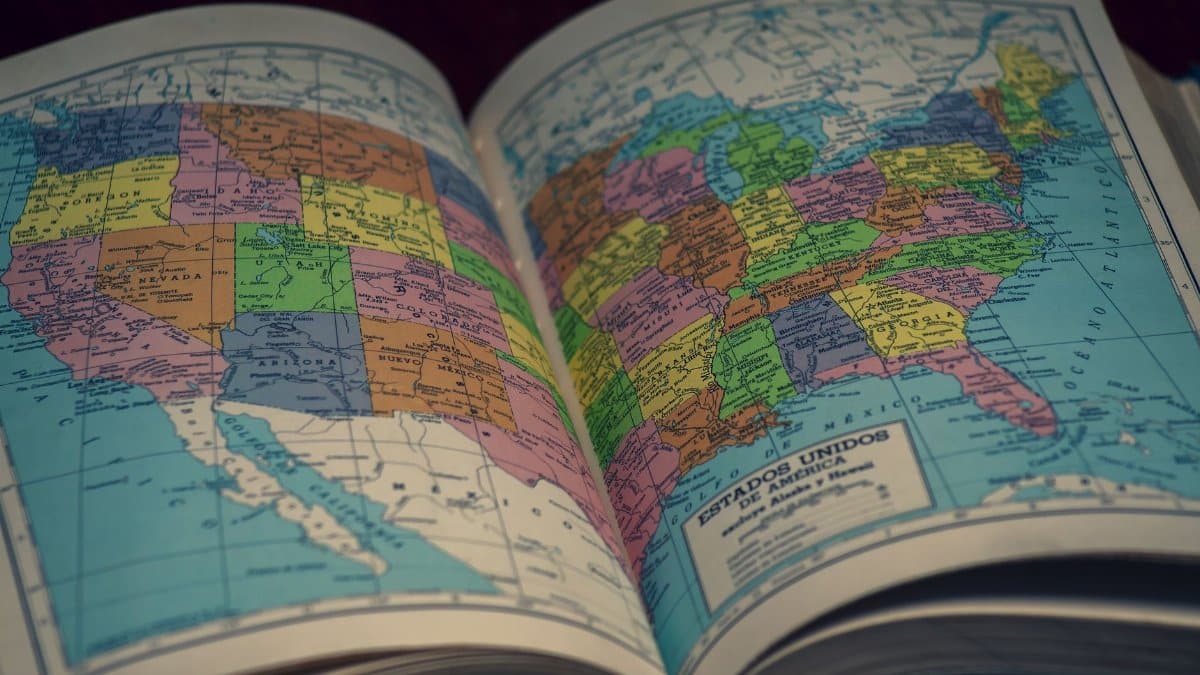
Federal guidelines set basic requirements for securing grain facilities yet enforcement varies by location. Some regions conduct frequent visits while others rely on self reporting by owners. Consistent application of rules would reduce the chance of oversights that allow access to unsafe zones.
Training for Workers and Guards
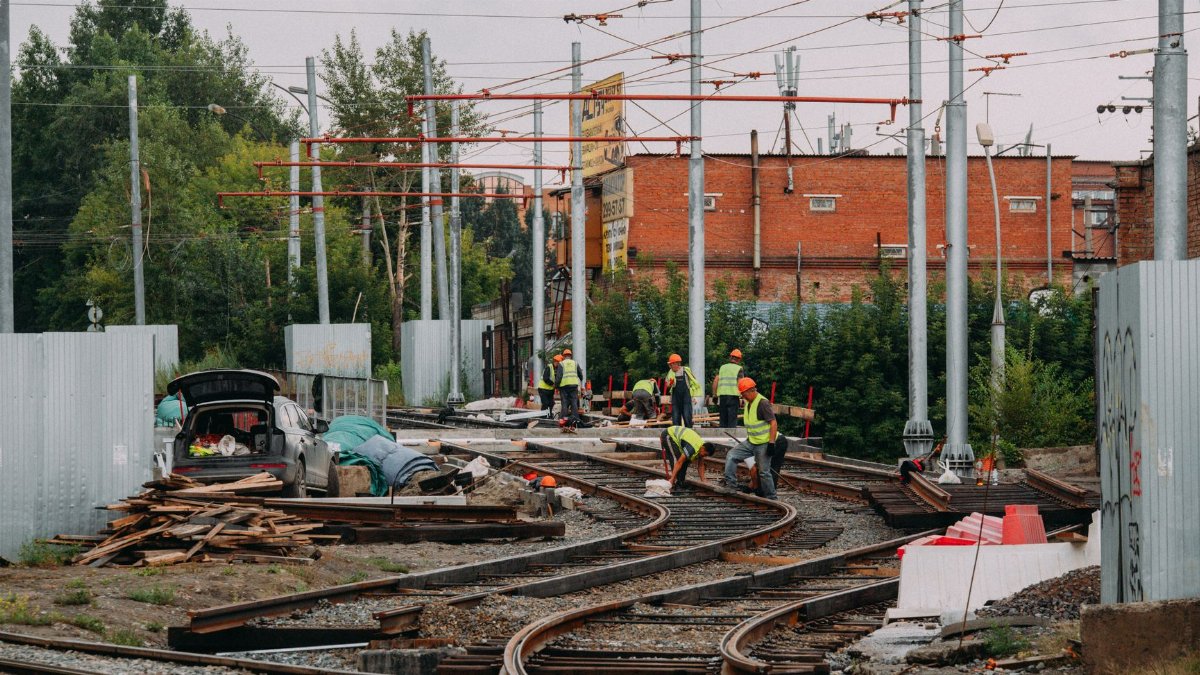
Staff at grain elevators benefit from instruction on spotting vulnerabilities and responding to intruders. Proper preparation includes drills for emergencies and clear protocols for locking down the property after hours. Enhanced preparation supports overall grain elevator safety by turning awareness into daily practice.
Technological Aids for Monitoring

Modern tools such as motion sensors and remote cameras can supplement human oversight at large sites. These systems alert personnel to unusual activity and create records for later review. Adoption of such aids has grown in recent years as costs decline and reliability improves.
Lessons from Past Incidents

Similar falls at other elevators have led to policy changes and better barrier designs. Reviewing those cases shows patterns in how access points are overlooked during busy seasons. Applying those lessons locally can prevent repeats of the Minneapolis event.