
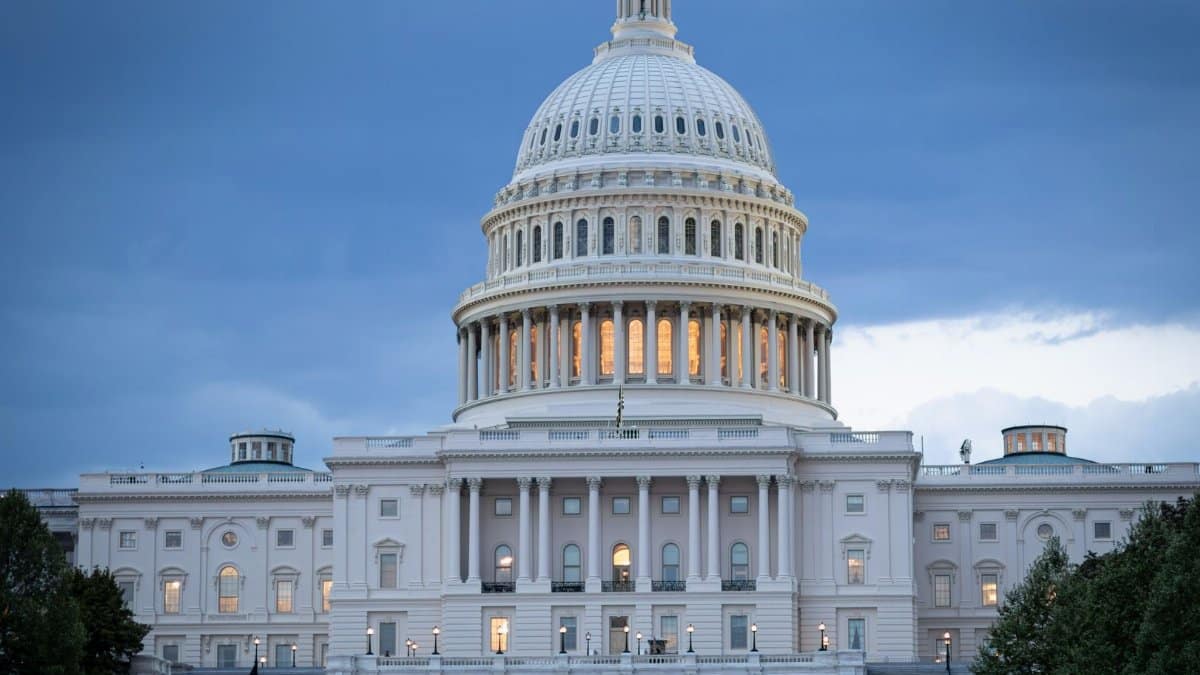
In a contest that caught many observers off guard last week, voters turned out in force to reshape the direction of Minnesota Democrats heading into the general election. The result highlighted a shift in priorities among party faithful, with Peggy Flanagan primary serving as the clearest signal yet that established figures can still face stiff challenges from within. Her margin of victory suggested deeper currents at work, from grassroots organizing to questions about representation in Washington. Observers noted how the outcome could ripple through other races this cycle and beyond.
Background on a rising political figure

Peggy Flanagan built her career through steady work in state government and community advocacy. Raised in northern Minnesota, she focused early on education access and tribal relations. Those efforts helped her secure a seat in the state house before moving to the lieutenant governor role. Supporters often point to her ability to connect across regions as a key asset in statewide contests.
How the race took shape

The contest against Representative Angie Craig drew attention for its intensity. Craig entered with strong fundraising and national name recognition. Yet Flanagan emphasized local concerns and built alliances in rural counties that proved decisive. Turnout in key precincts exceeded expectations, revealing organized efforts that had been underway for months.
Voter priorities that decided the outcome

Polls had suggested a closer finish, but issues like healthcare costs and economic security dominated conversations at doorsteps. Flanagan positioned herself as attuned to working families, drawing contrasts on specific legislative records. Craig attempted to highlight federal experience, yet the message did not resonate as widely in suburban and outstate areas.
Implications for the general election
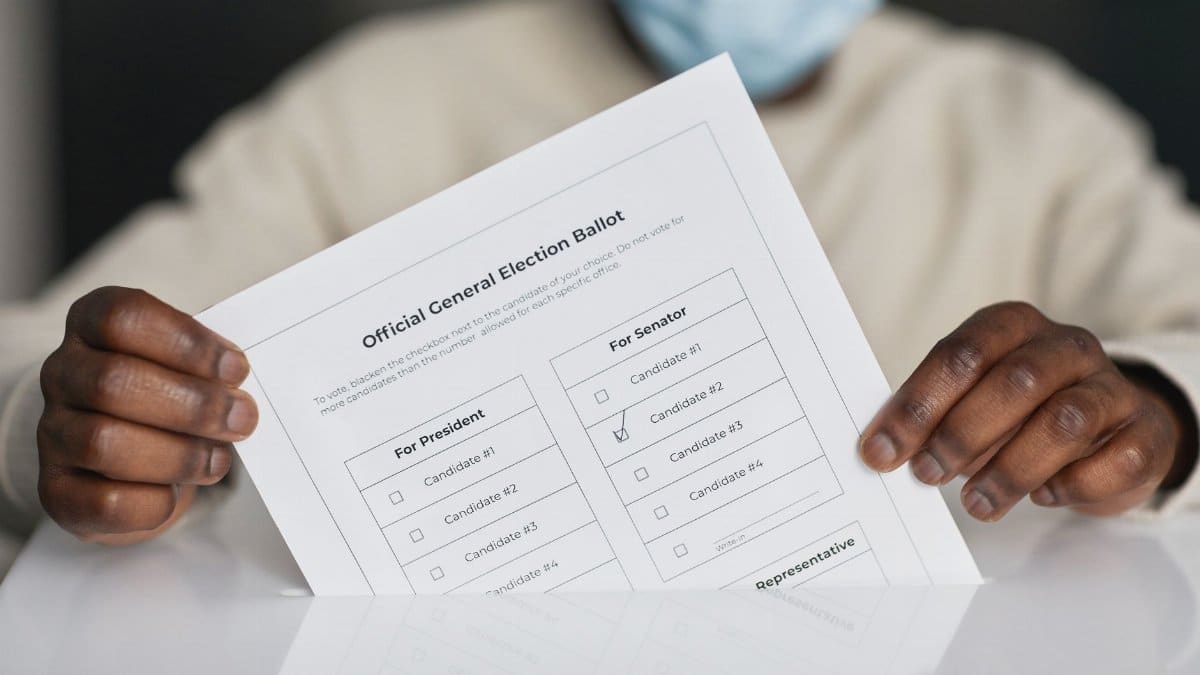
With Michele Tafoya now the likely Republican nominee, the general election promises a sharp clash over values and experience. Flanagan enters with momentum from the primary win and a unified party apparatus behind her. Tafoya brings media presence and outsider appeal that could attract independent voters in a state known for close margins.
Campaign style and personal approach

Throughout the effort Flanagan maintained a measured tone, avoiding personal attacks while stressing policy substance. This approach resonated in focus groups where voters expressed fatigue with negative messaging. Volunteers described a campaign that felt personal and grounded rather than driven by consultants.
Role of endorsements and party machinery

Labor groups and progressive organizations lined up early behind Flanagan. Their resources amplified outreach in urban cores and college towns. Meanwhile some establishment voices remained neutral until late, a sign of shifting dynamics inside the Democratic Farmer Labor coalition.
Looking ahead to policy battles

If successful in November, Flanagan would bring priorities around affordable housing and environmental protection to the Senate. Her record in state office shows consistent support for expanded access to services in underserved communities. Those positions will face tests in a divided Congress.
Reflections on changing political winds

The primary result invites broader questions about how parties adapt to internal pressures. Minnesota has long balanced moderate and progressive strains, yet recent contests show the latter gaining ground in nomination fights. Flanagan now carries that energy into a wider arena.