
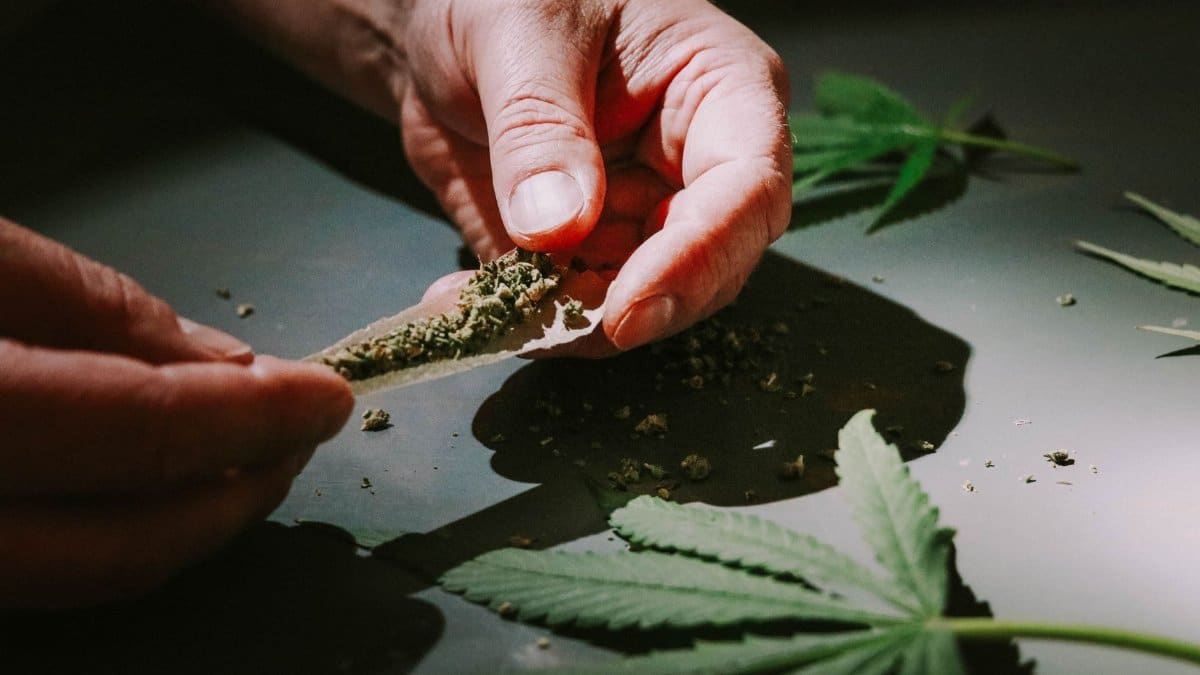
Houston residents face a pivotal choice this fall as they prepare to vote on measures that could reshape local law enforcement practices. After a successful petition effort the ballot will include proposals to reduce focus on minor marijuana offenses and to eliminate certain aggressive police tactics. The discussion around marijuana no knock warrants highlights tensions between public safety and individual rights in one of the nations largest cities. Supporters argue these changes would free resources for more serious crimes while critics worry about impacts on community order.
Origins of the Citizen Petition Effort

A group of local activists gathered enough signatures to place the items on the November ballot. Their work focused on shifting how police handle small scale drug cases and on restricting warrants that allow entry without prior notice. This approach mirrors efforts in other cities seeking to adjust enforcement priorities amid changing public attitudes.
Details of the Proposed Enforcement Shift
One measure would direct officers to give lower priority to possession of small amounts of marijuana. The goal is to redirect attention toward violent offenses and organized distribution networks. Officials would still address impaired driving and sales near schools but with less emphasis on individual users.
Arguments for Restricting No Knock Warrants
Backers of the second proposal point to past incidents where such warrants led to unintended confrontations. They suggest requiring officers to announce their presence in most cases could reduce risks for residents and law enforcement alike. The language ties directly to concerns over marijuana no knock warrants in routine investigations.
Opposition Views from Law Enforcement Leaders
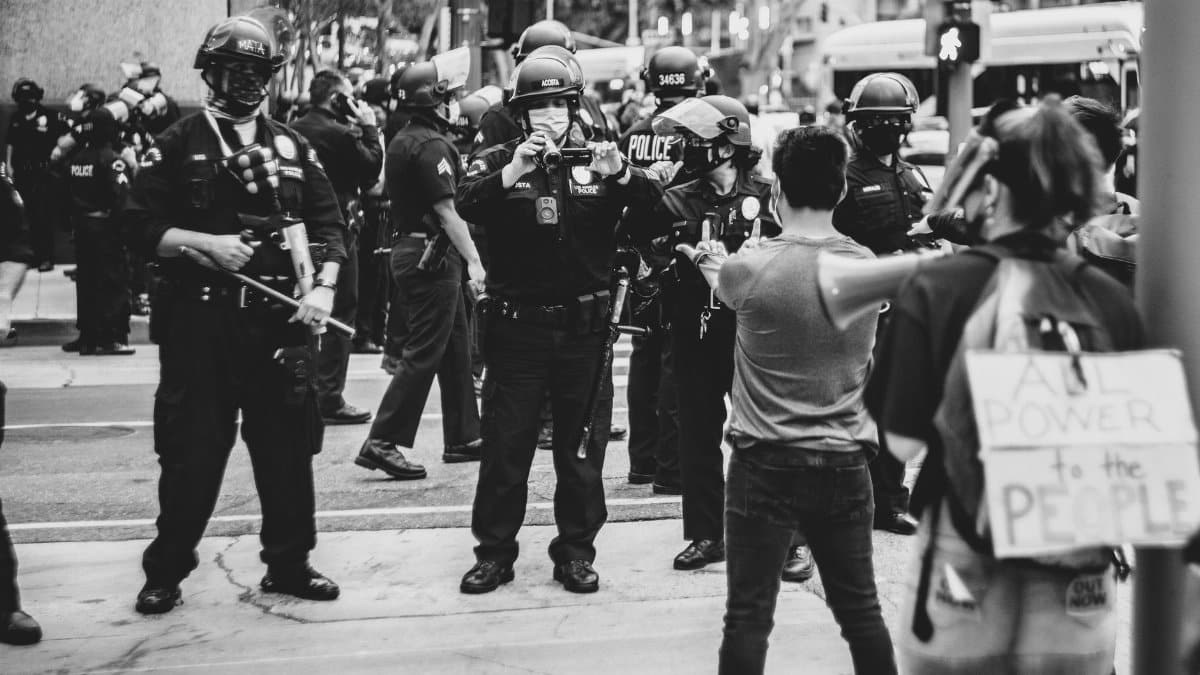
Police representatives have expressed reservations about limiting tactical options. They note that certain operations require surprise to preserve evidence and protect officers from armed suspects. Department leaders stress that current policies already include oversight and training to minimize harm.
Historical Context of Similar Reforms
Other Texas communities have considered adjustments to drug enforcement in recent years. Houston stands out because of its size and the combined nature of the two proposals on one ballot. Past elections show that criminal justice questions often draw strong turnout from both sides of the debate.
Potential Effects on Daily Police Work
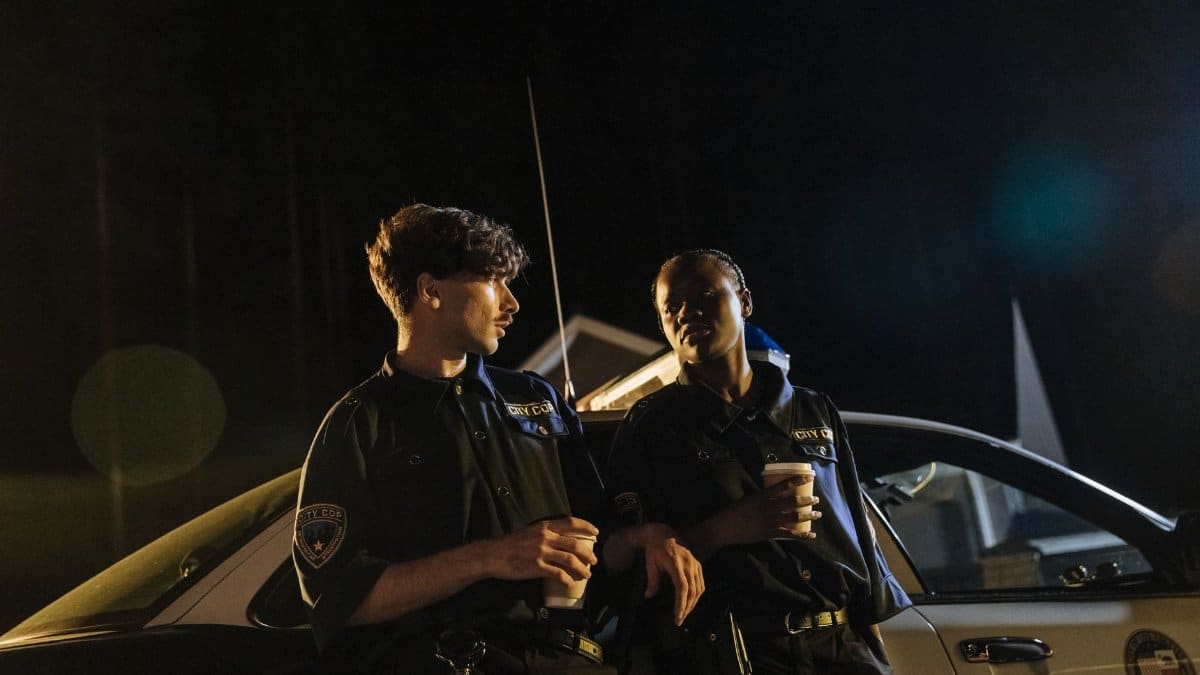
If approved the changes would require new training protocols and revised departmental guidelines. Supervisors would track compliance while still pursuing cases involving larger quantities or public safety threats. Observers expect an initial period of adjustment as officers adapt to the updated framework.
Public Opinion Trends in Urban Areas

Surveys indicate growing support for reduced penalties on personal marijuana use across many metropolitan regions. At the same time residents continue to voice worries about property crime and street level violence. The Houston vote will test how these attitudes translate into specific policy choices.
Role of Advocacy Organizations in the Campaign
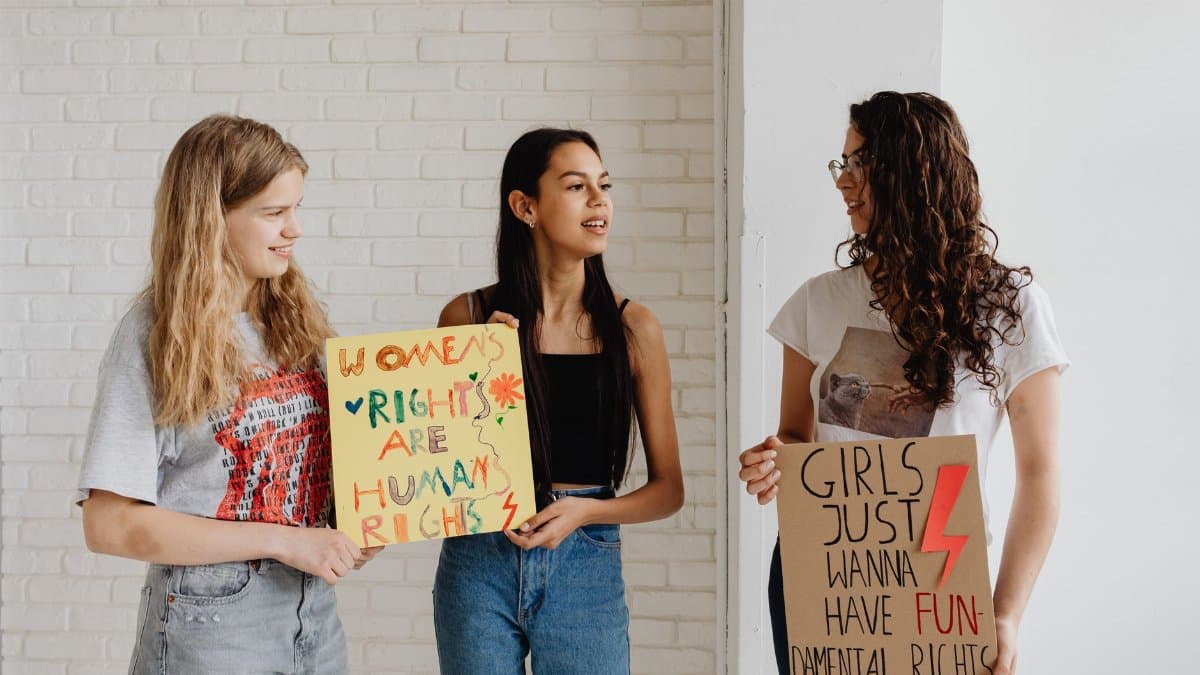
National groups focused on justice reform have offered guidance to local petitioners. Their involvement includes messaging support and data on enforcement patterns in comparable cities. Houston based organizations have also mobilized volunteers to explain the measures to neighborhood associations and civic clubs.
Next Steps After the November Vote

Should the proposals pass city council would work with the police department on implementation plans. Legal reviews would clarify how the new rules interact with state statutes. If rejected the issues could return in future election cycles depending on continued public interest.
Broader Implications for Criminal Justice Policy
The outcome in Houston could influence conversations in other large counties facing similar petitions. Lawmakers at the state level may monitor results when considering their own adjustments to warrant procedures or drug statutes. The episode underscores how local decisions can contribute to national patterns over time.