
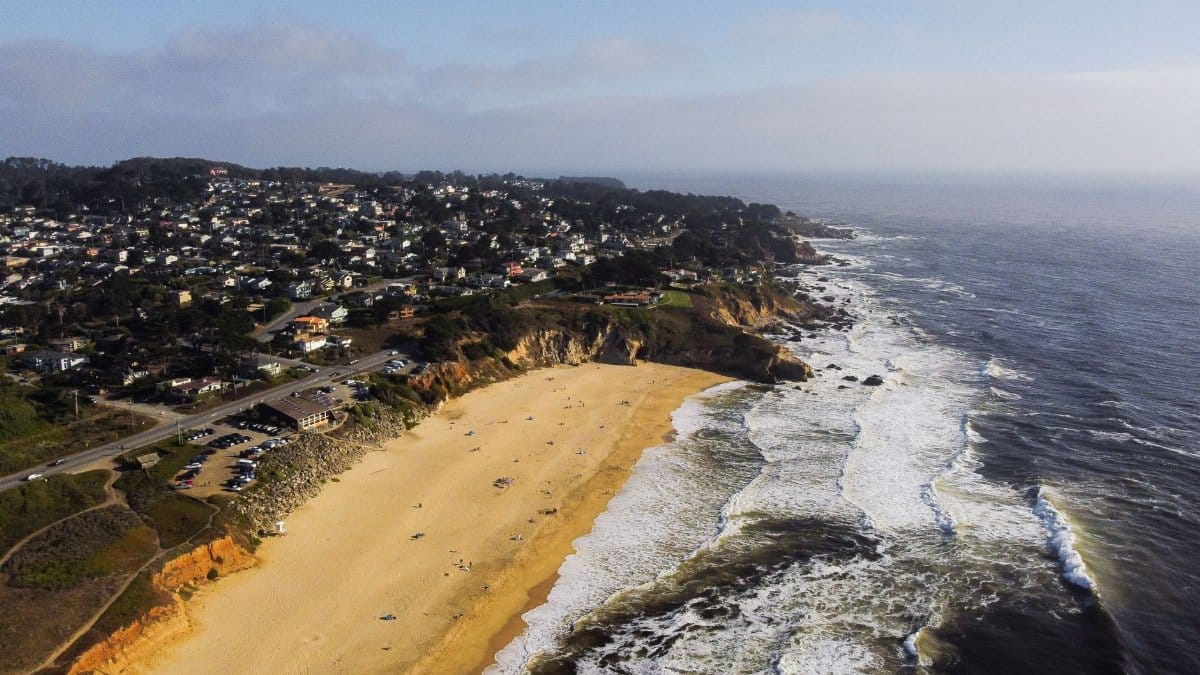
A stretch of coastline once held privately now opens its gates to visitors seeking quiet shores and open space near Half Moon Bay. The creation of Tunitas Creek Beach park marks a notable addition to the regions public lands after years of limited access.
From private estate to shared shoreline
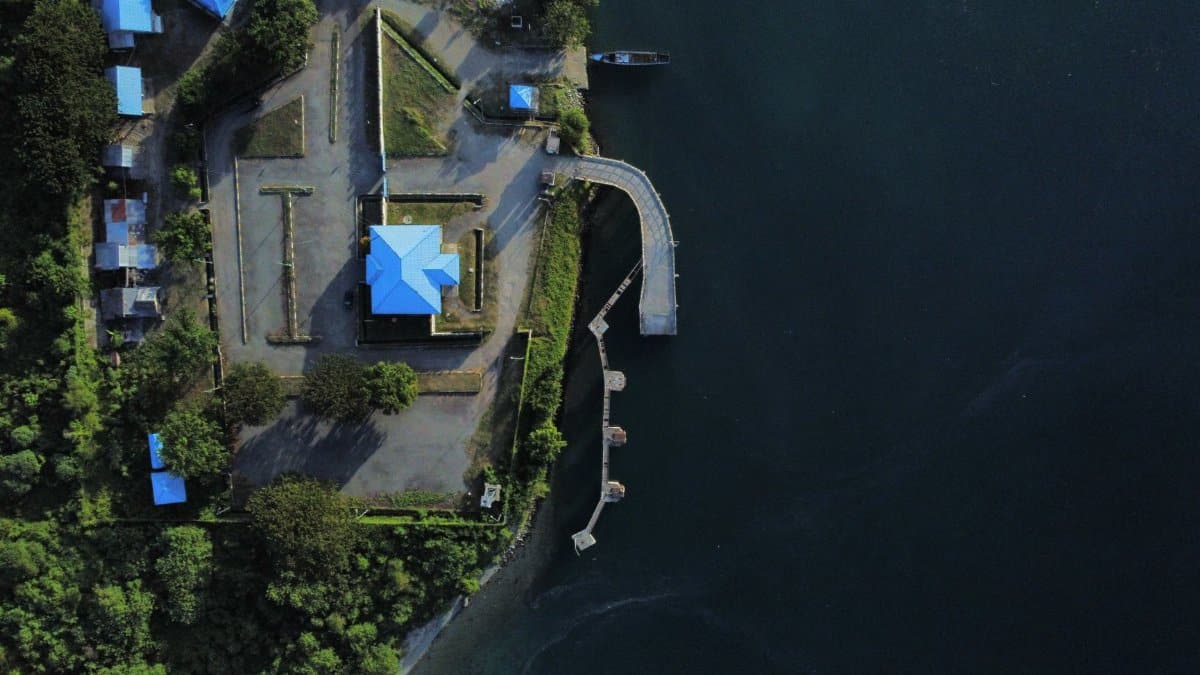
The land changed hands through careful negotiation that balanced preservation goals with public needs. Former ownership by a well known musician added layers of local lore to the property. Officials worked to ensure the transition respected both natural features and community interests in the area.
Tracing the path to public access
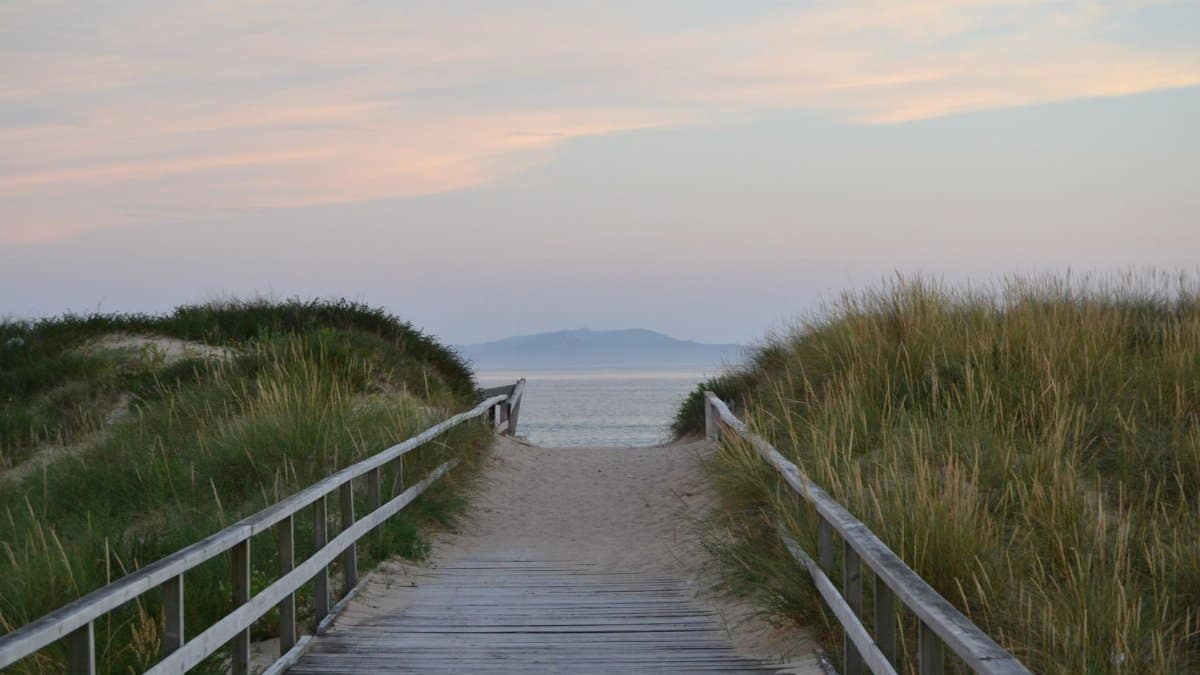
Planning efforts spanned multiple agencies and local groups focused on coastal protection. Permits required attention to erosion control and habitat safeguards along the bluff edges. The process highlighted ongoing tensions between development pressures and conservation priorities in coastal California.
Walking the sandy expanse
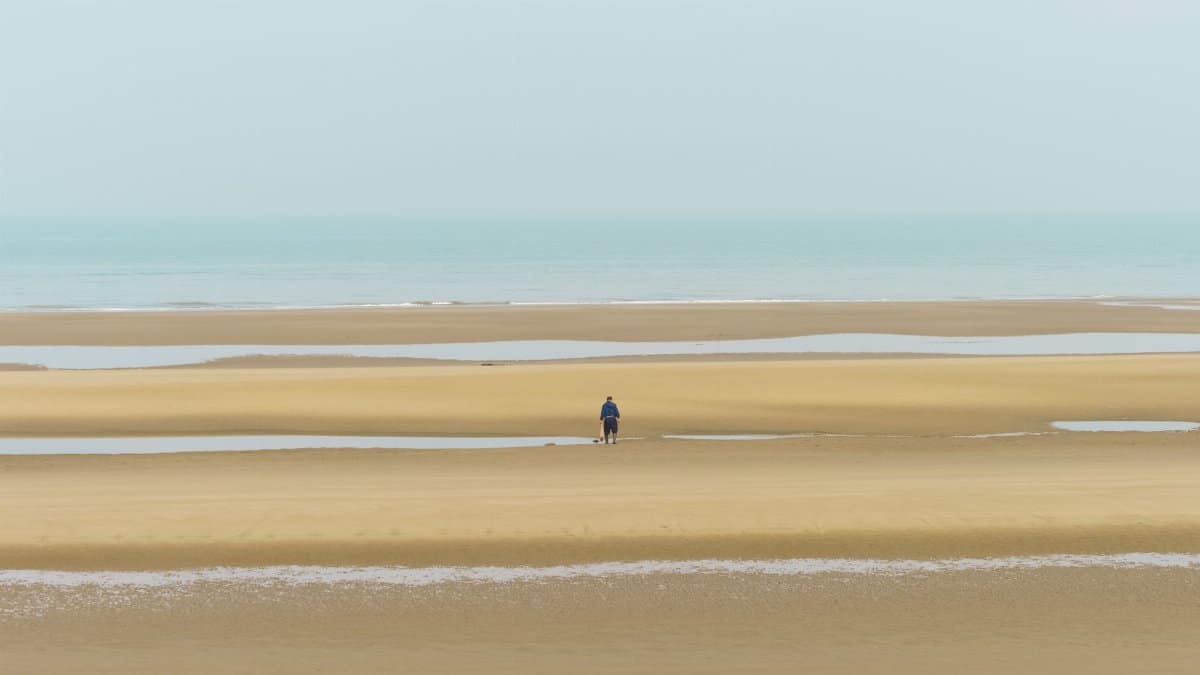
Visitors encounter roughly a mile of beach suitable for strolling or quiet reflection. Waves roll in from the Pacific with a steady rhythm that invites contemplation. Driftwood and occasional shells mark the tideline while seabirds patrol overhead in search of food.
Wildlife and habitat considerations

The park supports a range of species adapted to the coastal environment including shorebirds and small mammals. Restoration work targets invasive plants that had spread during private ownership. Monitoring programs track changes in vegetation and animal populations over time.
Facilities designed for modest use

Parking areas and basic restrooms accommodate day visitors without overwhelming the setting. Trails connect the upper bluff sections to the beach below through graded paths. Signage provides guidance on safety and environmental respect for all who arrive.
Seasonal rhythms along the coast
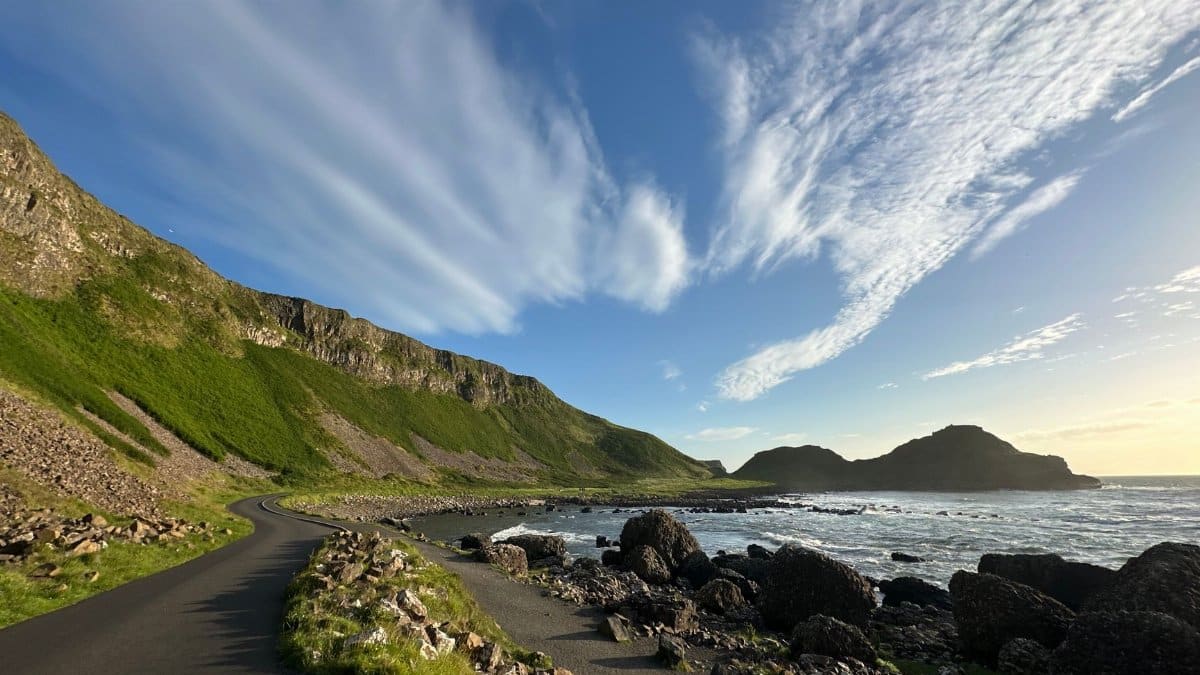
Summer months bring warmer days and clearer skies that draw families and hikers alike. Winter storms reshape the sand and remind observers of the dynamic forces at work. Each season alters the experience in ways that reward repeat visits.
Connections to nearby communities
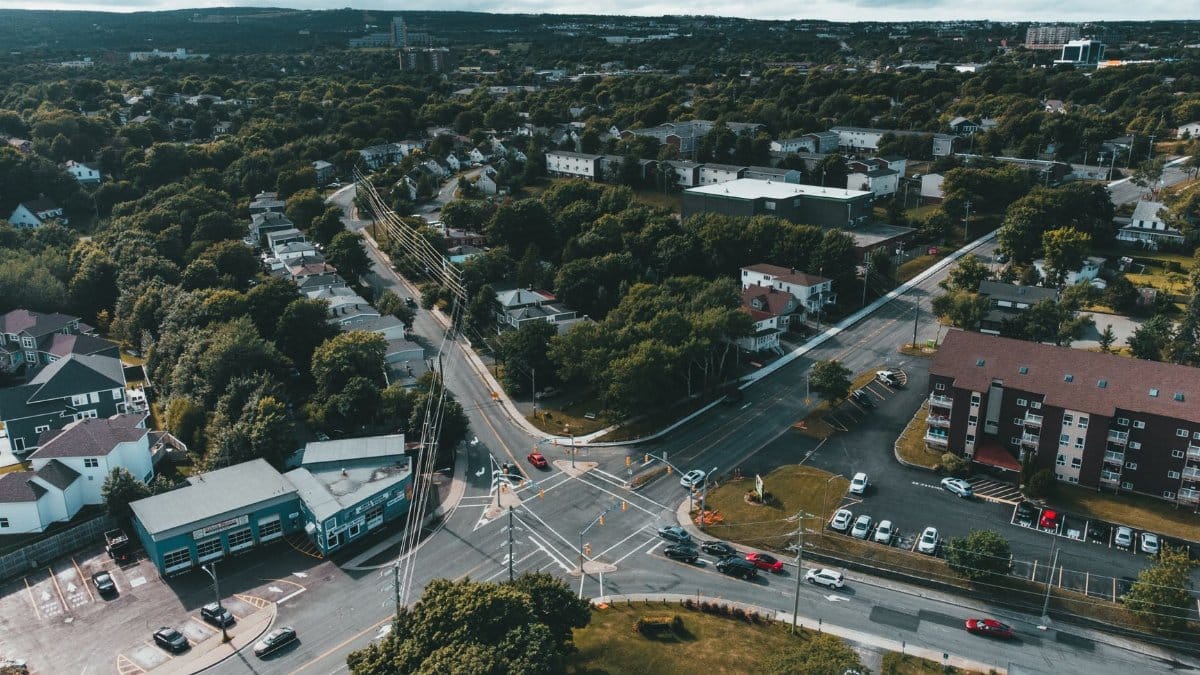
Residents from Half Moon Bay and surrounding towns now have easier entry to this stretch of coast. Local businesses may see modest benefits from increased foot traffic on weekends. The park integrates into broader networks of trails and open spaces in the county.
Reflections on land stewardship
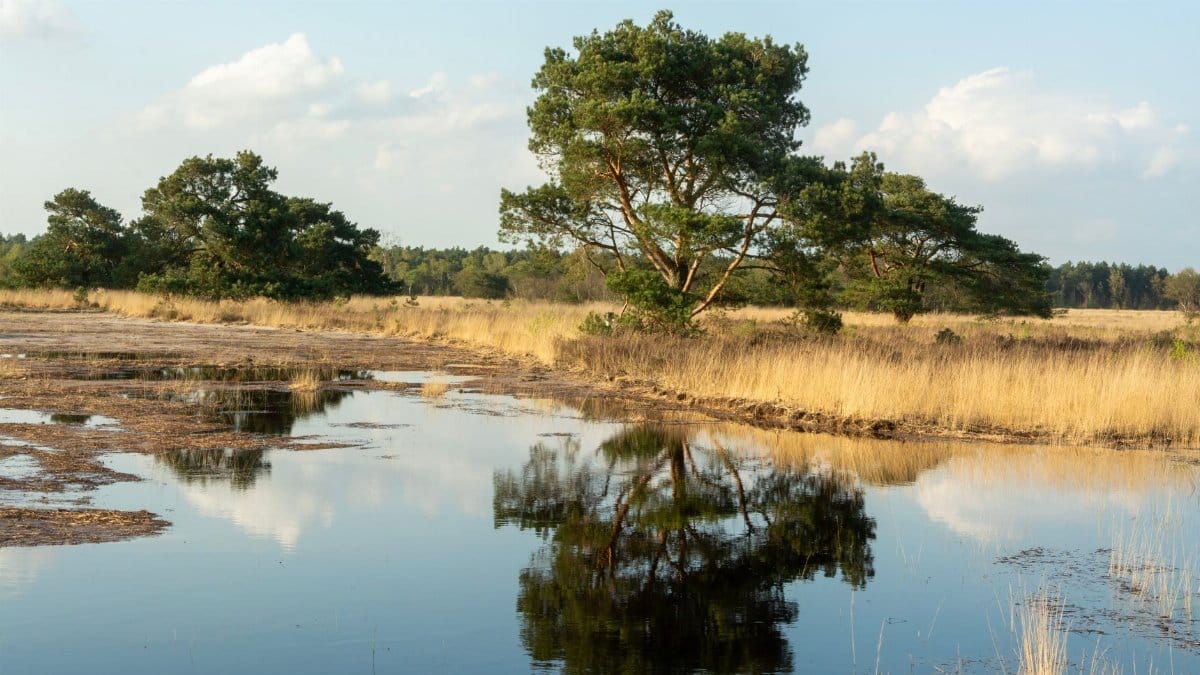
Public ownership of such properties raises questions about long term maintenance and funding sources. Community input shaped many decisions during the planning phase. The outcome reflects a preference for accessible nature over exclusive use.