

As summer unfolds across the Midwest, people often look to the skies and their devices for guidance on daily plans. The latest projections indicate a shift toward more comfortable conditions in the coming weeks, with Twin Cities weather expected to settle into a gentler pattern rather than the intense heat sometimes associated with peak season. Communities prepare for outdoor events and family gatherings while keeping an eye on these evolving conditions that influence everything from commuting routes to local agriculture.
Regional Climate Context
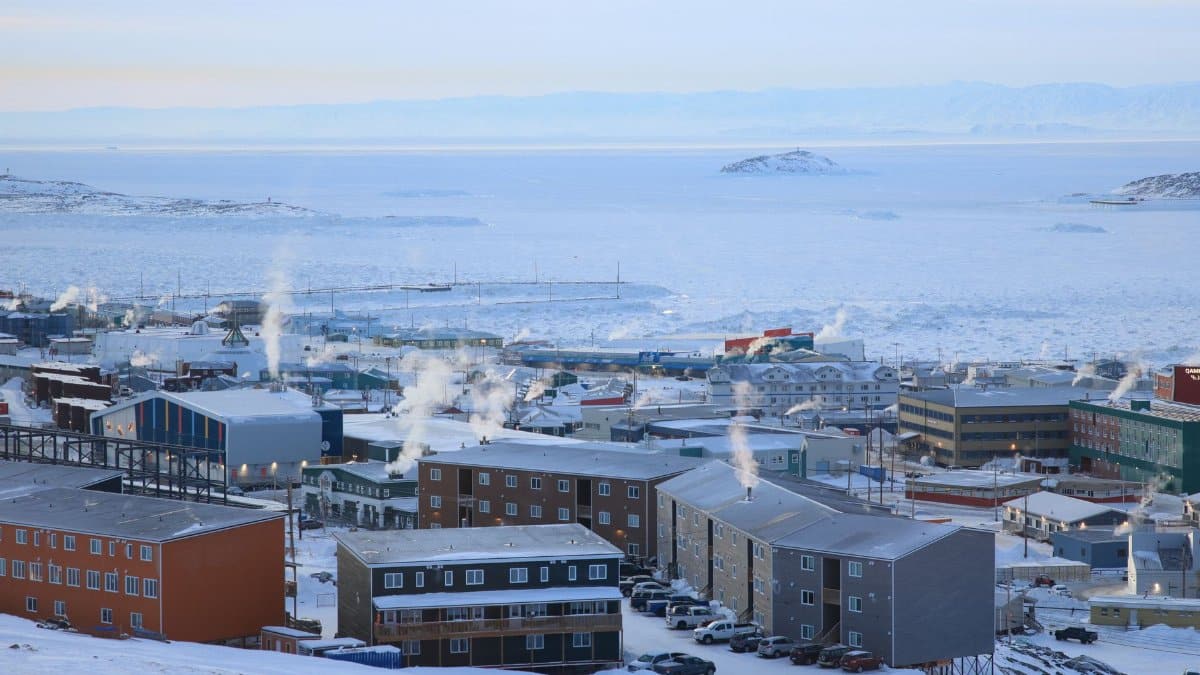
The broader area experiences typical seasonal transitions that shape daily life for residents and visitors alike. Historical records show variability in summer months, yet recent models point to moderation ahead. Observers note how such patterns affect everything from energy use to recreation choices in parks and lakeshores.
Forecast Details for Mid August

Projections from meteorological sources highlight highs potentially reaching the seventies later in the week. This represents a departure from earlier expectations of sustained warmth. Wind patterns and humidity levels are also anticipated to remain moderate, creating conditions suitable for extended time outdoors without excessive strain.
Impacts on Daily Routines

Many individuals adjust their schedules based on these updates, whether planning commutes or leisure activities. Schools and businesses review similar data to ensure smooth operations. The milder outlook could reduce reliance on air conditioning systems, offering a small reprieve on utility costs during this period.
Agricultural Considerations
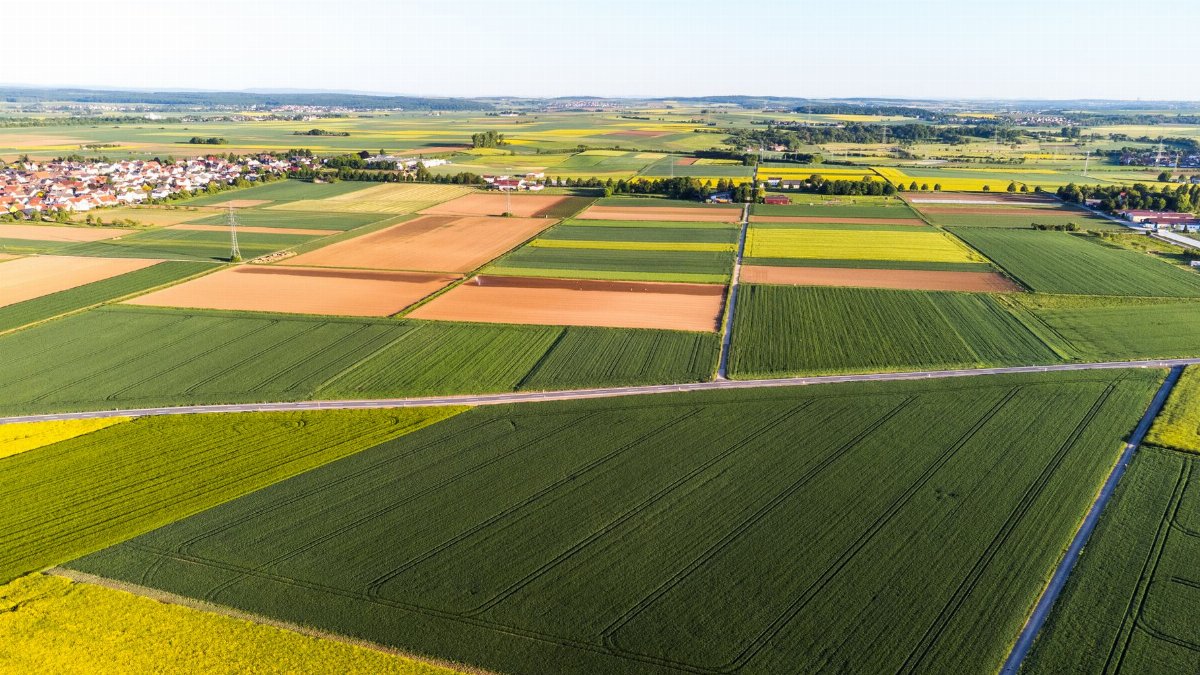
Farmers monitor developments closely since temperature swings influence crop development and harvest timing. With less extreme heat projected, there may be benefits for certain plants sensitive to stress. Soil moisture retention could also improve under these steadier conditions, supporting overall yields in surrounding counties.
Recreational Opportunities

Parks and trails stand to see increased foot traffic as people take advantage of pleasant temperatures. Events such as festivals or sports matches gain from the favorable environment, encouraging broader participation. Families might extend picnics or evening walks without concern for overheating.
Energy and Infrastructure Effects
Utility providers prepare for adjusted demand as cooling needs ease. This shift can lead to more stable grid performance across the metro area. Road crews and transit operators similarly benefit from reduced risks associated with extreme conditions.
Longer Term Patterns

Analysts review how this milder phase fits into yearly cycles and potential climate influences. Data from past seasons provides context for understanding these changes. Continued observation helps refine future expectations for the region.
Community Preparedness Tips
Local officials recommend staying informed through reliable channels and having flexible plans. Simple measures like light clothing and hydration remain useful even in gentler weather. Neighborhood groups often share updates to support collective awareness during such transitions.