
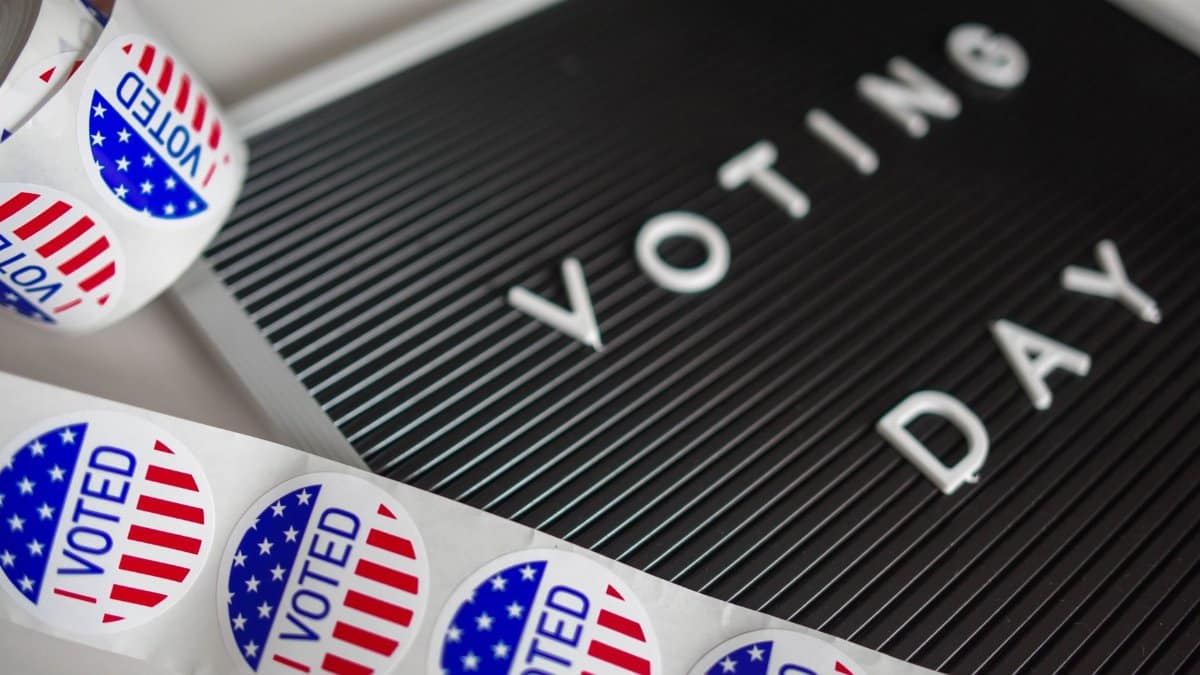
A quiet morning in a small Washington town saw residents gathering at polling stations with a sense of purpose. Their actions echoed ongoing debates about access to the ballot box. The voting rights editorial published in a major regional newspaper on August 12 2026 urged renewed attention to these matters amid various federal and judicial developments. Observers noted how such pieces can shape conversations far beyond local boundaries drawing in voices from across the political spectrum who share concerns over fair participation in democracy.
The Influence of Regional Publications on National Conversations

Regional outlets often set tones for wider discussions through careful analysis of local events that mirror larger national patterns. In this case the Seattle Times piece examined recent court rulings and agency decisions that affect how citizens register and cast ballots. Readers across the country found relevance in its measured tone which avoided partisan extremes while calling for vigilance. Such writings encourage lawmakers to reconsider policies that might unintentionally limit turnout among certain groups including the elderly and those in rural areas.
Ethical Dimensions of Electoral Participation

Democracy carries moral weight as it reflects shared values of equality and justice. When barriers arise whether through administrative hurdles or legal shifts questions emerge about collective responsibility to uphold inclusive systems. Faith communities and civic groups have long viewed voting as an expression of care for neighbors and future generations. This perspective adds depth to debates sparked by the voting rights editorial emphasizing not just legal compliance but a deeper commitment to fairness.
Impacts of Federal Policies on State Level Practices

National directives frequently intersect with state procedures creating varied experiences for voters depending on location. Recent changes in oversight and funding have prompted reviews in several capitals. Analysts point out that clear communication from authorities helps prevent confusion on election day. The voting rights editorial stressed the need for consistent standards that build public confidence without favoring one side over another.
Judicial Decisions Shaping Access Pathways

Courts play a central role in interpreting laws that govern registration deadlines identification requirements and mail in options. Rulings from higher benches can ripple outward affecting millions. Legal experts recommend ongoing education for election officials to adapt smoothly. Coverage like the voting rights editorial helps translate complex opinions into accessible language for everyday readers seeking to understand their options.
Community Responses and Grassroots Initiatives
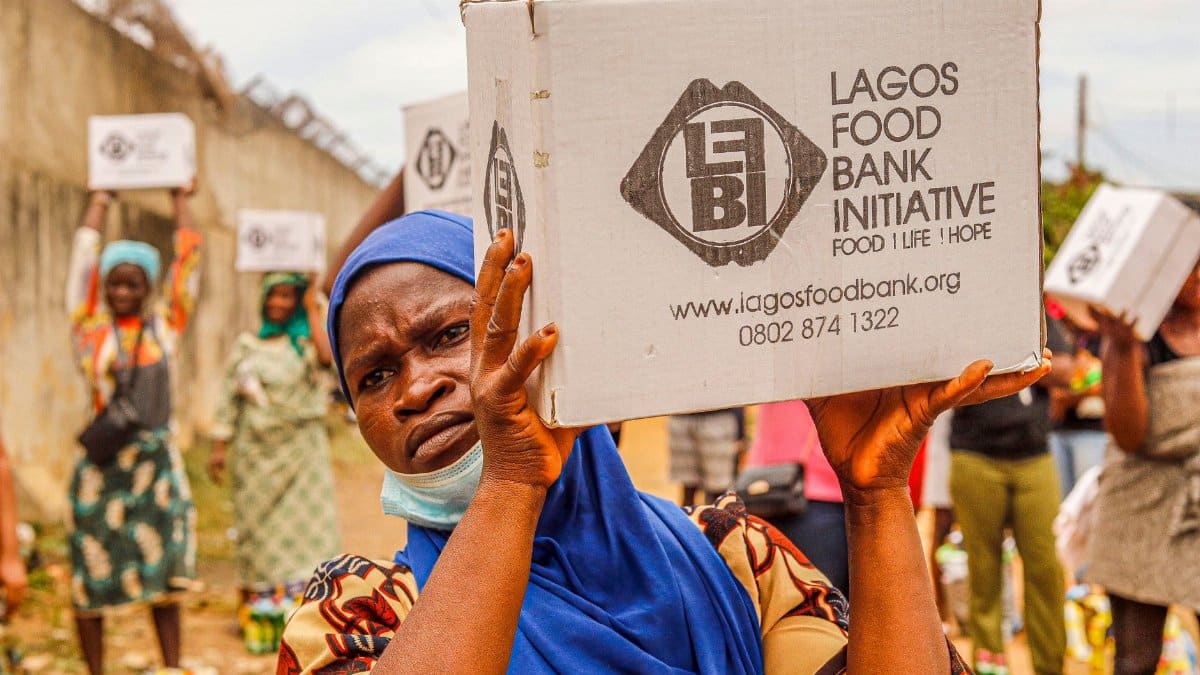
Local organizations respond to editorials by organizing workshops and outreach drives aimed at informing residents. These efforts often focus on simplifying processes and addressing common misconceptions. Volunteers report higher engagement when information feels approachable and neutral. The voting rights editorial appears to have inspired similar activities in neighboring regions highlighting how media can catalyze positive action.
Looking Ahead to Future Elections

Preparation for upcoming cycles involves collaboration among officials advocates and citizens. Lessons from past cycles inform better training and technology use to streamline experiences. Sustained focus remains essential to prevent erosion of trust. Pieces such as the voting rights editorial serve as reminders that vigilance benefits the entire system by promoting transparency and accessibility for all eligible adults.