
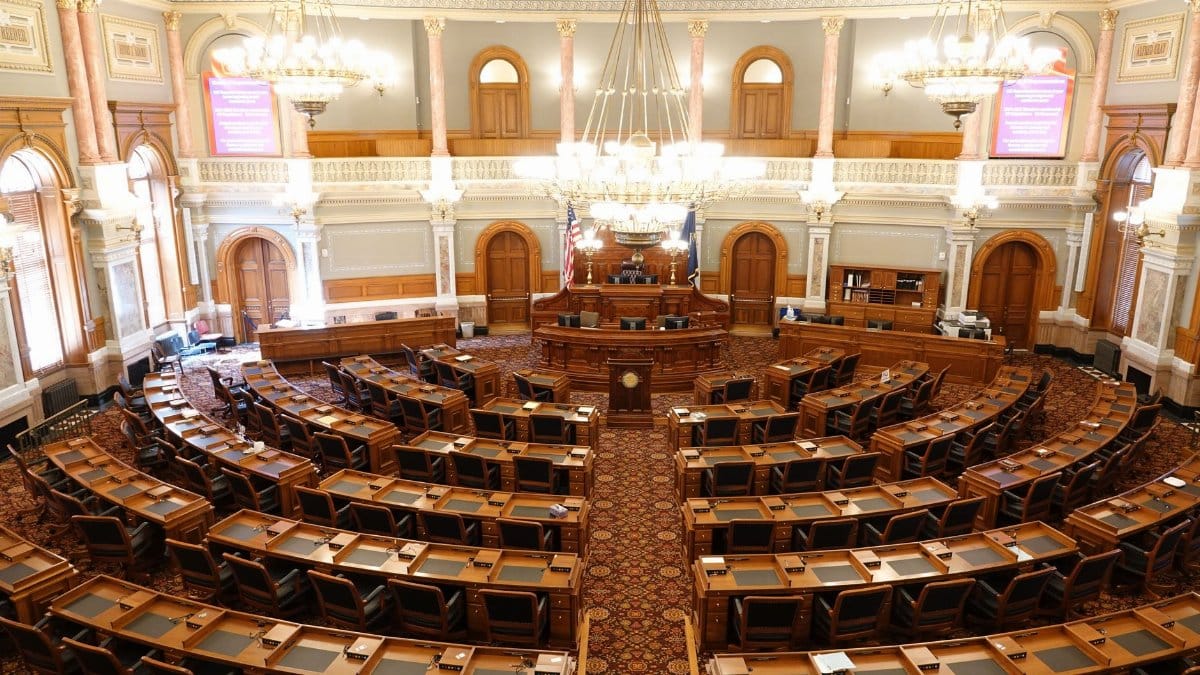
The August primary in Minnesota proved decisive for many candidates seeking seats in the state legislature. In areas dominated by one political party the contest on that day determined the eventual officeholder. This dynamic played out across several Minnesota legislative races where the winner of the primary faced little opposition later on.
Role of Safe Districts in Shaping Results

Voters in reliably partisan zones often decide the outcome well before November arrives. With turnout sometimes low these early contests reward organized campaigns that mobilize core supporters. Data from recent cycles shows how such patterns lock in representation for years.
Key Contests That Set the Tone

Several districts drew attention for their internal party battles. Candidates focused on local issues like education funding and infrastructure needs to connect with residents. The results sent clear signals about priorities moving forward into the full session.
Broader Effects on Policy Direction

Winners from these Minnesota legislative races bring specific agendas to the capitol. Their victories can tilt committee balances and influence spending debates. Observers note steady shifts in areas such as health care access and tax structures over time.
Voter Turnout Patterns Observed
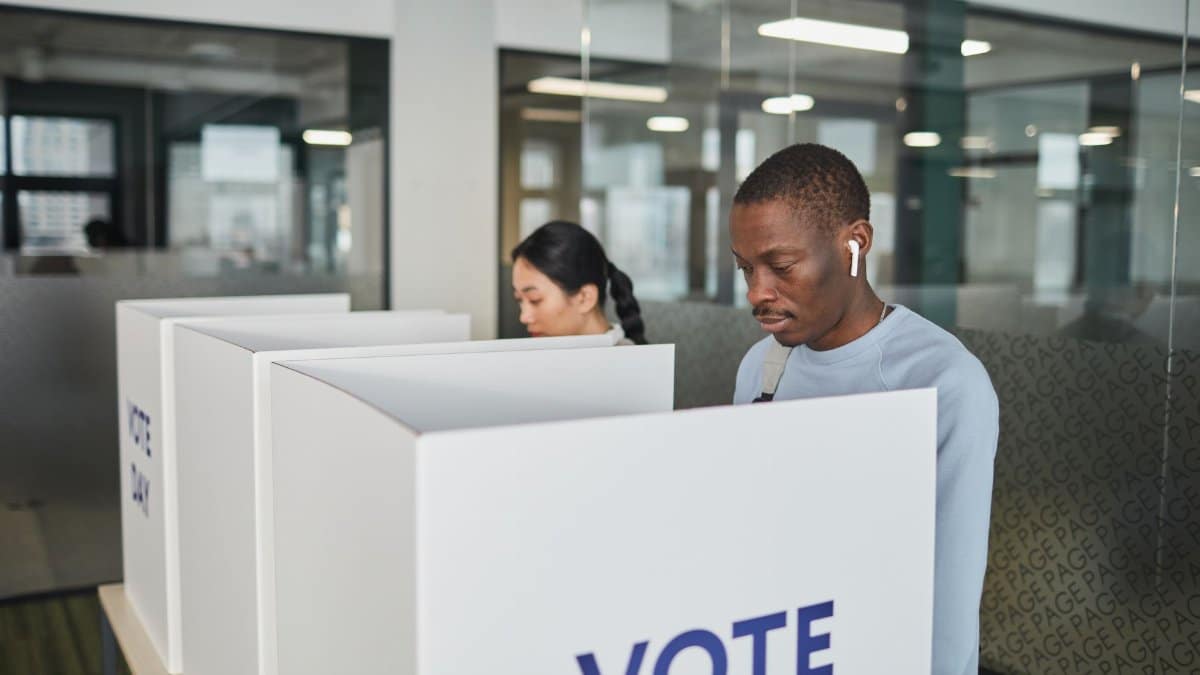
Participation levels varied but remained consistent with past off year events. Urban and suburban pockets showed different engagement rates compared to rural zones. Analysts track these trends to understand future participation in similar elections.
Challenges Faced by Challengers

Newcomers struggled against established names with strong name recognition. Fundraising gaps often proved difficult to close in the compressed primary window. Success stories emerged when fresh voices aligned closely with district values.
Looking Ahead to General Election Season
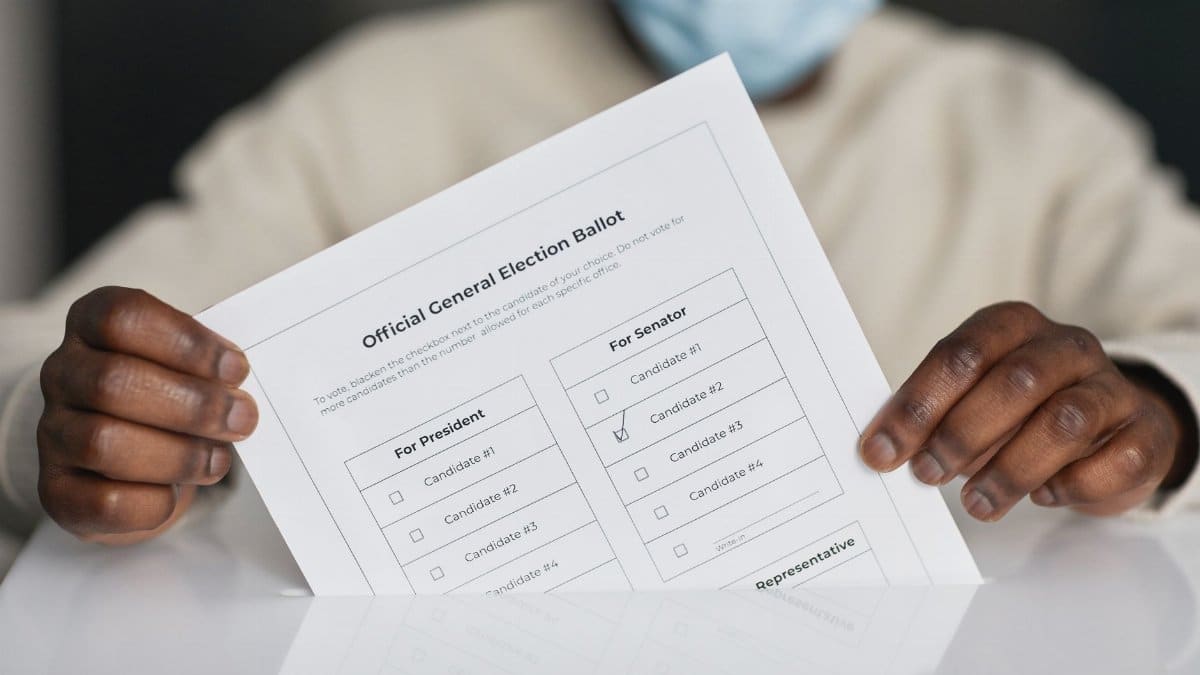
Though many seats are settled attention now turns to open races and competitive battlegrounds. Parties will refine messages to appeal to moderates and independents. The overall landscape suggests continued emphasis on practical governance.
Local Issues Driving Candidate Platforms

Concerns over schools and transportation dominated conversations in many neighborhoods. Candidates tailored responses to reflect community feedback gathered at forums. These details help explain why certain platforms resonated more than others.
Historical Context for Current Trends

Past election cycles reveal recurring themes in how Minnesota legislative races unfold during primary season. Patterns of incumbency strength persist across decades. Adjustments in redistricting add new layers to the familiar process.