

Seniors across several communities near Detroit are gaining access to advanced home security through a new initiative that provides free Ring cameras at no cost to qualifying residents. This effort targets older adults who may feel vulnerable in their neighborhoods and aims to foster greater peace of mind while strengthening local bonds. The program reflects broader trends in urban safety where technology meets community support and it stands out for its focus on those who have contributed much over decades. Eligible participants in nine metro Detroit cities can apply for free Ring cameras through local government channels with details released in recent announcements.
Program origins and local partnerships

City officials collaborated with technology providers and neighborhood groups to launch this security measure. The idea grew from discussions about rising concerns among older residents who often live alone. Partnerships allowed for distribution without financial barriers which helps ensure broad reach across diverse areas.
Eligibility criteria for applicants

Residents must meet age requirements typically sixty five and above along with proof of residency in one of the participating cities. Income limits apply in some cases to prioritize those with fewer resources. Background checks and home ownership verification form part of the process to maintain program integrity.
Application steps and deadlines

Interested seniors start by contacting their city hall or visiting designated websites for forms. Submissions require basic identification and sometimes a short statement about current safety needs. Processing times vary but approvals lead to quick installation support from trained volunteers.
Security benefits in daily life
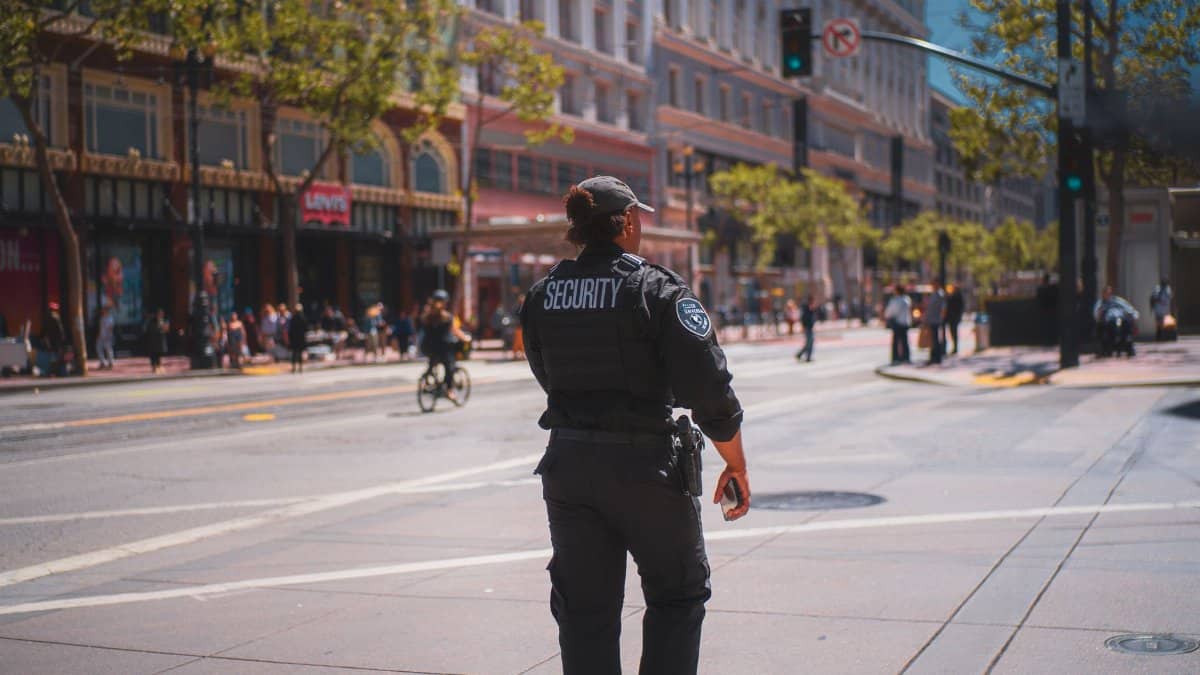
Devices offer real time alerts and video monitoring that can deter unwanted visitors. For seniors this means quicker responses from family or authorities during unusual events. Integration with mobile phones allows easy checks from anywhere which adds layers of reassurance without complex setups.
Community wide safety improvements

Wider adoption of these cameras encourages neighbors to watch out for one another more actively. Shared footage has helped solve minor incidents in pilot areas and builds collective awareness. Such tools complement traditional policing by providing visual records that prove useful in investigations.
Privacy considerations and protections

Program guidelines emphasize data control with users retaining ownership of recordings. Officials stress secure storage practices to prevent unauthorized access. Education sessions cover best practices like avoiding constant live streams in private spaces.
Similar efforts in other regions

Other cities have tested comparable distributions with positive feedback from participants who report feeling more connected. These models often include training on device use to maximize value. Lessons from those experiences informed the Detroit area rollout for smoother execution.
Future expansions and feedback loops

Leaders plan reviews after initial phases to assess effectiveness and gather input from users. Potential growth could include additional cities if results prove strong. Ongoing adjustments will address any technical hurdles that arise among older adults adapting to new tools.
Broader implications for senior well being

Beyond immediate safety this initiative highlights how innovation can support aging in place with dignity. It ties into larger conversations about faith communities and civic groups uniting for mutual aid. Participants often describe renewed confidence that extends to social activities and daily routines.