

Residents across western Washington are facing increased threats from wildfires this summer season. The National Weather Service has issued a red flag warning for the Olympics and North Cascades through the evening of August 12 2026. This Washington wildfire warning serves as a crucial alert for those living in or traveling through these areas where dry conditions and gusty winds could spark rapid fire growth. Communities in remote valleys and along forested ridges must stay vigilant as vegetation remains tinder dry after weeks of limited rainfall. Officials emphasize that even a small spark from equipment or lightning could lead to significant challenges for firefighters already stretched thin across multiple states.
Regional Terrain Raises Concerns
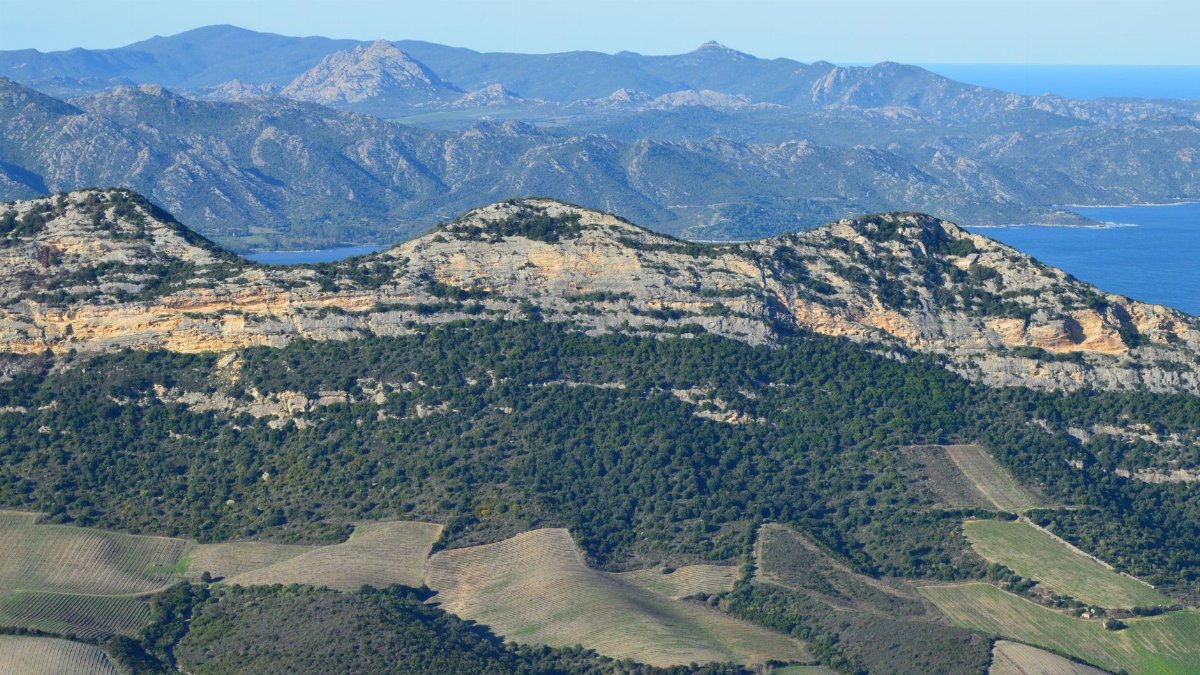
The Olympics and North Cascades feature steep slopes covered in dense timber and underbrush that can carry flames quickly uphill. Wind patterns in these mountains often accelerate once a fire ignites turning small starts into larger events within hours. Local fire managers note that access roads are limited in many spots making initial attack efforts more complex than in flatter terrain.
Weather Patterns Fuel the Alert
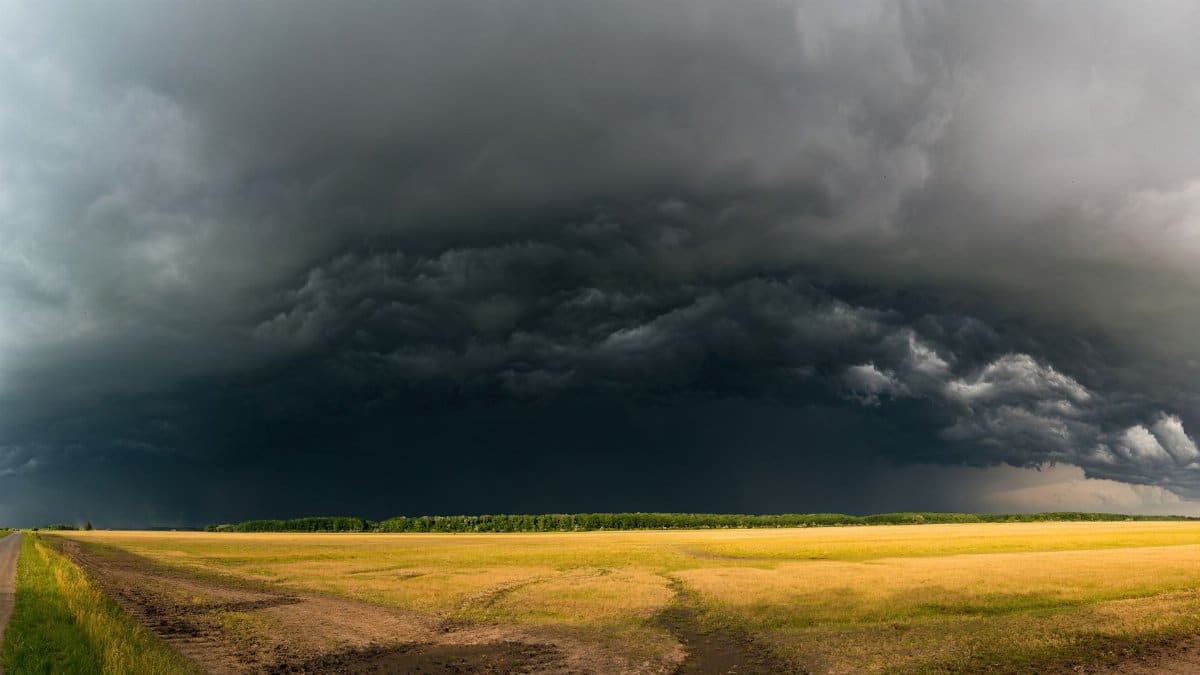
Forecasters point to a combination of low humidity and afternoon wind gusts reaching twenty five miles per hour as key drivers behind the current Washington wildfire warning. Temperatures climbing into the eighties add further stress to already parched soils and plants. Such conditions are common in late summer yet they arrive earlier this year prompting the extended alert period.
Community Preparation Efforts

Towns near the warned zones have stepped up public notices urging residents to clear defensible space around homes and review evacuation routes. Schools and community centers serve as gathering points for information sessions where families learn how to assemble go bags and monitor local radio updates. Volunteers help elderly neighbors trim branches and move wood piles away from structures.
Impact on Outdoor Recreation

Hikers and campers are asked to postpone trips into the affected backcountry until the warning lifts. Campfires remain prohibited in many national forest areas and smoking is restricted to vehicles only. Tourism operators report cancellations as visitors choose safer destinations farther from the risk zones highlighted in the Washington wildfire warning.
Role of Climate Trends
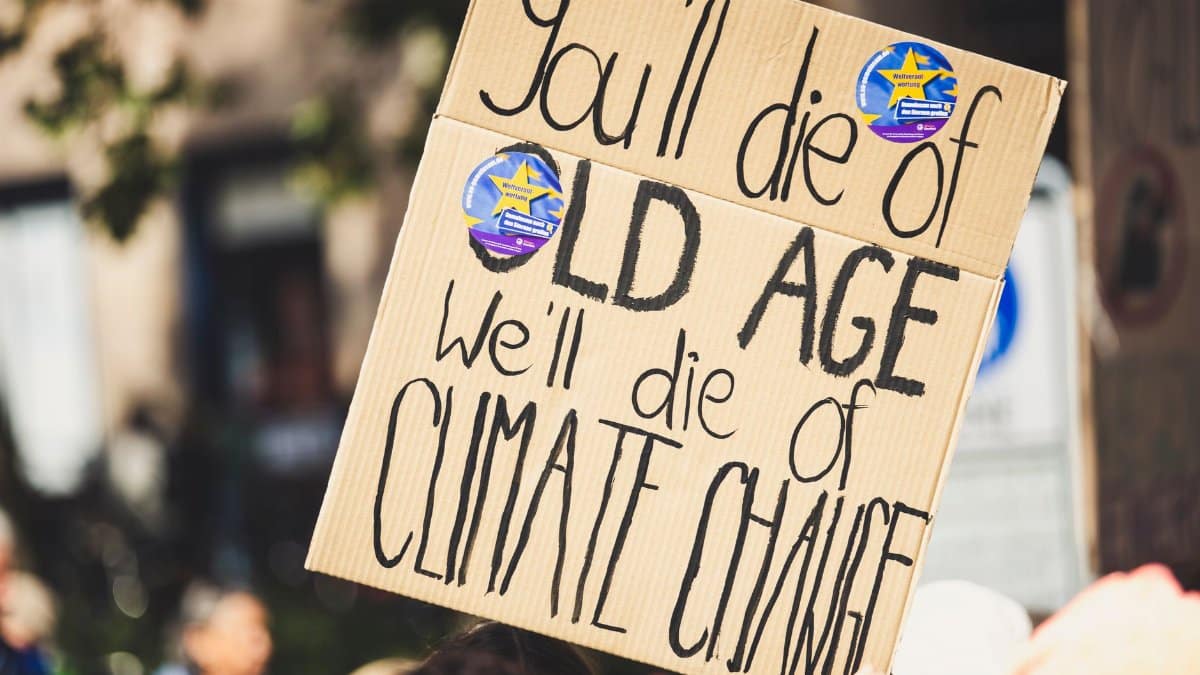
Longer dry spells have become more frequent in the Pacific Northwest shifting the fire season earlier and extending its duration. Scientists tracking these shifts link them to broader atmospheric changes that reduce snowpack and hasten spring runoff. While no single event proves causation the pattern supports ongoing investments in forest thinning and fuel reduction projects.
Economic Pressures on Local Areas
Businesses dependent on summer visitors face uncertainty as the Washington wildfire warning influences travel decisions. Timber companies adjust harvest schedules to avoid adding to ground fuels during peak danger periods. Insurance providers review policies for properties in high risk locations leading some owners to seek additional mitigation measures.
Coordination Among Agencies

State and federal teams share resources including air tankers and ground crews positioned for quick response. Daily briefings allow real time adjustments based on wind forecasts and satellite imagery. Past seasons show that early interagency cooperation reduces the size of fires once they start.