
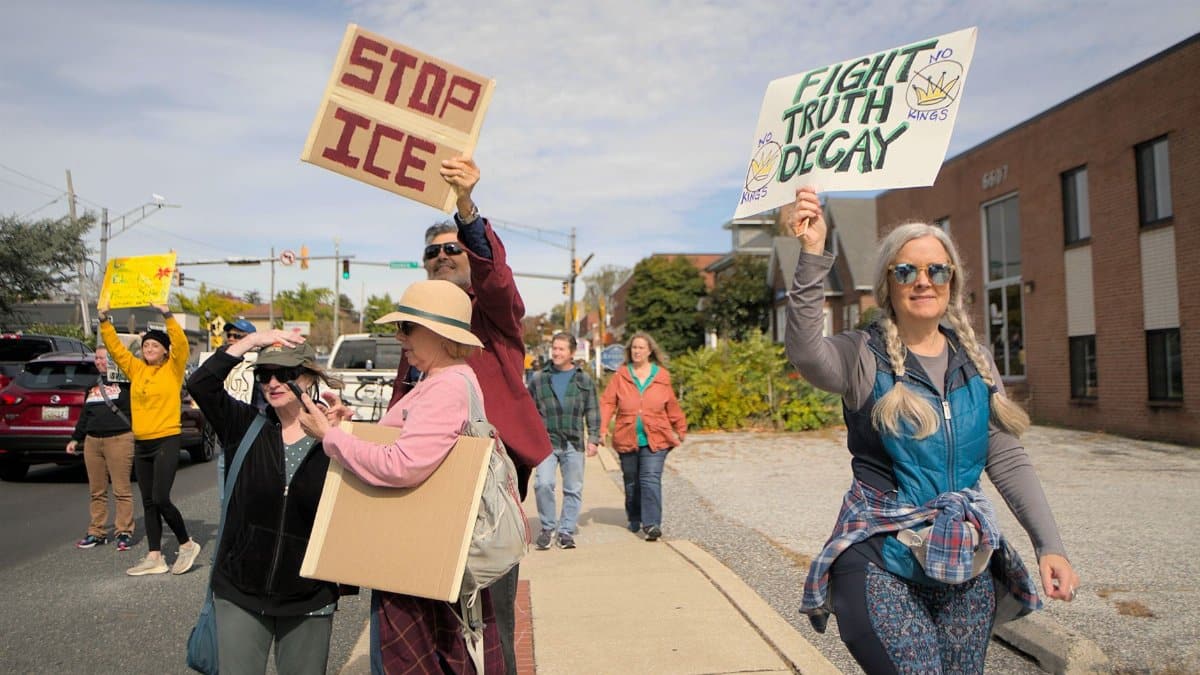
In recent years immigration enforcement has taken on a sharper edge across the United States and that shift is now reshaping how some criminal cases move through Maryland courts. Prosecutors report that potential witnesses are weighing the risk of detention or removal when deciding whether to cooperate with authorities. The result is a growing number of instances in which Maryland ICE witnesses choose not to appear even when their testimony could prove decisive. This hesitation is not limited to one county or one type of offense. It spans urban and suburban jurisdictions alike and it is forcing local officials to reconsider long standing practices for securing testimony.
Prosecutors Describe a Pattern of Reluctance

State attorneys in several Maryland counties say they have seen an increase in witnesses who fail to show up for scheduled court dates after learning that federal agents may be present in or near the building. One prosecutor noted that entire cases have collapsed because key individuals decided the personal cost of testifying outweighed any benefit to the community. The pattern appears most pronounced in matters involving traffic stops or minor drug possession where the witness may lack legal status.
Community Trust Erodes Under Heightened Scrutiny

Local leaders point out that years of outreach aimed at building cooperation between immigrant residents and police are now under strain. Families that once viewed the courthouse as neutral ground now associate it with possible federal intervention. This change in perception affects not only undocumented individuals but also lawful permanent residents who fear that any contact with the justice system could trigger secondary checks.
Defense Attorneys Report Parallel Concerns
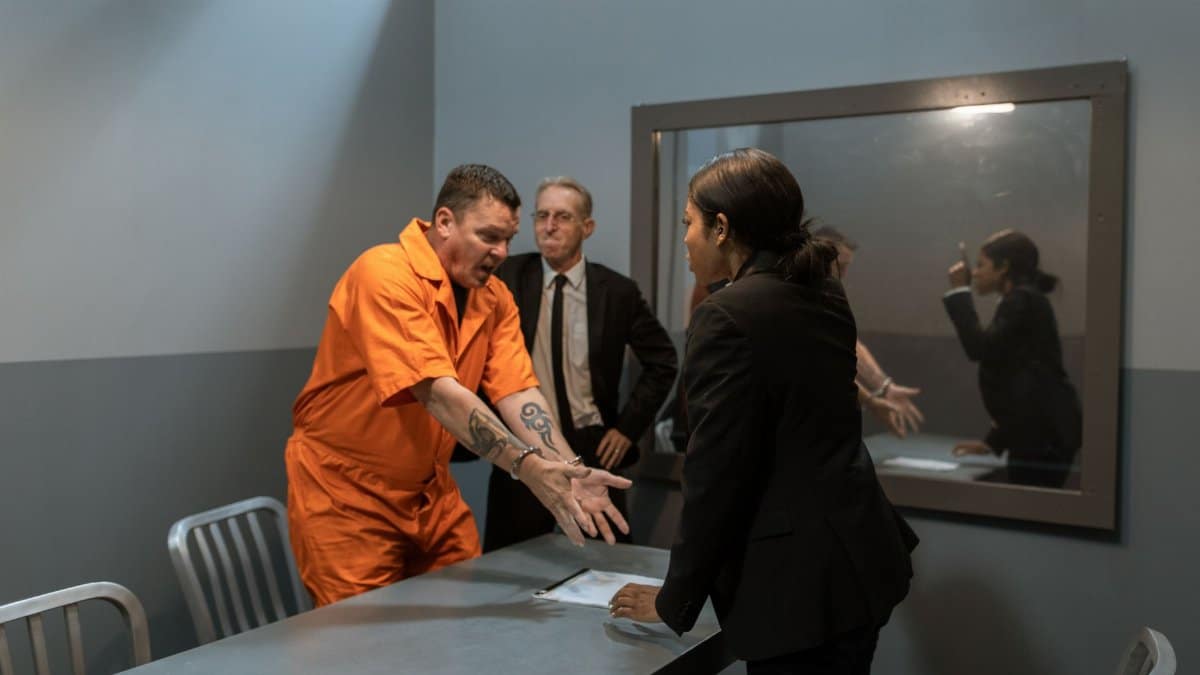
Lawyers who represent defendants describe similar difficulties. They say clients sometimes instruct them not to call certain witnesses because the risk of exposure is too great. In a few documented instances defense teams have asked judges to issue protective orders limiting the presence of federal officers inside the courtroom itself. Judges have responded with varying degrees of sympathy depending on the facts of each case.
Impact on Jury Trials and Plea Negotiations

When witnesses disappear the prosecution often loses leverage in plea discussions. Defense attorneys sense the weakness and push for reduced charges or outright dismissal. Several recent matters that would once have ended in felony convictions have instead been resolved as misdemeanors or dropped entirely. The ripple effect reaches victims who expected their day in court only to learn that the case evaporated before opening statements.
State and Federal Roles Create Tension
Maryland officials have little direct control over federal immigration priorities yet they bear responsibility for keeping local courts functioning. Some county executives have quietly asked federal partners to limit enforcement actions near courthouses during active trials. So far those requests have produced mixed results and no formal policy change has emerged at the national level.
Victims Weigh Their Own Exposure

The reluctance to testify extends beyond neutral observers. Even individuals who suffered direct harm sometimes decline to pursue charges when they believe their own immigration status could become an issue. Prosecutors describe victims who report crimes to police and then vanish once they realize federal agents might become involved in the follow up investigation.
Judges Seek Procedural Adjustments

Several members of the Maryland judiciary have begun experimenting with measures intended to reassure reluctant participants. These include allowing testimony by video link in limited circumstances and scheduling matters at times when federal enforcement activity is less visible. Whether these steps will restore confidence remains an open question.
Broader Effects on Public Safety
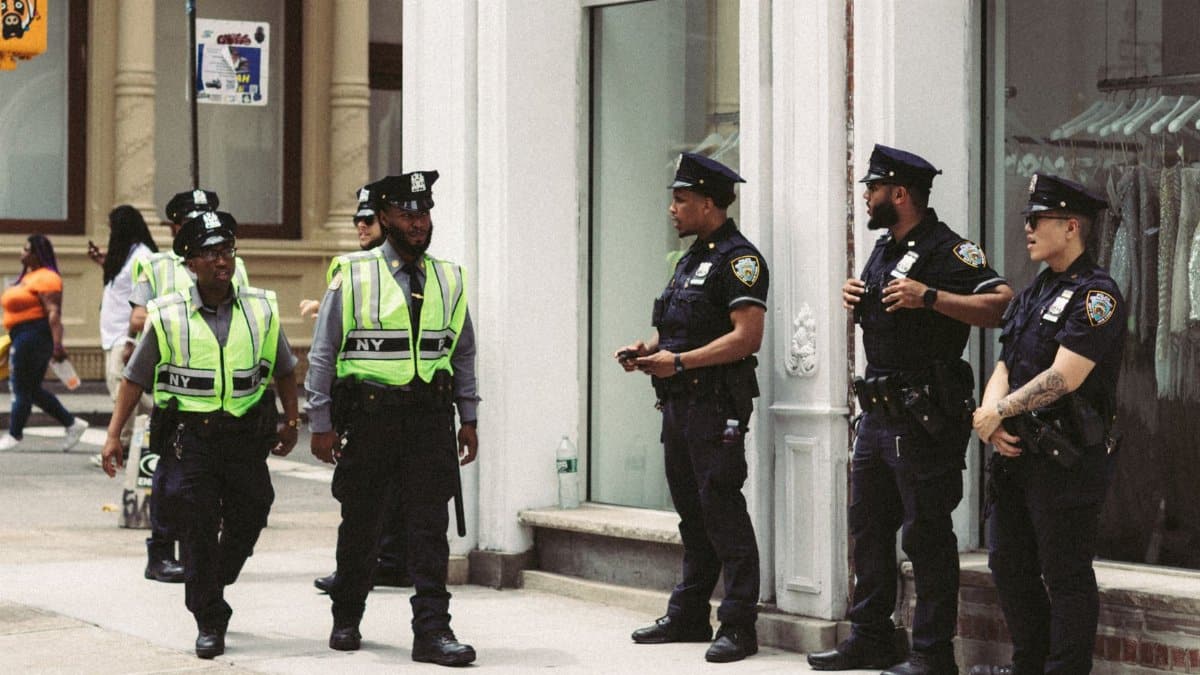
Law enforcement officials worry that reduced cooperation could eventually affect clearance rates for serious crimes. If residents believe any contact with police might lead to immigration consequences then even serious felonies may go unreported. Early data from a handful of jurisdictions show modest declines in witness participation though analysts caution that it is too soon to draw firm conclusions.
Looking Ahead for Maryland Courts

The situation continues to evolve as federal policies shift and local officials search for workable accommodations. Prosecutors and judges alike acknowledge that the current environment places unusual pressure on an institution that depends on voluntary participation. How Maryland balances its obligation to enforce state law with the practical reality of federal immigration enforcement will shape court operations for years to come.