
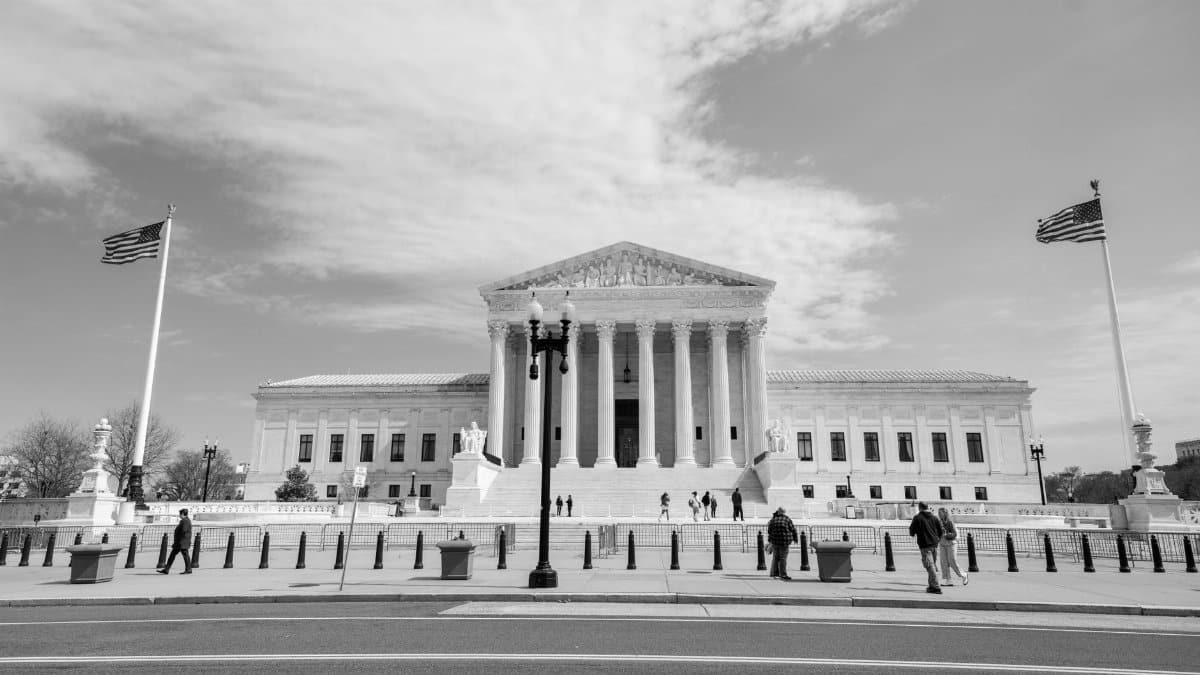
The white house issued a statement late on tuesday detailing a fresh push by the administration to limit automatic citizenship for certain newborns. This follows a supreme court decision that blocked earlier efforts on the matter. Officials framed the action as essential to close what they call gaps in long standing practice. The birthright citizenship orders mark the latest chapter in a debate that has spanned multiple administrations and court sessions.
Background on Recent Court Developments

The supreme court ruling came after lower courts had already questioned the reach of prior directives from the administration. Legal analysts noted that the decision left room for further executive steps though with clear limits on what could be achieved without new legislation from congress. Observers in washington expect additional court challenges to follow soon.
Details of the Latest Policy Steps

The birthright citizenship orders focus on tightening rules around births to parents who lack permanent legal status in the country. Administration sources said the measures include new documentation requirements for hospitals and updated guidance for federal agencies that handle citizenship records. Implementation is set to begin within ninety days.
Reactions from Legal Experts

Scholars at major law schools expressed concern that the orders could face swift constitutional tests. Some pointed to past precedents that have upheld broad access to citizenship for those born on united states soil. Others suggested the new approach might survive if it targets specific cases of fraud rather than broad categories of people.
Impact on Families and Communities

Advocacy groups described the orders as likely to create uncertainty for thousands of households across several states. Community organizations have begun offering information sessions to explain how the changes might affect access to public services and travel documents. Local leaders in cities with large immigrant populations warned of possible strains on social support networks.
Views from State Officials

Governors in border states issued mixed statements with some welcoming tighter rules while others pledged to limit cooperation with federal enforcement. State attorneys general are reviewing the orders for possible lawsuits that could reach federal courts within months. Coordination between states and washington remains uneven at this stage.
Historical Context of Citizenship Practices

Automatic citizenship at birth has been a feature of united states policy since the adoption of the fourteenth amendment after the civil war. Over time the interpretation has covered nearly all births on american soil regardless of parental status. The current orders represent an attempt to narrow that scope through executive action rather than a formal amendment process.
International Comparisons and Travel Concerns

Other nations handle citizenship transmission through parental lineage rather than place of birth. The administration cited those models as part of its rationale though critics noted the united states has long operated under a different framework. Travel industry representatives raised questions about how the orders might affect families planning international movement.
Potential Economic Effects

Economists at several research centers suggested the policy could influence labor markets in sectors that rely on younger workers. Some models project modest shifts in population growth rates over the next decade if enforcement proves effective. Business groups have called for clearer guidance on how the rules will interact with existing visa programs.
Next Steps for Implementation

Federal agencies are preparing training materials and updating computer systems to track the new requirements. The birthright citizenship orders also direct the state department to revise forms used in consular offices abroad. Lawmakers on both sides of the aisle have signaled interest in holding hearings once the details become public.