

In recent months universities across the country have grappled with how to handle faculty opinions on global events. A notable case involves the University of Minnesota agreeing to pay a substantial sum to resolve a dispute with a scholar known for his views on historical atrocities. This settlement brings attention to broader challenges of academic discourse in polarized times. The matter centers on comments regarding events in Gaza and raises questions about expression in academic settings. Raz Segal Minnesota becomes a focal point in debates over how institutions balance institutional reputation with individual scholarly perspectives. Further details reveal layers of negotiation and external pressures that influenced the final outcome. Observers note that such agreements often reflect deeper tensions within higher education regarding public commentary on sensitive topics.
Origins of the Employment Offer

The University of Minnesota extended an opportunity to the historian based on his established expertise in genocide research. Colleagues anticipated that his arrival would enrich campus discussions on human rights and historical analysis. Initial reviews of his work highlighted a commitment to rigorous examination of past events without favoring any political side. University administrators viewed the position as a way to strengthen their program in Holocaust and genocide studies. The process moved forward until external reactions to his public statements altered the trajectory.
Public Statements on Gaza Events

Comments made by the scholar addressed claims of genocide in ongoing conflicts and drew from his academic background in similar historical cases. These remarks appeared in various forums and prompted swift responses from different groups. Some praised the willingness to apply consistent standards across contexts while others saw the statements as inappropriate for the moment. The university cited concerns over potential disruption to campus climate as a factor in reconsidering the offer. This sequence illustrates how individual expressions can intersect with institutional decision making in unexpected ways.
Path to Legal Resolution

Following the withdrawal of the offer the historian pursued formal channels to address what he described as an infringement on his rights. Negotiations between legal representatives led to a monetary agreement that avoided prolonged court proceedings. The sum involved reflects a compromise reached after careful review of relevant employment laws and academic norms. Both parties issued statements emphasizing mutual interest in moving forward though details of private discussions remain limited. Such outcomes often serve as precedents for similar disputes in educational settings nationwide.
Reactions from Academic Community
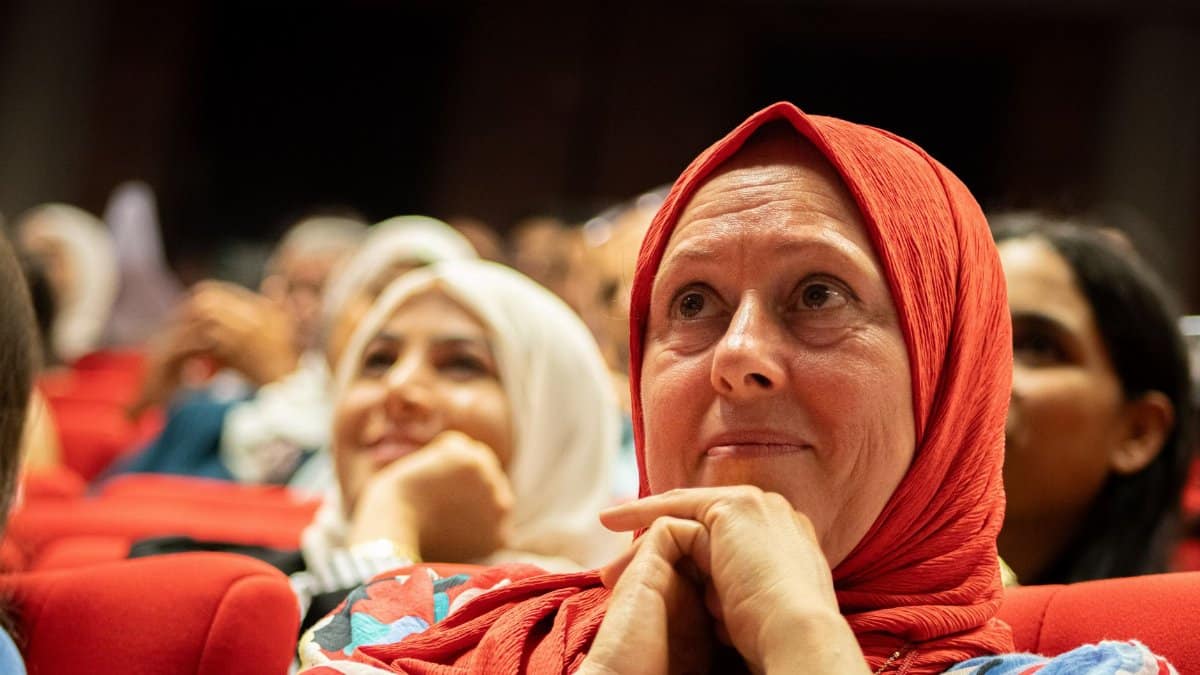
Fellow scholars expressed a range of views on the settlement with some seeing it as validation for speaking freely on difficult subjects. Others worried that the episode might discourage open inquiry into controversial areas of study. Professional organizations issued calls for clearer guidelines on how institutions should handle public commentary by faculty members. The case prompted renewed conversations at conferences about the boundaries of acceptable discourse in fields like history and political science. These exchanges continue to shape policies at various universities.
Impact on University Policies

Administrators at the University of Minnesota have since reviewed their procedures for vetting candidates and responding to public feedback. Adjustments aim to provide more transparency while still protecting institutional interests during hiring processes. Faculty senates have advocated for stronger safeguards to ensure that scholarly opinions do not face undue interference. The changes seek to foster an environment where research and teaching proceed without fear of sudden reversals. Observers will monitor how these updates affect future recruitments in related disciplines.
Broader Implications for Free Expression

This episode contributes to ongoing national discussions about the role of academics in addressing international crises. It highlights the delicate balance between personal views and professional responsibilities in taxpayer supported institutions. Legal experts suggest that settlements like this one may influence how future cases are approached by both sides. The emphasis remains on maintaining spaces for thoughtful analysis even when topics generate strong emotions. Continued attention to these dynamics will prove essential as global events evolve.
Future of Genocide Scholarship

Fields dedicated to studying mass atrocities rely on scholars willing to draw connections across different historical periods. The settlement may encourage more careful consideration of how such work is presented to wider audiences. Institutions face pressure to support researchers without appearing to endorse specific political positions. This environment demands ongoing reflection on ethical standards and communication strategies within the discipline. Raz Segal Minnesota serves as one example in a larger pattern of scholars navigating these complexities.
Public Perception and Media Coverage
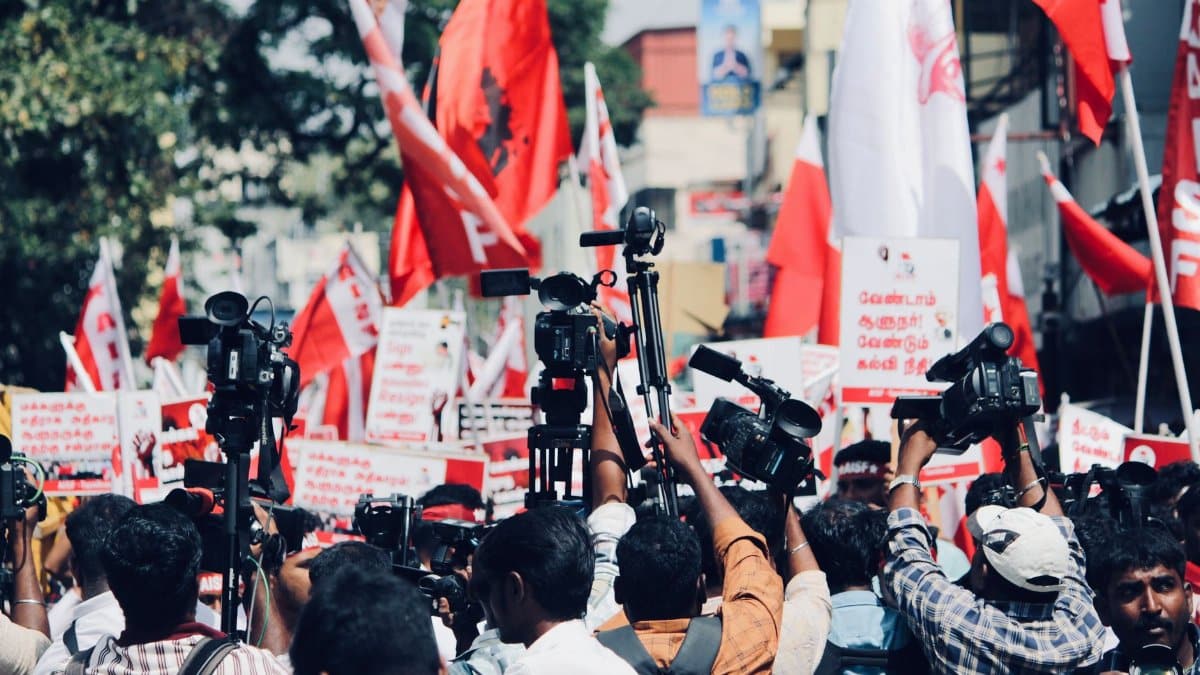
News outlets reported on the agreement with varying degrees of detail and analysis. Coverage often focused on the financial aspect while exploring underlying issues of academic independence. Readers encountered differing interpretations depending on the source with some emphasizing free speech concerns and others noting institutional caution. The story resonated particularly among those interested in higher education trends and international affairs. Over time such reports contribute to public understanding of how universities function in contentious eras.