
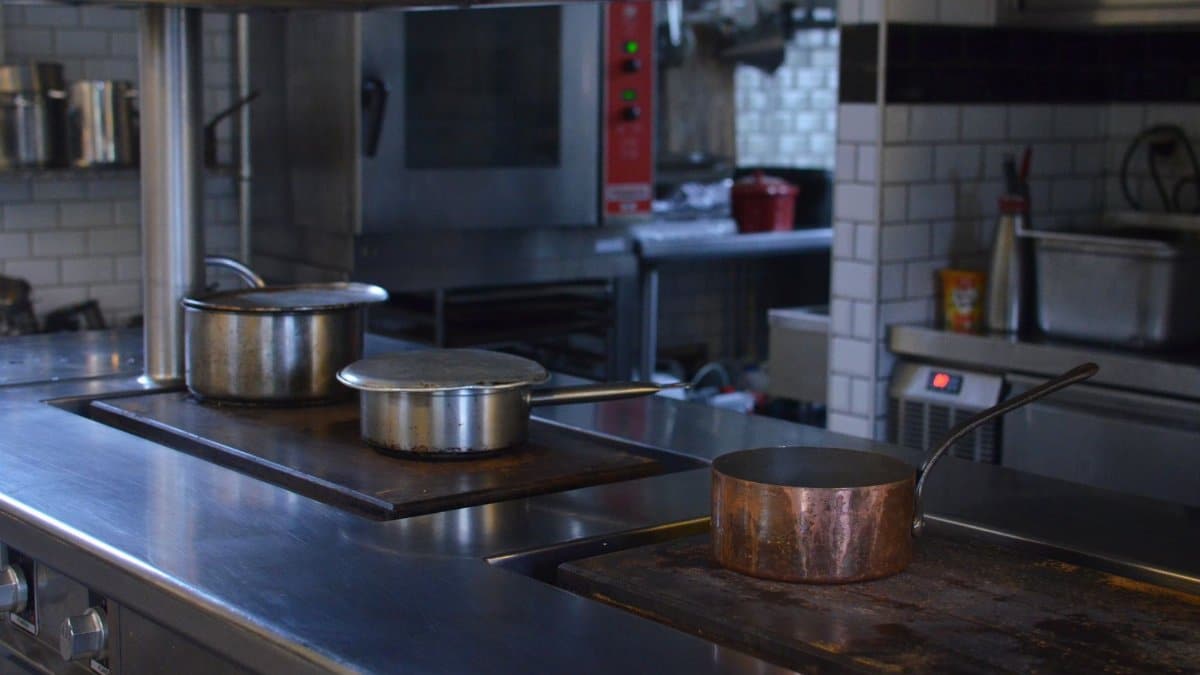
In the heart of South Florida many kitchens operate under constant scrutiny from health officials who document conditions that can affect public wellbeing. A recent review highlighted how South Florida restaurant inspections uncover issues ranging from improper storage practices to pest activity near food preparation areas. These findings prompt both restaurant owners and customers to reconsider daily operations and dining choices in a region known for its vibrant culinary scene. Officials note that violations often stem from high volume service demands rather than intentional neglect yet the consequences can linger in the form of temporary shutdowns and required corrections.
Patterns Emerging from Inspection Reports

Health department records show recurring problems across multiple establishments in recent months. Inspectors frequently note rodent droppings located close to clean pots and utensils creating direct pathways for contamination. Such discoveries lead to immediate requirements for deep cleaning and pest control measures before operations can resume.
Roach Activity in Food Service Areas
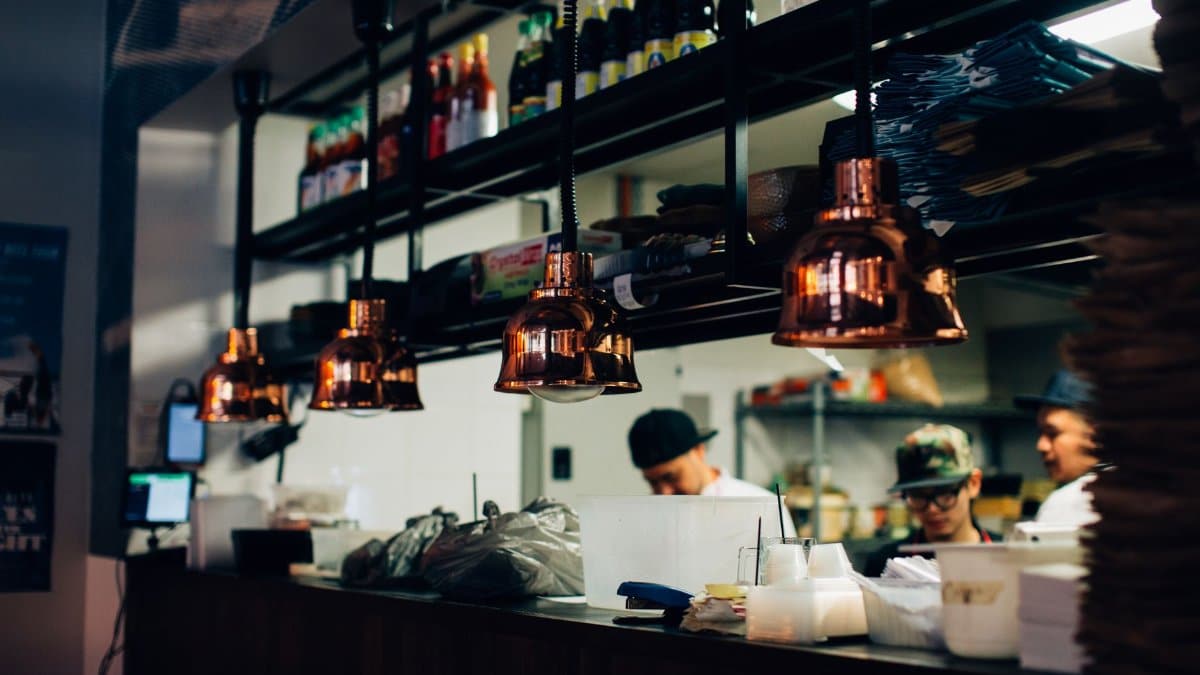
Another common concern involves live roaches found in kitchens and storage spaces. These insects thrive in warm moist environments typical of busy restaurants. Reports indicate that repeated sightings result in citations and follow up visits to confirm elimination efforts have succeeded.
Sanitation Shortcomings During Peak Hours
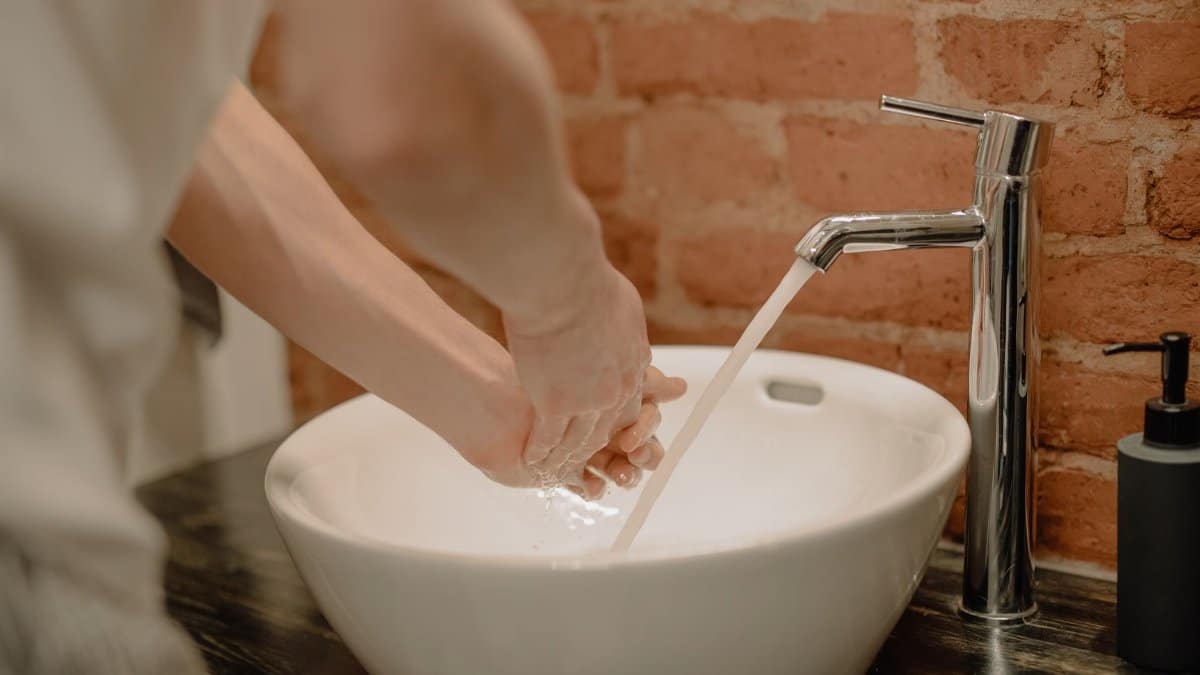
Staff shortages and rushed cleaning routines contribute to lapses in basic hygiene protocols. Surfaces may remain unwashed between tasks allowing bacteria to spread. Inspectors emphasize that consistent handwashing stations and proper waste disposal play key roles in preventing larger outbreaks.
Process Behind Routine Evaluations

Officials arrive unannounced to assess compliance with state guidelines. They examine every corner from walk in coolers to dishwashing stations. Scores determine whether a location earns a passing grade or faces mandated improvements within a set timeframe.
Effects on Daily Business Activities
Closures even for short periods disrupt revenue streams and staff schedules. Owners often describe the financial strain of lost days alongside the cost of professional remediation services. Public awareness of violations can also influence customer traffic long after issues are resolved.
Corrections That Allow Reopening
Establishments must demonstrate thorough fixes such as sealing entry points for pests and upgrading cleaning schedules. Follow up inspections verify that all standards are met. Successful cases show that proactive maintenance reduces the likelihood of repeat failures.
Guidance for Those Choosing Where to Eat

Diners can review public records online before making reservations. Looking for recent inspection dates and scores provides useful context about current conditions. Asking staff about their cleaning routines offers additional insight during visits.
Regional Shifts in Oversight Practices

Authorities have increased training for inspectors to address evolving challenges like supply chain issues affecting ingredient handling. Collaboration with local business groups aims to promote voluntary improvements ahead of formal checks. These efforts seek to balance rigorous enforcement with support for sustainable operations across South Florida restaurant inspections.