
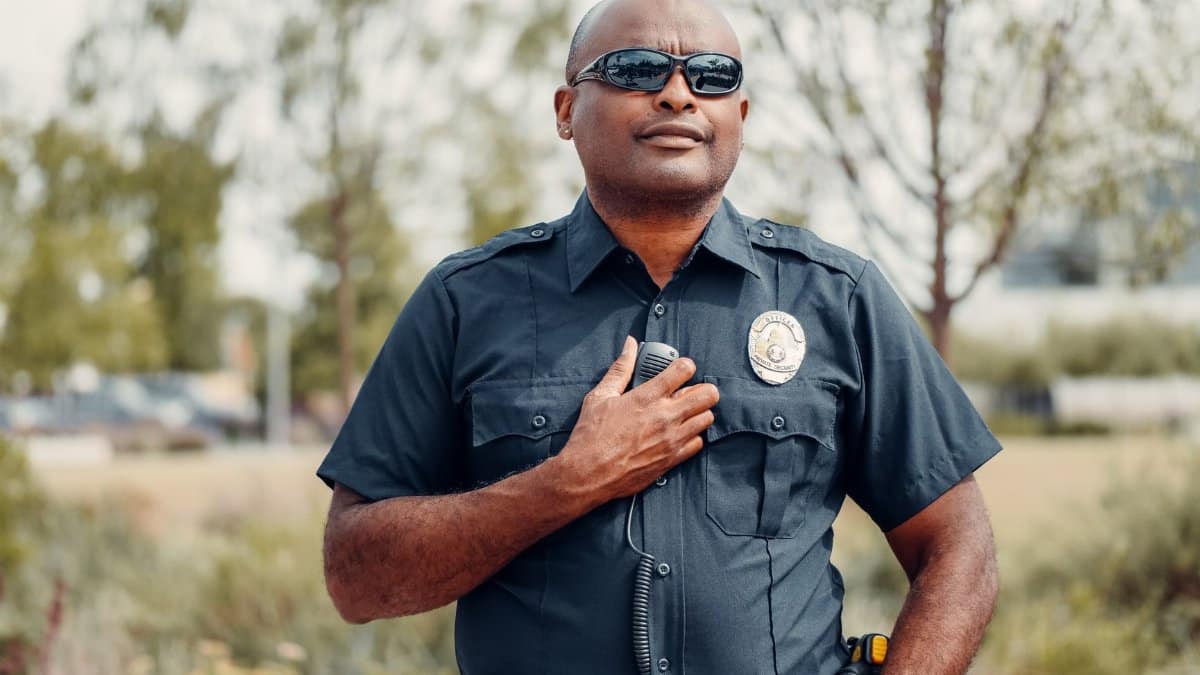
San Francisco deputies expressed astonishment when details emerged about their leader entering a media partnership. The SF Sheriff TV arrangement involves the sheriff collaborating with a television personality on public outreach efforts that blend official messages with entertainment style segments. Many in the ranks had no prior knowledge and viewed the development as a departure from standard procedures.
Department Reactions to the News

Rank and file members described a sense of confusion upon first hearing the reports. Some wondered if the partnership would affect daily workloads or shift focus away from core responsibilities. Others questioned the level of oversight applied to such agreements and whether similar opportunities would be available to all staff.
Public Image Goals Behind the Move

Supporters argue the setup allows greater reach into households that rarely follow traditional news. By appearing in lighter formats the sheriff aims to humanize the department and explain policies in accessible terms. This approach mirrors trends seen in other cities where officials seek direct audience connections.
Potential Conflicts and Oversight Issues

Critics inside the department point to possible overlaps between personal promotion and public service duties. They note that clear guidelines on outside media deals remain limited at present. Additional review processes could help address concerns about resource allocation and message consistency.
Comparisons With Past Practices

Previous sheriffs maintained lower media profiles focused mainly on press releases and official events. The current model introduces regular on air segments that require preparation time and coordination. Observers note this evolution reflects broader changes in how government agencies communicate.
Impact on Daily Operations

Staff members report minor adjustments in scheduling to accommodate filming sessions. Training sessions on media interactions have been offered to those interested in supporting roles. Overall workflow continues without major disruption according to internal updates.
Community Response and Feedback
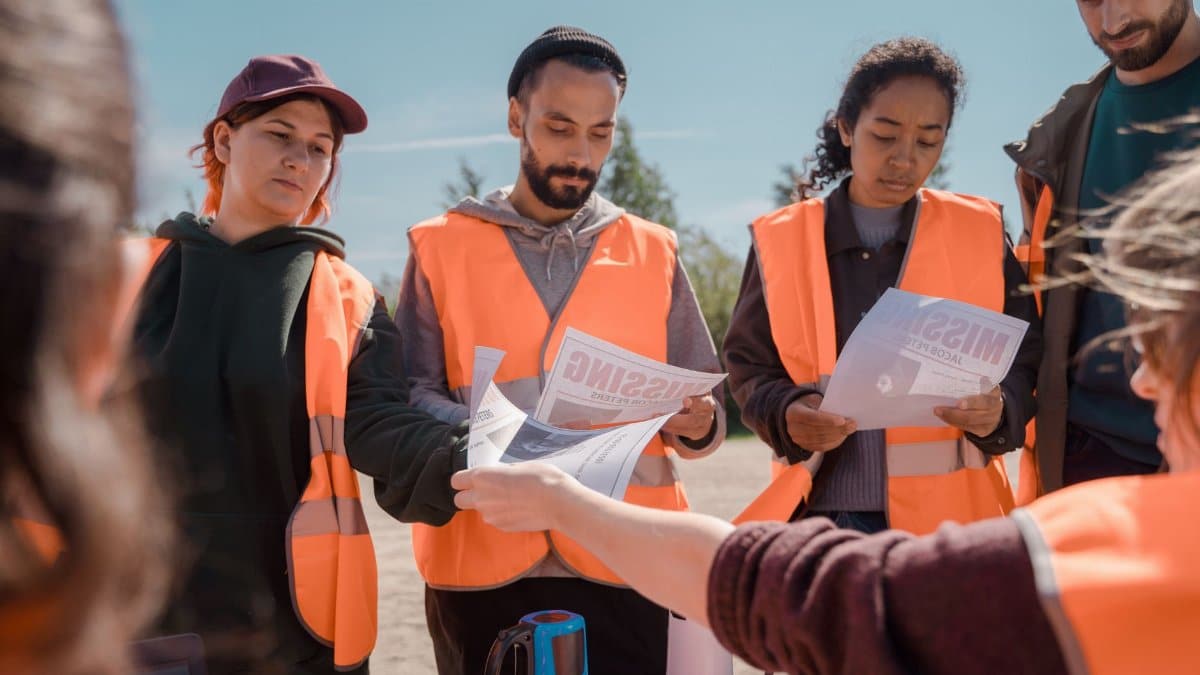
Local residents have shown mixed reactions ranging from curiosity to mild skepticism. Some appreciate the effort to explain complex issues while others prefer traditional sources for information. Town hall style discussions may help gather more input moving forward.
Future Outlook for Similar Arrangements

Department leaders plan to evaluate results after an initial trial period. Metrics such as viewer engagement and public trust surveys will inform next steps. Adjustments could follow based on outcomes and staff input collected through formal channels.
Broader Trends in Law Enforcement Media Use
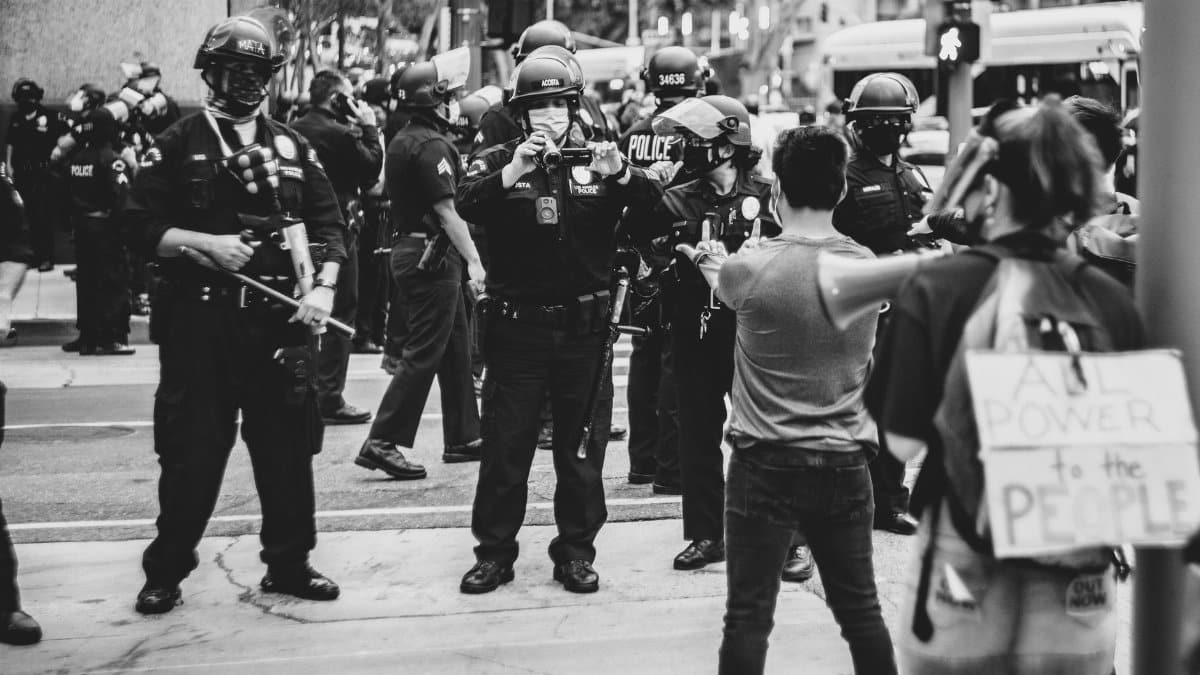
Across the country agencies experiment with digital and broadcast tools to build connections. Success depends on balancing transparency with operational security needs. San Francisco joins a growing list of jurisdictions testing new formats.