
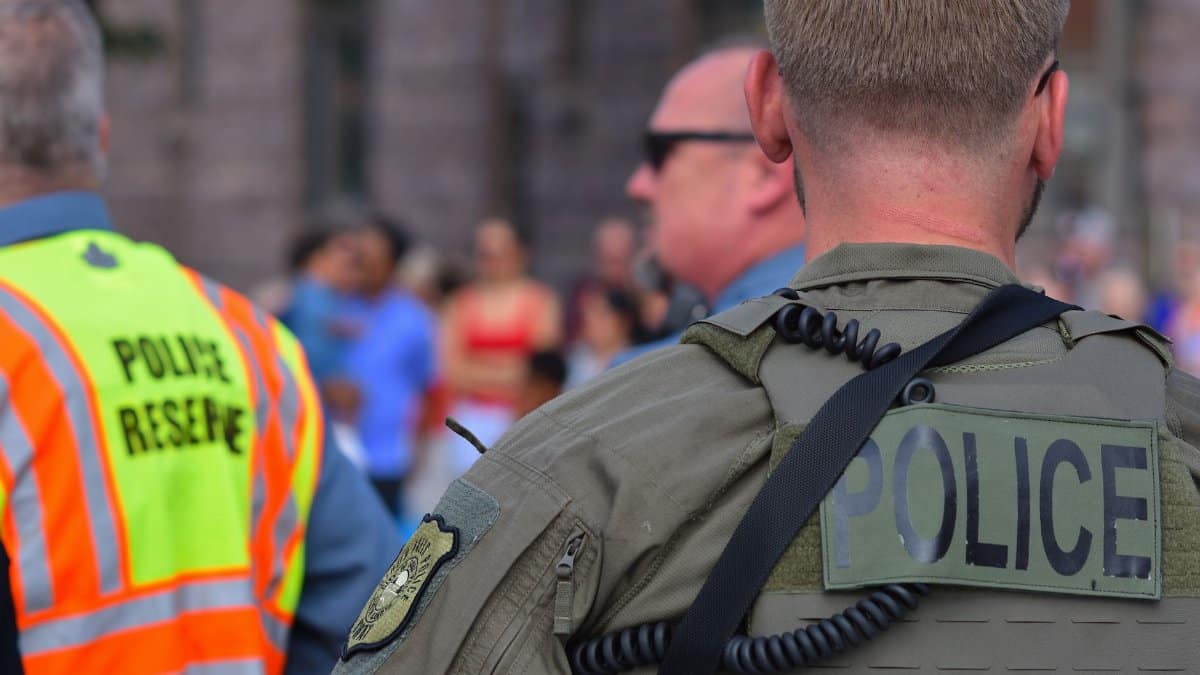
In the suburbs surrounding Minneapolis officers respond daily to scenes of violence and loss that linger long after shifts end. These experiences contribute to growing numbers of early departures from the force even as Minnesota directs millions toward support programs. The persistence of police PTSD Minnesota underscores how current approaches fall short in restoring officers to full capacity. State data show limited returns to active duty despite extensive funding and this pattern raises questions about the effectiveness of existing interventions for those sworn to protect communities.
Examining State Investments in Officer Wellness

Minnesota allocated around one hundred million dollars to a mental health initiative aimed at first responders. The program sought to address trauma through counseling access and peer support networks. Yet records indicate that only five percent of participants resumed their roles after enrollment. This outcome highlights gaps in program design that fail to account for the unique pressures of police work.
Tracing Patterns of Early Departures

Retirement filings among officers have increased steadily over recent years. Many cite psychological strain as a primary factor in their decisions. Data from state agencies reveal that cumulative exposure to critical incidents accelerates these choices. Communities then lose experienced personnel at a time when recruitment remains difficult.
Exploring Barriers to Effective Treatment

Stigma within departments often discourages officers from seeking help promptly. Cultural expectations of resilience can delay interventions until conditions worsen. Availability of specialized providers familiar with law enforcement realities also varies across regions. These factors combine to reduce the reach of available resources.
Reviewing Outcomes from Existing Programs

Evaluations of the state fund point to modest gains in awareness but little measurable improvement in retention. Participants report initial relief from sessions yet struggle with sustained reintegration. Follow up mechanisms appear insufficient to track long term progress. Adjustments to funding allocation could better target root causes of distress.
Considering Effects on Public Safety
Fewer veteran officers on patrol shifts place additional burdens on remaining staff. Response times and community relations may suffer as institutional knowledge erodes. Residents notice changes in service quality during periods of high turnover. Sustained shortages threaten overall stability in urban and rural areas alike.
Highlighting Personal Accounts of Strain

One officer described recurring memories that disrupted sleep and family interactions after a prolonged investigation. Another noted how routine calls triggered intense reactions that previously went unaddressed. Such narratives illustrate the human cost behind statistics and the need for approaches that honor individual experiences.
Assessing Comparisons with Other States

Neighboring regions have experimented with mandatory debriefings and expanded leave policies. Some report higher rates of officers remaining on duty after similar incidents. Minnesota could draw lessons from these models while adapting them to local conditions. Collaboration across borders might yield more robust frameworks.
Discussing Future Policy Directions

Lawmakers face pressure to refine funding mechanisms for greater accountability. Proposals include tying support to measurable recovery milestones and increasing training for supervisors. Broader cultural shifts within agencies will prove essential alongside financial commitments. Without such changes the cycle of departures may continue unchecked.