
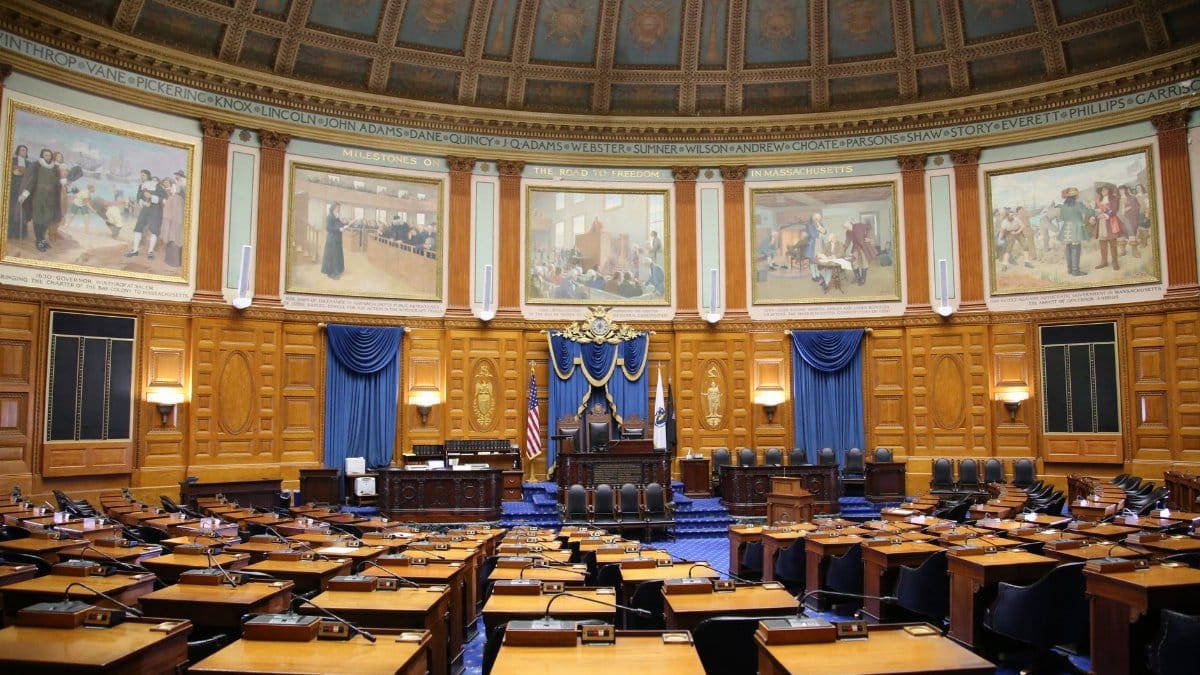
In a surprising development that underscores ongoing tensions between state and federal powers Massachusetts has enacted a measure restricting local involvement in immigration matters drawing immediate rebuke from national leaders. Observers note that political motivations appear to have overshadowed practical concerns about community protection. In this context the DHS Protect Act response has emerged as a key point of discussion among policymakers and citizens alike.
Origins of the Recent State Measure

The law signed on August 5 2026 bars local agencies from sharing information with federal immigration authorities in many routine cases. Backers claim it fosters better relations between residents and police while opponents say it creates safe havens for individuals who should face removal proceedings.
Details of the Federal Critique

Department spokespeople described the state action as placing political calculations ahead of everyday safety for families in cities and towns across the region. They pointed to examples where prior cooperation had led to the removal of persons with serious criminal records.
Position of Massachusetts Leadership

Governor Healey and legislative supporters defended the statute as a necessary step to maintain local control over policing priorities. They insisted the measure still allows cooperation in cases involving major threats but limits routine involvement that might erode community confidence.
Consequences for Immigration Enforcement
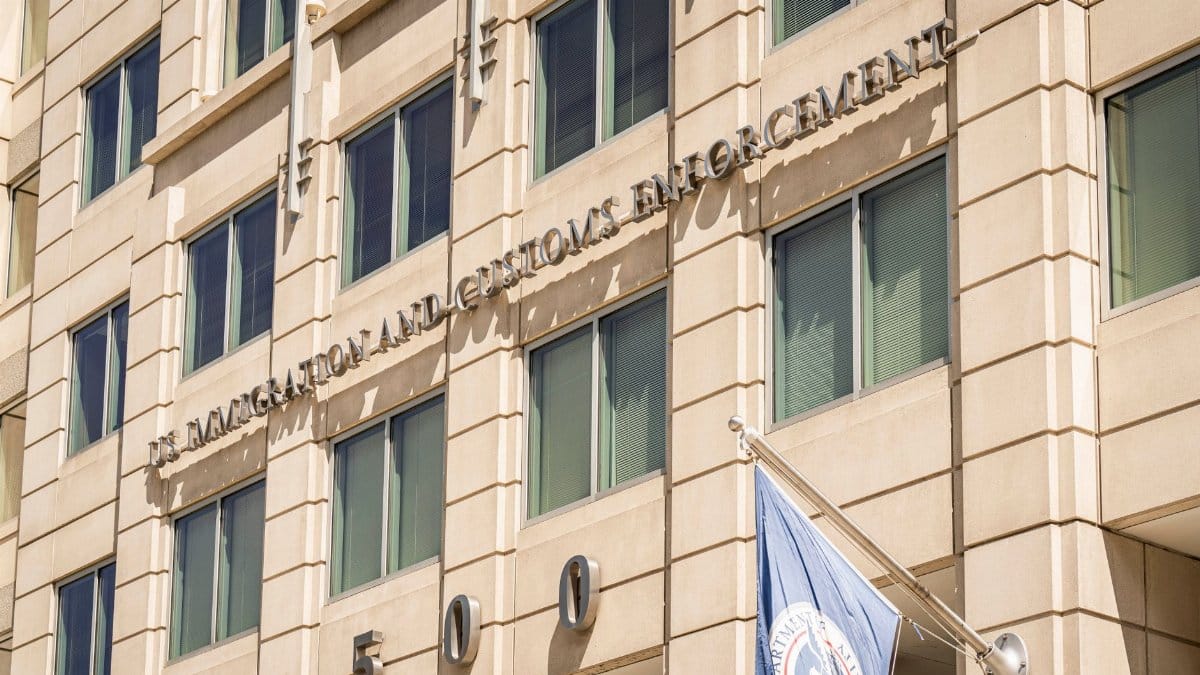
Without routine assistance from state and local officers federal agents face added logistical hurdles in locating and detaining individuals targeted for removal. This shift could slow the pace of enforcement actions and alter how resources are allocated nationwide.
Views from Affected Communities

Residents in areas with large immigrant populations expressed mixed feelings with some welcoming the added protections against sudden detentions and others voicing worries about rising crime if known offenders remain free. Local business owners noted potential effects on workforce stability.
Legal Questions Raised by the Law

Constitutional scholars have begun debating whether the statute conflicts with federal supremacy in immigration matters. Court challenges seem likely and could reach higher levels before a final resolution emerges on the proper division of authority.
Broader National Political Context

The episode reflects wider partisan divides over immigration policy with one side emphasizing enforcement and another stressing humanitarian considerations. Similar measures in other states may face comparable federal pushback in the months ahead.
Impact on Local Public Safety Efforts

Police chiefs in several Massachusetts cities have privately expressed concern that reduced information sharing could complicate efforts to solve crimes and manage repeat offenders. Public statements however have been more measured to avoid political friction.
Historical Precedents for Such Conflicts

Past disputes between states and federal immigration authorities have often centered on sanctuary policies and funding conditions. Those episodes produced court rulings that continue to shape current options for both sides in this latest round of disagreement.
Future Outlook for Policy Adjustments

Analysts expect ongoing negotiations and possible revisions to the state law as federal pressure mounts. The DHS Protect Act response may influence how other jurisdictions approach similar legislation in the coming election cycle and beyond.