

In the bustling retail landscape of Texas, where consumer habits shift with economic tides, one established grocer has quietly advanced plans that could reshape shopping options for residents in a key metro area. Property records and recent filings reveal measured moves toward development that align with broader patterns of chain expansion in growing suburbs. This sets the stage for what many locals might come to know as the H-E-B future store, a project rooted in land the company secured years ago.
Permit Filing and Regulatory Steps
The application process involves standard reviews by local authorities in the Dallas Fort Worth area. Officials examine zoning compliance, traffic flow projections, and infrastructure needs before granting approval. Such filings often precede groundbreaking by several months, allowing time for public input and adjustments. Company representatives have indicated the site fits long term portfolio goals without requiring new land purchases.
Site Characteristics and Ownership History
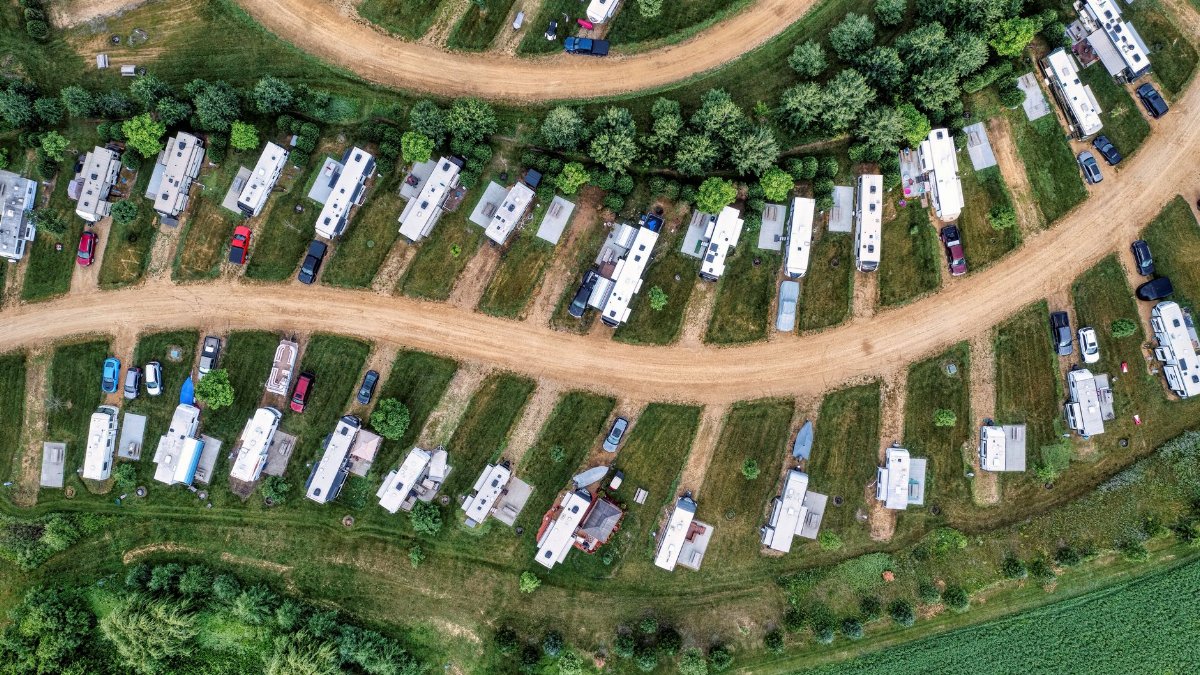
The parcel sits on ground acquired through prior transactions, providing a stable foundation for development. Its position offers convenient access from major thoroughfares, a factor that typically influences store placement decisions. Ownership records show the company has held the land amid fluctuating market conditions, positioning it for eventual use rather than immediate sale.
Regional Grocery Market Dynamics
Shoppers in the Dallas Fort Worth corridor encounter a mix of national and regional players competing for loyalty. Demand for fresh produce, prepared meals, and everyday staples continues to rise alongside population gains. New locations can ease pressure on existing outlets while capturing segments of the market drawn to specific brands and service levels.
Consumer Expectations in Modern Retail

Today buyers seek more than basic shelves stocked with goods. They value clean environments, efficient checkout systems, and selections that reflect diverse dietary preferences. A new store could incorporate design elements tested at other company sites, aiming to meet these preferences through layout and product variety.
Employment and Local Economic Effects

Construction and operations phases typically generate positions ranging from skilled trades to customer service roles. Area businesses may see secondary benefits as workers spend nearby. Over time the presence of a major retailer can support property values and encourage complementary developments in surrounding zones.
Supply Chain and Distribution Networks

Successful grocery operations rely on reliable sourcing from farms, processors, and warehouses. The company maintains established routes that could extend to this location, ensuring consistent inventory without major overhauls. This approach helps control costs and maintain quality standards across multiple outlets.
Community Integration Strategies

Retailers often engage neighbors through events, donations, or partnerships with schools and nonprofits. Early planning stages allow for input on features like parking, landscaping, and public spaces. Such steps foster goodwill and align the project with local priorities beyond pure commercial aims.
Long Term Outlook for Expansion

Industry observers note that measured growth through owned properties reduces financial exposure compared with aggressive acquisitions. This measured pace supports steady adaptation to trends such as online ordering and delivery services. The Dallas Fort Worth project reflects a pattern seen in other Sun Belt markets where demographics favor continued investment.