
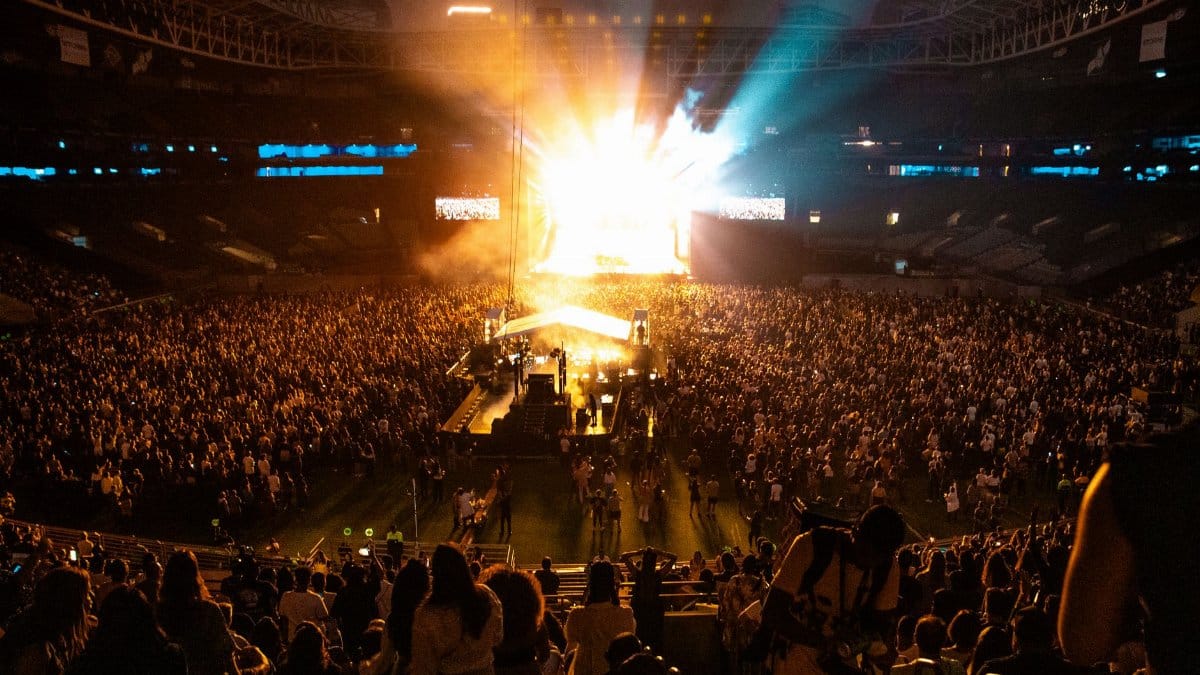
The echoes from past musical milestones at UC Berkeley still resonate with alumni and local residents who recall the electric atmosphere of earlier gatherings. As the university moves closer to securing a landmark event, attention turns toward how a Cal Memorial Stadium concert could reshape campus finances and community spirit in the years ahead.
Reviving a Storied Venue for Modern Audiences
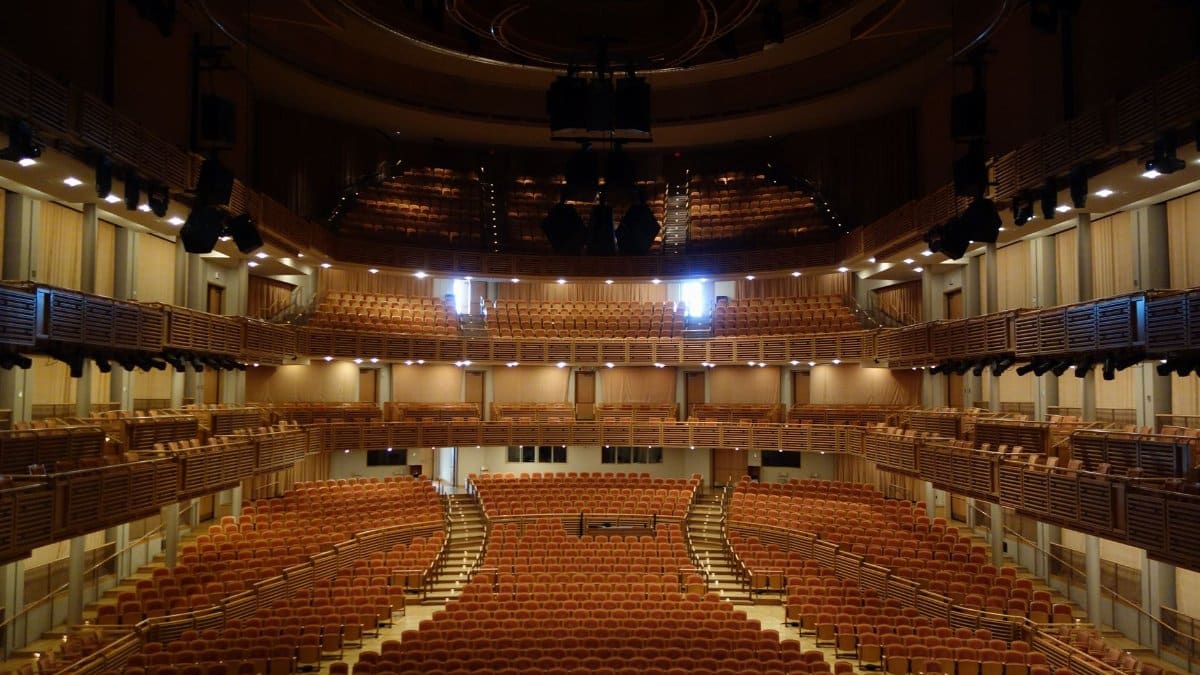
Memorial Stadium has hosted countless athletic contests and occasional large performances over the decades. Bringing back a major show after more than thirty years would mark a deliberate shift in how the university balances tradition with fresh revenue streams. Planners see this as an opportunity to draw diverse crowds while honoring the sites architectural heritage.
Financial Pressures Driving Athletic Department Decisions

College sports programs across the country face rising costs for facilities, coaching staffs and athlete support services. At Berkeley the athletic department views a Cal Memorial Stadium concert as one path to easing budget strains without relying solely on ticket sales from football games. Officials have examined similar arrangements at peer institutions to gauge realistic earnings potential.
Lessons from the Last Major Performance in 1990
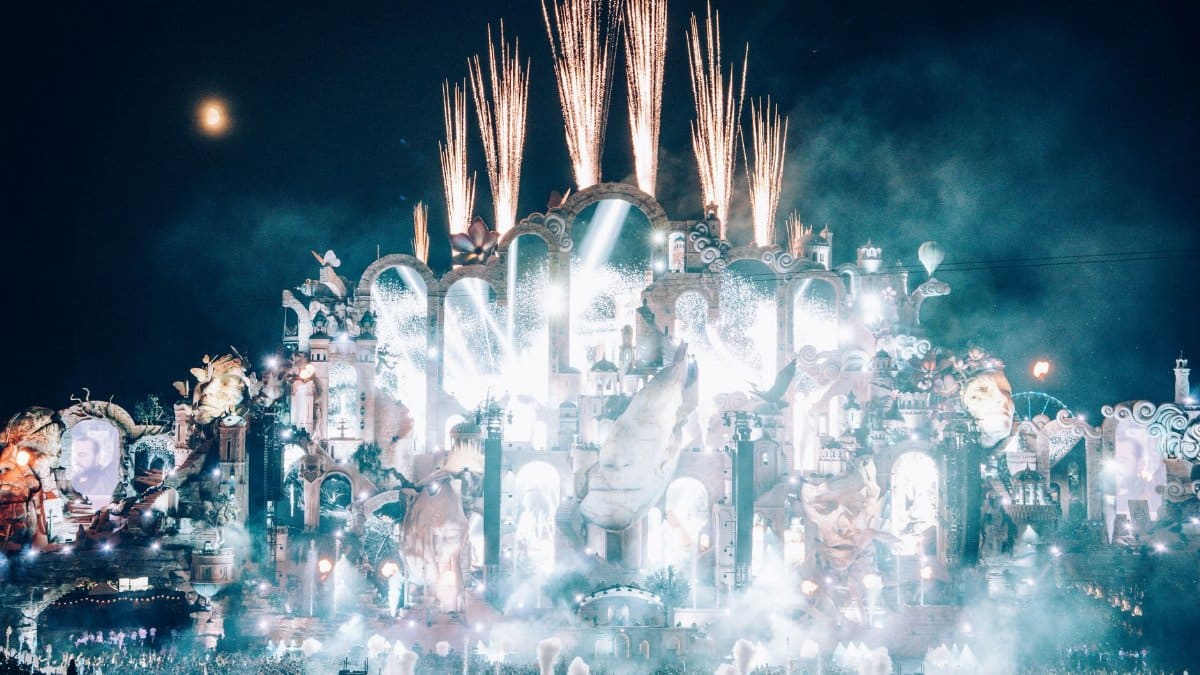
Paul McCartney filled the stands during a memorable evening that combined rock anthems with the natural acoustics of the open air setting. That night demonstrated both the venues capacity for sound quality and its appeal to artists seeking an intimate yet grand stage. Current negotiators study those details to avoid past technical hurdles while updating infrastructure for contemporary production needs.
Community Reactions and Neighborhood Considerations
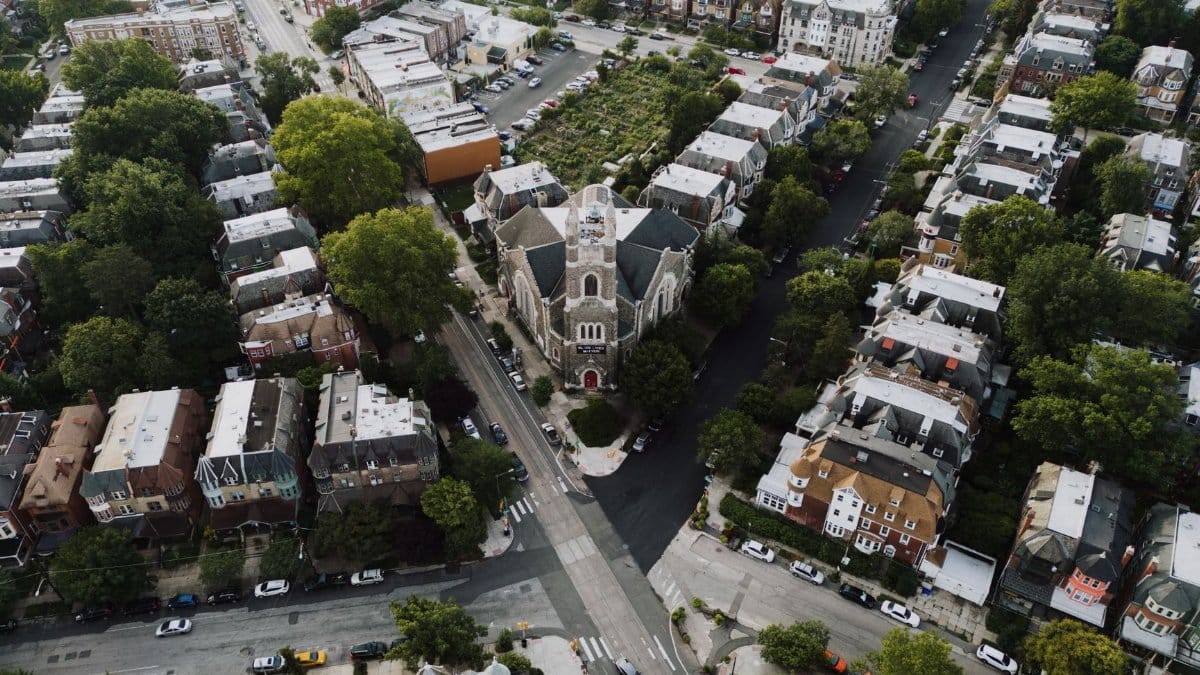
Residents near the campus express a mix of excitement and caution about increased traffic and noise during evening hours. University representatives have held open forums to address concerns over parking, security and late night activity. Many longtime Berkeley families see the event as a chance to celebrate shared cultural experiences that extend beyond game days.
Potential Artists and Booking Strategies
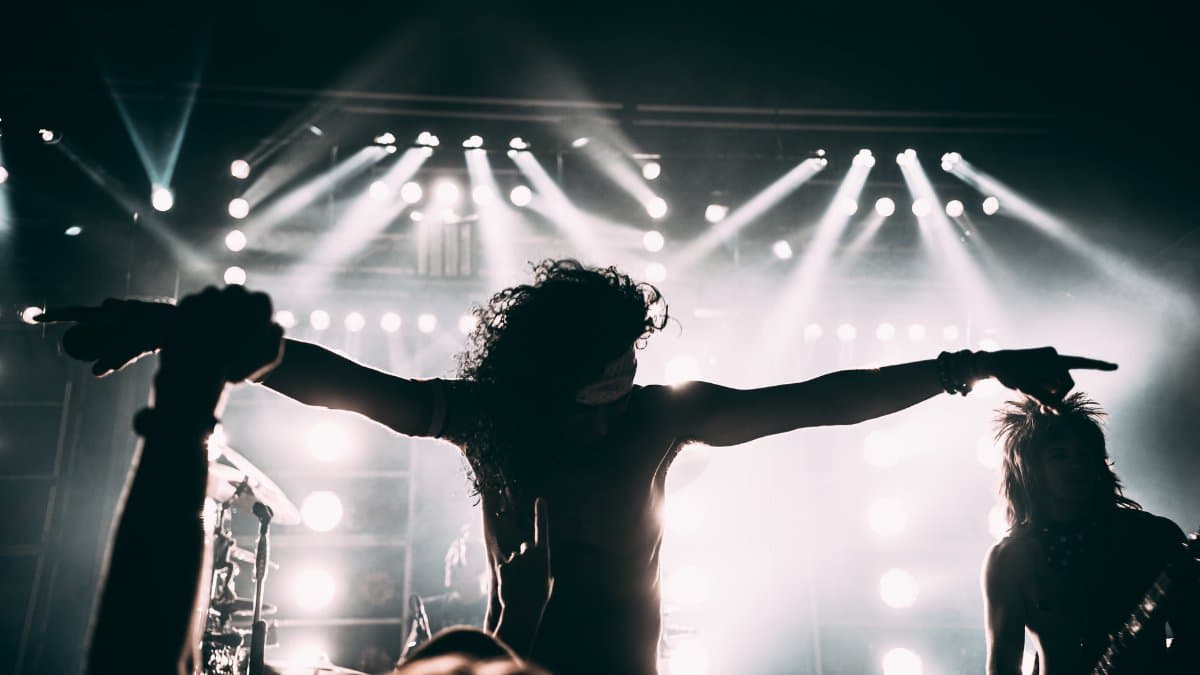
Agents for established acts have begun preliminary discussions with campus officials about dates that align with academic calendars. The goal remains a performance that appeals across generations rather than targeting only younger listeners. Selection criteria emphasize artists with broad name recognition and a history of smooth large venue operations.
Impact on Student Life and Campus Culture

Undergraduates welcome the prospect of high profile entertainment close to their dorms and classrooms. Organizers plan to offer discounted tickets and volunteer opportunities so that the student body feels included rather than sidelined. Such steps could strengthen ties between the athletic department and the wider university population.
Regulatory and Safety Upgrades Required

Any return to large scale concerts demands updated fire safety systems, crowd control measures and emergency medical access. The university has already begun assessments of existing infrastructure to identify areas needing reinforcement. Compliance with city and state guidelines will shape the final scope of any approved gathering.
Long Term Vision for Multi Use Stadium Programming

Administrators envision Memorial Stadium serving as more than a weekend sports destination. A successful Cal Memorial Stadium concert could open the door to additional non athletic programming in future seasons. This broader approach mirrors trends at other major universities seeking year round utilization of their largest facilities.
Balancing Tradition with Economic Realities

Faculty and alumni groups continue to debate how far the university should venture from its academic core mission. Proponents argue that steady revenue supports scholarships and facility maintenance that benefit all students. Skeptics urge careful limits so that commercial events do not overshadow the institutions primary educational identity.