
In the heart of Boyle Heights a neighborhood known for its tight knit community and rich cultural heritage residents have faced an unwelcome intrusion into their daily lives. The persistent smells from a major storage facility have sparked widespread frustration leading to thousands of formal reports and eventual action by oversight bodies. Lineage warehouse odors represent more than a nuisance they highlight tensions between industrial operations and residential well being in densely populated urban zones.
Community Reports Drive Regulatory Response

Local authorities received over four thousand separate accounts detailing unpleasant smells that disrupted routines and outdoor activities. These submissions painted a picture of consistent problems especially during warmer months when air circulation carries scents further. Officials reviewed the data and determined that immediate measures were necessary to address the source rather than relying on temporary fixes. The decision reflects a growing emphasis on accountability for facilities located near homes and schools.
Details of the Required Cleanup Measures

Regulators specified that millions of pounds of spoiled goods must be removed from the site within a defined period. This step aims to eliminate the root cause of the emissions while additional controls such as improved ventilation systems and monitoring equipment are installed. Compliance will be verified through regular inspections to ensure the changes produce measurable results. The order underscores the need for proactive management in food storage operations that handle large volumes of perishable items.
Effects on Daily Life for Area Families

Many households described how the odors limited their ability to enjoy yards or open windows forcing adjustments to routines like meal preparation and child playtime. Elderly residents and those with respiratory sensitivities reported heightened discomfort during peak episodes. These experiences have fostered a sense of shared concern prompting neighborhood meetings and petitions that amplified the call for change. Such patterns reveal how localized industrial issues can ripple through social fabrics in ways that affect mental and physical comfort alike.
Background on the Facility and Its Role
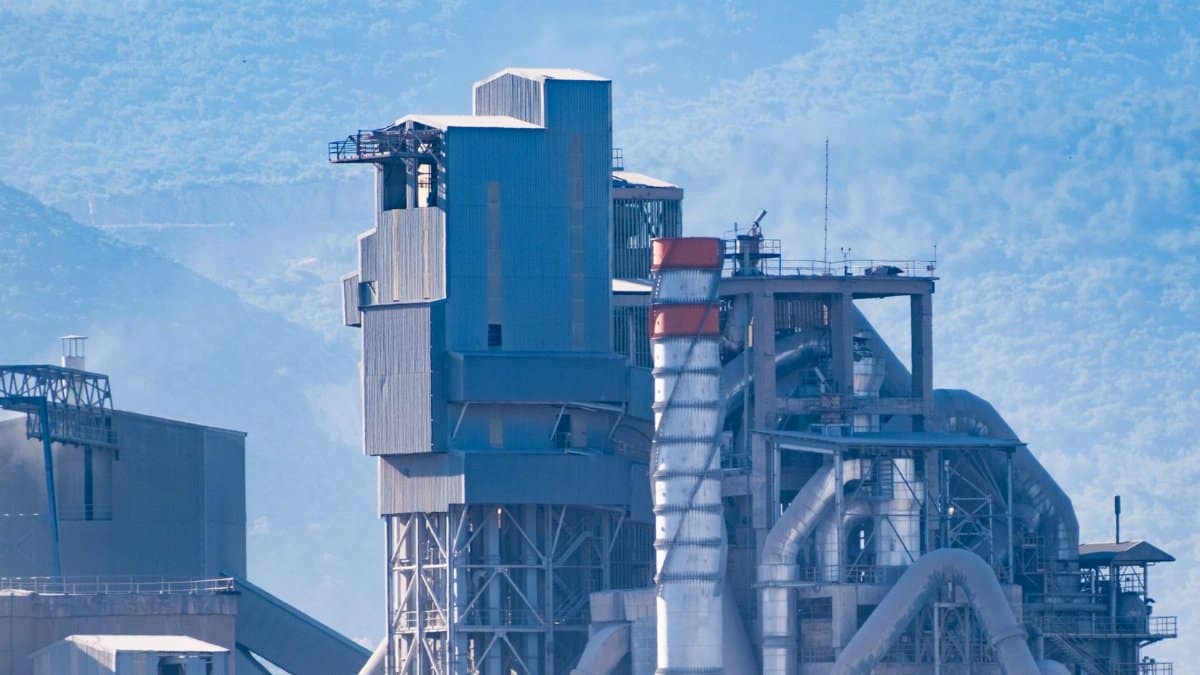
The warehouse serves as a key hub in the regional supply chain storing vast quantities of frozen and chilled products for distribution across the state. Its location was chosen for logistical advantages yet proximity to established communities has created ongoing friction. Expansion over the years increased capacity but also the potential for odor events when equipment or waste management falls short. Understanding these operational realities helps explain why targeted interventions became essential.
Health and Environmental Considerations

Air quality specialists note that prolonged exposure to certain organic emissions can contribute to irritation and reduced enjoyment of public spaces. While no immediate crisis was declared the cumulative reports justified a precautionary approach. Monitoring data collected over months supported the conclusion that better containment practices would benefit the surrounding ecosystem including nearby green areas and waterways. This case illustrates connections between commercial activities and broader ecological health.
Industry Standards and Necessary Improvements

Similar facilities elsewhere have adopted advanced filtration and waste processing techniques to minimize off site impacts. Adoption of these methods at the Boyle Heights site could set a precedent for peers facing comparable challenges. Training for staff on early detection of spoilage along with upgraded sealing protocols form part of the recommended upgrades. Such steps align with evolving expectations for responsible stewardship in the logistics sector.
Perspectives from Local Advocates and Officials
Representatives from community groups expressed relief at the enforcement action while emphasizing the importance of sustained oversight. Elected leaders highlighted how resident input shaped the outcome demonstrating the value of civic engagement in policy enforcement. These voices stress that resolution depends on collaboration between operators regulators and neighbors to achieve lasting relief without disrupting essential services.
Looking Ahead to Sustained Air Quality Gains
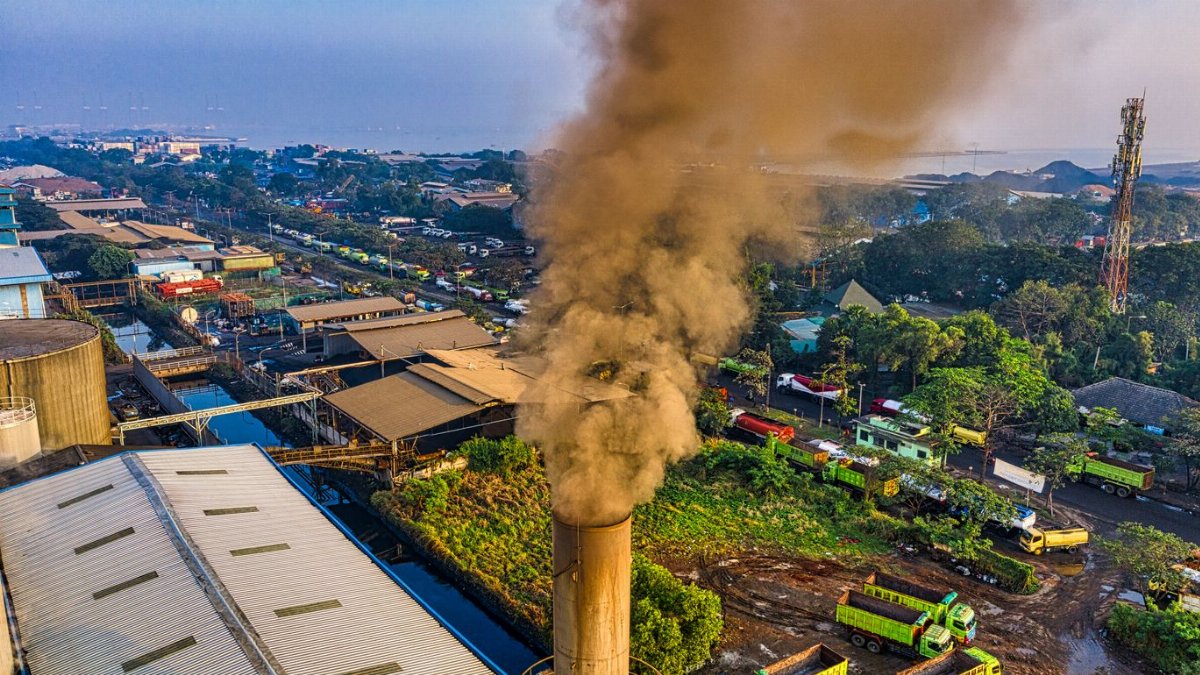
With the mandated changes underway attention turns to verification processes that will track progress over coming seasons. Success here could encourage similar reviews at other sites where industrial and residential zones overlap. Ultimately the focus remains on restoring a balanced environment where commerce and community life coexist more harmoniously. Continued dialogue will prove vital in adapting to any new developments that arise.