

In the sunlit corridors of Miami’s expanding skyline, where finance meets the sea, recent acts of large scale giving have drawn attention from across the nation. These efforts reflect deeper patterns in how wealth flows toward cultural preservation and environmental recovery. The story of Miami billionaire donations reveals connections between private resources and public institutions that extend far beyond local borders.
The Prominent Figures Driving These Gifts

Ken Griffin, founder of the hedge fund Citadel, has established a firm presence in Miami after relocating operations southward. His commitment to civic projects includes support for educational and historical archives. Jeff Bezos, known for building Amazon into a global enterprise, maintains interests in the region through various holdings. Together their choices highlight how individuals with substantial assets direct funds toward specific legacies rather than scattered causes.
Allocation Toward a Presidential Library Project
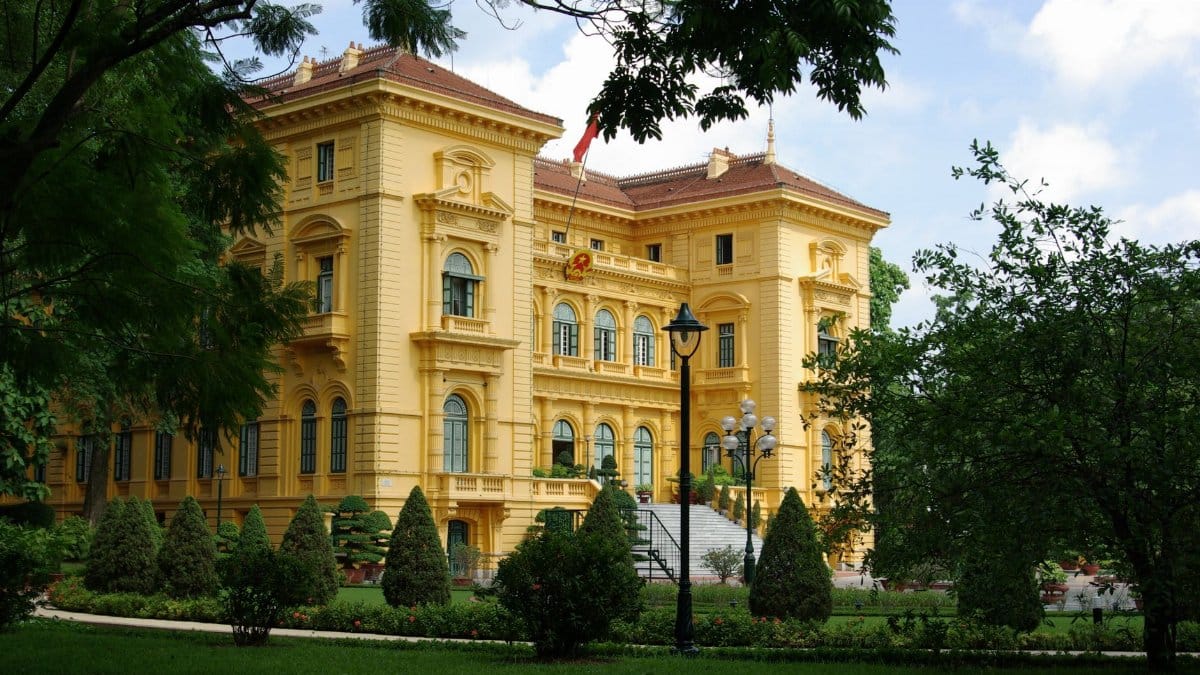
One portion of the recent giving supports the development of a presidential library aimed at preserving documents and artifacts from a key administration. This facility is expected to serve researchers and visitors seeking insight into policy decisions and historical events. The contribution underscores a focus on long term archival work that benefits scholars and the wider public interested in governance records.
Environmental Recovery Through a Major Fund
Another significant allocation establishes a recovery fund dedicated to protecting endangered species across multiple habitats. The two hundred million dollar commitment targets habitat restoration, research programs, and anti poaching measures. Organizers note that such resources can accelerate efforts already underway by smaller conservation groups facing funding gaps.
Historical Patterns in Florida Philanthropy
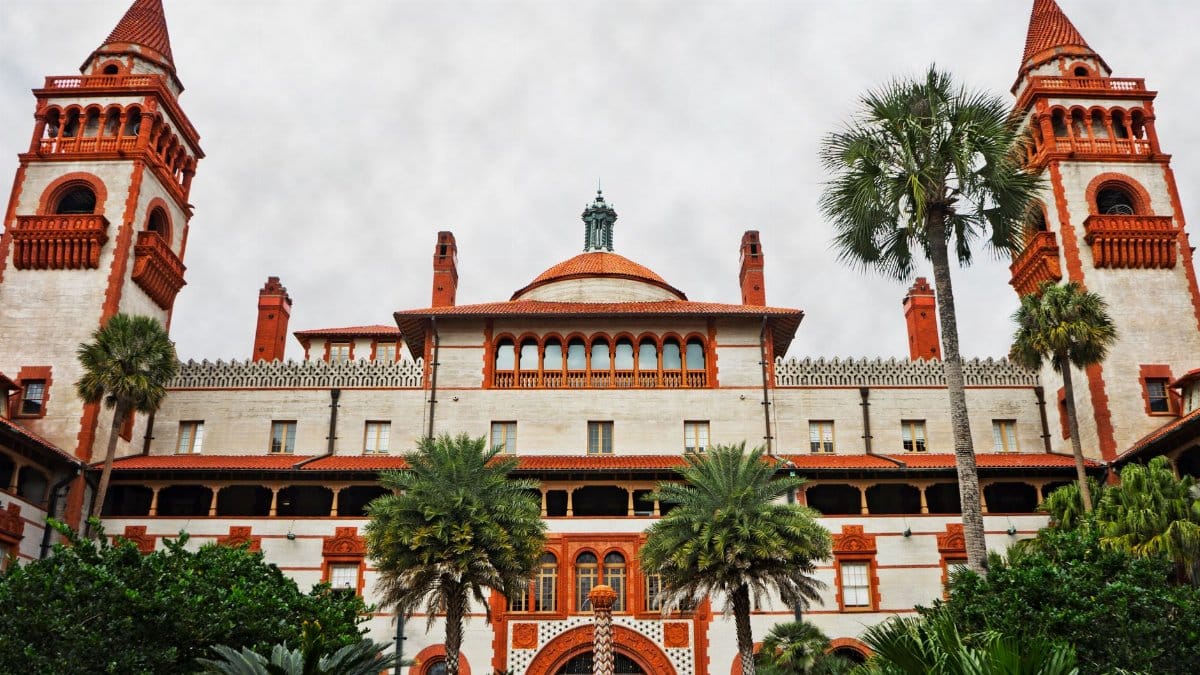
Florida has long attracted individuals seeking both business opportunities and ways to channel resources into lasting projects. Past examples include support for universities, medical centers, and arts institutions that continue to operate decades later. Current Miami billionaire donations fit within this tradition while addressing contemporary priorities such as digital archives and biodiversity.
Community Perspectives on the Announcements

Residents and local leaders in Miami have expressed a mix of appreciation and questions about how these funds will translate into tangible outcomes. Some point to potential job creation around construction and research roles. Others emphasize the need for transparent reporting to ensure the intended beneficiaries receive appropriate attention over time.
Connections to National Conservation Goals

The endangered species fund aligns with broader federal and international targets for reversing population declines in vulnerable wildlife. Experts involved describe coordinated strategies that combine land acquisition with monitoring technology. This approach allows for measurable progress that can be shared with similar initiatives elsewhere in the country.
Reflections on Wealth and Public Benefit

Observers often consider how private fortunes intersect with collective needs in an era of shifting economic landscapes. The choices made by Griffin and Bezos illustrate one path where personal priorities shape institutional support. Such decisions invite ongoing discussion about accountability and the balance between individual intent and societal expectations.
Looking Ahead at Sustained Impact

As planning proceeds for both the library and the recovery fund, timelines suggest phased rollouts over the coming years. Monitoring mechanisms are being developed to track progress and adjust strategies based on early results. The trajectory of Miami billionaire donations in this instance may influence how future contributors approach comparable opportunities in cultural and ecological fields.