
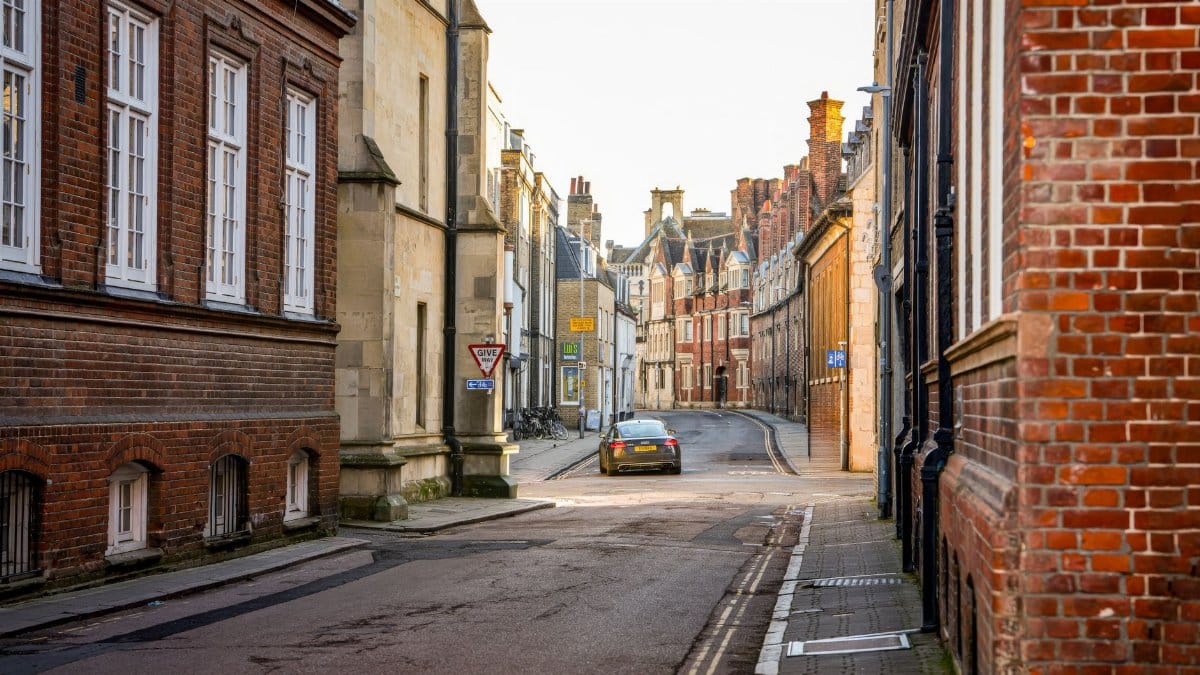
In a crowded chamber at Cambridge City Hall last month officials faced rows of residents holding signs and sharing stories of disrupted community gatherings. After months of mounting pressure the city leaders announced they would withdraw a zoning restriction that had limited outdoor assemblies in public parks. This Cambridge policy reverse came as a notable shift in approach for a municipality often seen as resistant to quick changes.
Origins of the Assembly Restriction

The initial rule emerged from concerns over noise levels and space management in several central parks. City planners argued that frequent events created wear on green areas and disturbed nearby homes. Approved earlier in the year the measure set strict caps on group sizes and required advance permits that many organizers found difficult to obtain.
Community Groups Mobilize

Local spiritual collectives and neighborhood associations quickly organized to voice opposition. Meditation circles weekly interfaith discussions and seasonal reflection sessions all faced cancellation risks under the new limits. Residents collected signatures and presented data showing that such gatherings fostered mental well being without significant disruption.
Public Meetings Reveal Divisions

Several heated forums followed the announcement of the restriction. Speakers described how the policy affected vulnerable populations who relied on open spaces for solace and connection. Others raised worries about precedent and whether similar controls might expand to other forms of expression.
Economic Ripple Effects Surface

Small cafes and shops near the parks reported drops in foot traffic once events became rarer. Organizers noted that permitted gatherings often drew visitors who supported local vendors. The Cambridge policy reverse therefore carried implications beyond social benefits reaching into the commercial fabric of adjacent streets.
Environmental Assessments Reviewed

City staff revisited earlier studies on park usage after critics pointed out that low impact activities like quiet group reflection produced minimal damage compared with larger festivals. Updated evaluations suggested that careful scheduling could protect landscapes while preserving access for meaningful community moments.
Broader Context of Civic Responsiveness

This development mirrors occasional adjustments seen in other Massachusetts municipalities where sustained resident feedback prompted policy adjustments. Observers note that transparency in revisiting rules can strengthen trust between officials and those they serve.
Perspectives from Regular Participants
Longtime attendees of park based reflection sessions expressed relief at the reversal. One regular described the spaces as essential for maintaining balance amid urban routines. Another highlighted how diverse age groups benefited from shared outdoor time that encouraged dialogue across backgrounds.
Media Role in Shaping Outcomes

Coverage in regional outlets amplified resident accounts and kept attention on the issue. Balanced reporting helped clarify misconceptions about event impacts while underscoring the value placed on inclusive public areas.
Implications for Future Planning

Planners now intend to incorporate more flexible guidelines that distinguish between high impact events and lower key spiritual or reflective uses. The Cambridge policy reverse offers a template for how data and dialogue can refine regulations without discarding core goals of preservation.
Reflections on Local Governance
Such adjustments underscore the dynamic nature of municipal decision making when communities engage persistently. Officials indicated openness to similar reviews in other areas if evidence supports reconsideration. This episode may encourage further participation in civic processes across the region.