
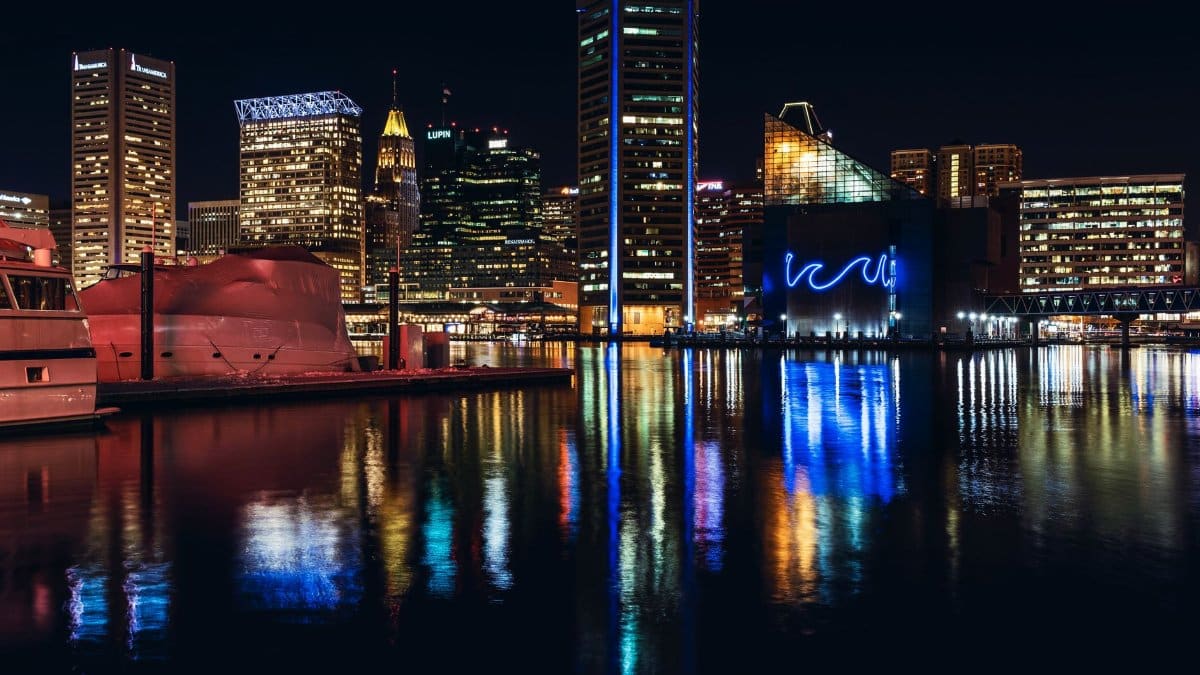
Divers and historians alike have long been drawn to the waters of Baltimore where the ebb and flow of tides conceal remnants of bygone days. In recent surveys of the area a range of artifacts has come to light revealing layers of the citys maritime heritage. The phrase Baltimore Inner Harbor finds captures the essence of these discoveries that range from everyday objects to more hazardous relics. Such items prompt reflection on how a bustling port evolves over generations while preserving echoes of its past beneath the surface.
Artifacts From Earlier Times
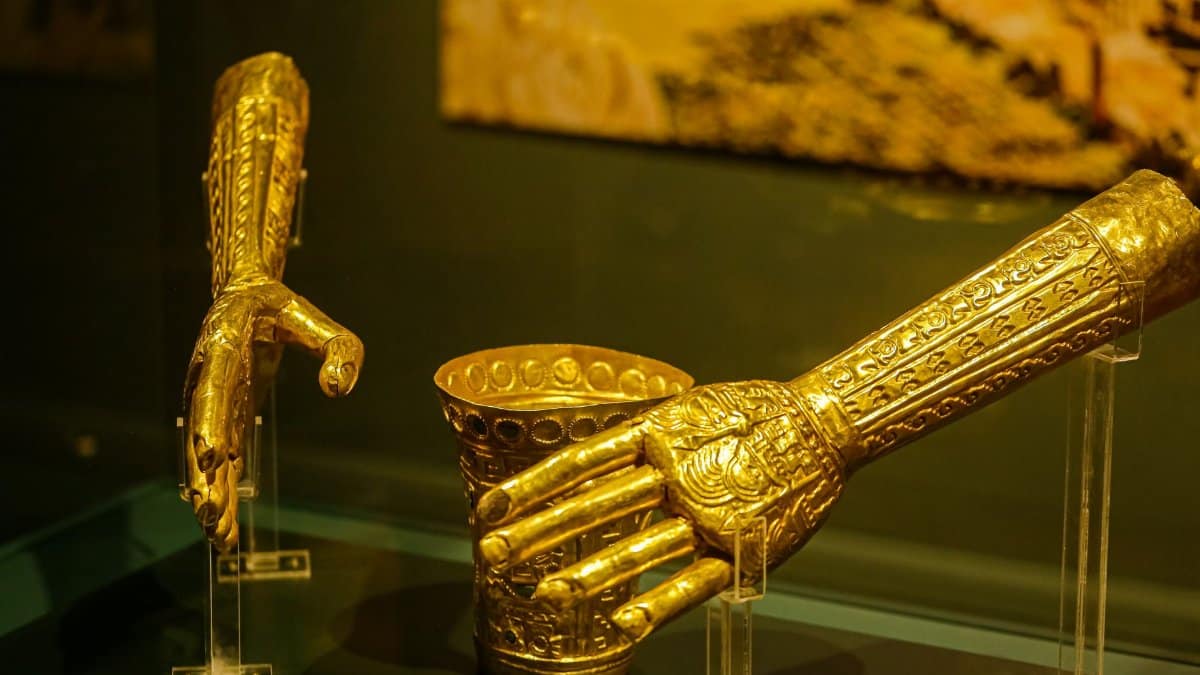
One striking recovery involves a Victorian bench that once offered rest to promenaders along the waterfront. Its ornate ironwork now encrusted with sediment tells of public spaces that served residents in the nineteenth century before urban changes altered the shoreline. Recovery teams noted the benchs solid construction which allowed it to survive submersion for decades.
Sunken Vessels And Their Stories
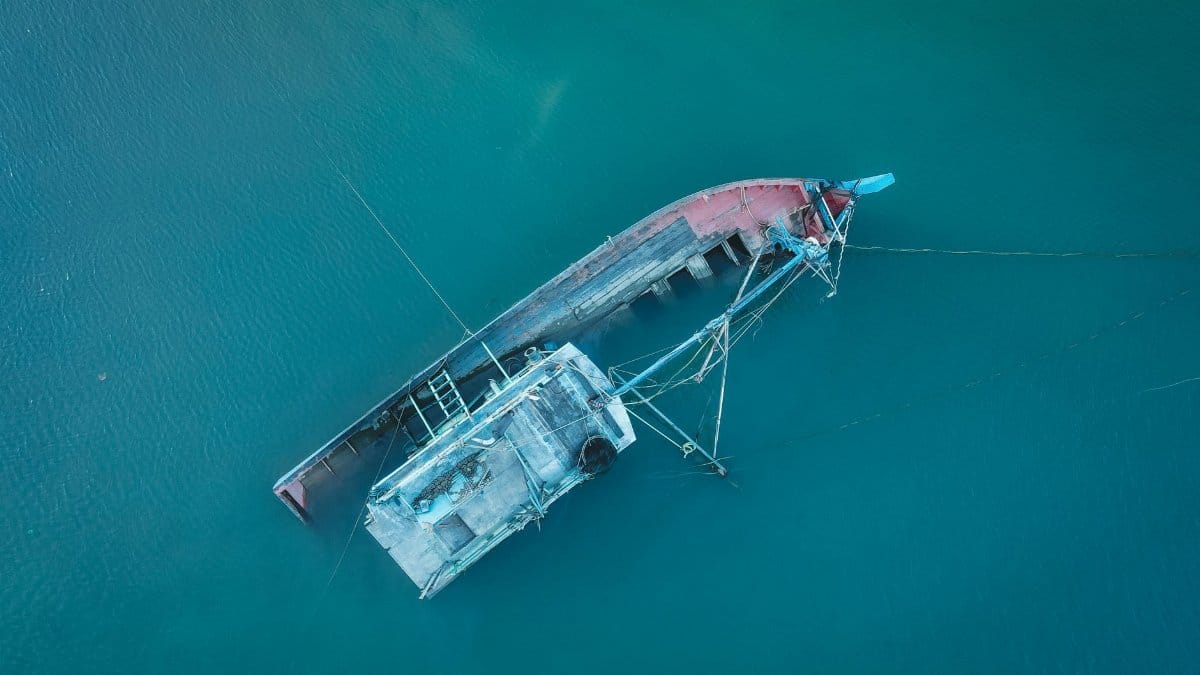
Several small craft lie on the harbor floor their wooden hulls slowly yielding to the currents. These vessels likely served local traders or fishermen whose daily routes crossed the same waters now explored by modern equipment. Archival records suggest many such boats were abandoned during periods of economic shift when larger ships took over commercial routes.
Unexpected Hazards Below

Among the more concerning Baltimore Inner Harbor finds are rounds of live ammunition scattered across sections of the bottom. Experts believe these date to military training exercises conducted in earlier decades when the area supported naval activities. Divers now map these locations carefully to ensure safe removal and prevent any risk to ongoing harbor operations.
Methods Of Modern Recovery

Teams employ sonar mapping and remotely operated vehicles to locate objects without disturbing the delicate ecosystem. Water clarity varies with seasons so operations often occur during calmer periods to maximize visibility. Each find undergoes documentation on site before careful extraction to preserve context for later study.
Community Reactions To The Finds
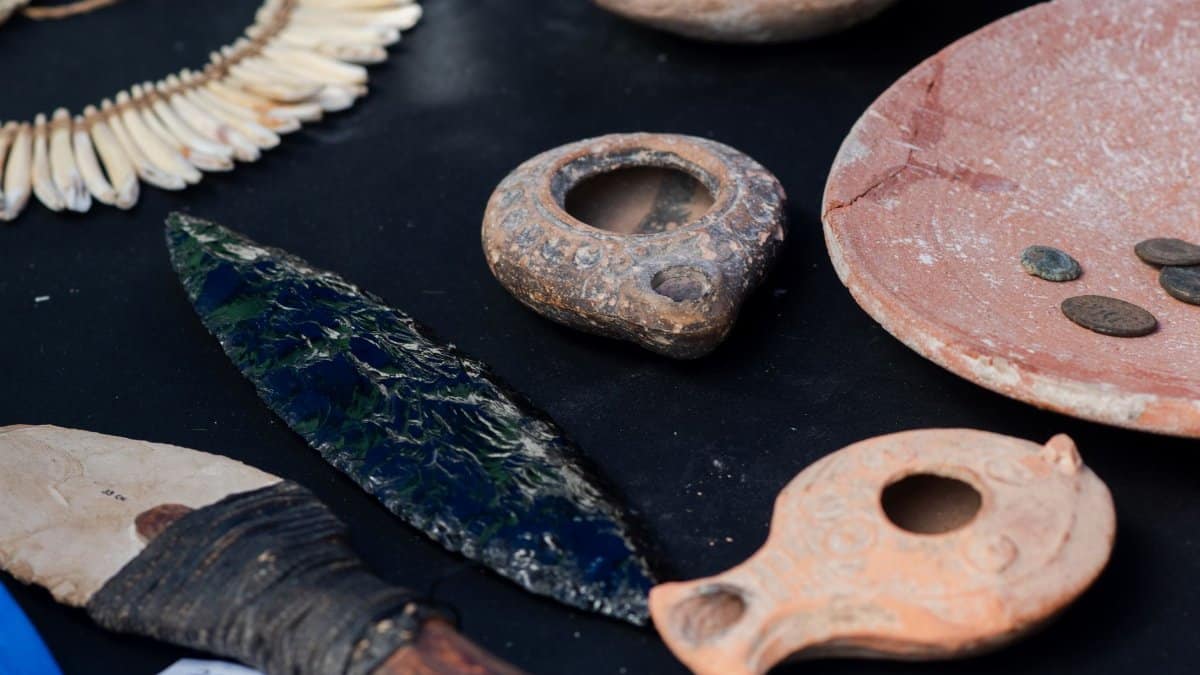
Local residents express a mix of fascination and concern when learning of the underwater collection. Some view the items as tangible links to family histories tied to the port while others worry about safety implications from the ammunition. Public meetings have addressed how to balance preservation with practical harbor maintenance needs.
Historical Context Of The Waterway
Baltimore has served as a key entry point for trade and migration since colonial times. The harbor floor accumulated debris through wars industrial growth and everyday use creating a layered record of human presence. Researchers compare these layers to similar sites in other East Coast ports to understand broader patterns of coastal development.
Future Plans For The Site
City officials discuss integrating select artifacts into museum displays while leaving less movable items in place under protective measures. Educational programs may highlight the discoveries to foster appreciation for local history among younger generations. Ongoing monitoring will track any shifts caused by weather or further sedimentation.
Environmental Considerations

Harbor cleanups must account for the interplay between artifacts and aquatic life. Certain objects provide shelter for fish and crustaceans yet others pose contamination risks if disturbed improperly. Balanced approaches aim to protect both cultural heritage and the natural balance of the waterway.
Broader Lessons From The Discoveries

These Baltimore Inner Harbor finds remind observers that urban waterways hold more than meets the eye. They encourage renewed attention to how past decisions shape present conditions and invite thoughtful planning for the future of shared public spaces. Similar projects elsewhere could yield comparable insights into regional identities.