
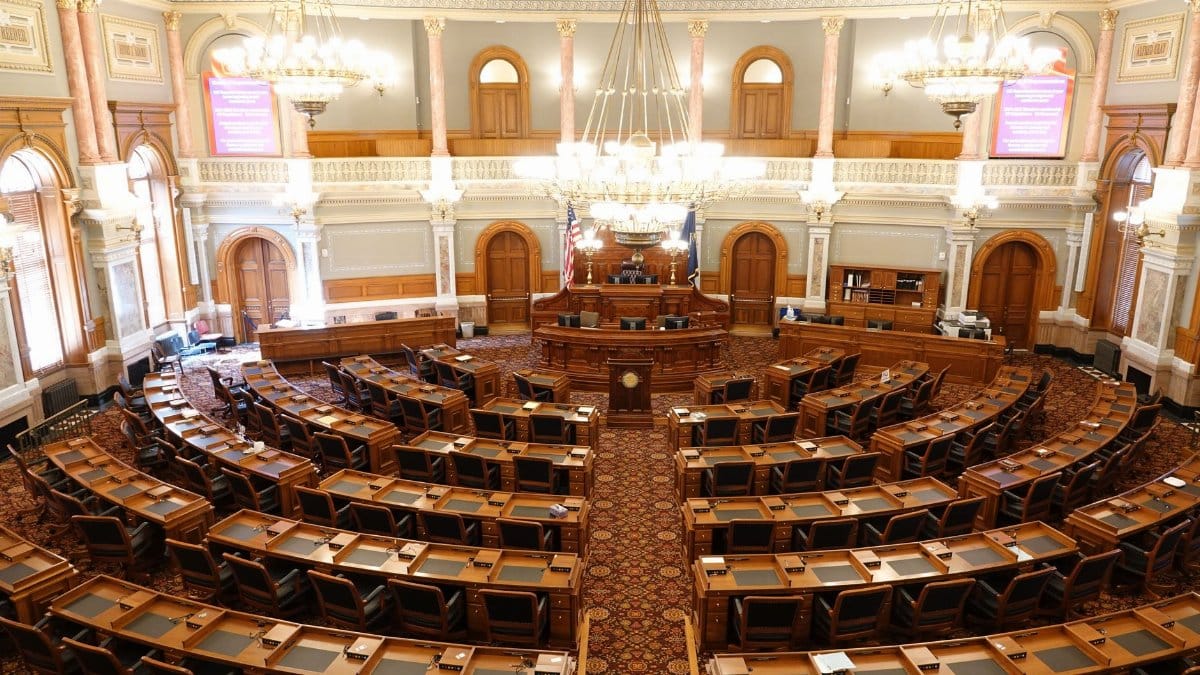
Lawmakers on Beacon Hill reached an important agreement this summer that reshapes how state and local authorities interact with federal immigration officials. After months of debate the measure known as the PROTECT Act compromise seeks to expand protections around sensitive locations while reducing the extent of local involvement in enforcement actions by Immigration and Customs Enforcement. Residents across the state watched closely as the final details took shape in late July of 2026.
Origins of the Measure

The bill emerged from concerns raised by advocacy groups and community leaders who argued that aggressive federal tactics were disrupting daily life in neighborhoods with large immigrant populations. Lawmakers from both parties spent weeks refining language to balance public safety needs against individual rights. The result reflects a careful effort to set clearer boundaries for cooperation between state agencies and federal officers.
Core Elements of the Agreement
Under the terms state police and local departments face new limits on sharing information or assisting in certain operations. Sensitive sites such as schools hospitals and places of worship receive added safeguards against routine enforcement activity. Sponsors described these steps as essential for maintaining trust between residents and local authorities.
Reactions from Community Groups

Advocates welcomed the changes as a meaningful step forward. They pointed to cases where families avoided seeking medical care or reporting crimes out of fear. At the same time some law enforcement unions expressed worry that reduced information flow could hinder investigations into serious offenses. Public forums held in several cities allowed residents to voice both support and reservations.
Effects on Local Police Practices

Departments across Massachusetts must now update training materials and internal policies to align with the new rules. Chiefs have begun reviewing existing agreements with federal partners. The adjustments aim to prevent unnecessary entanglement while still allowing officers to respond to immediate threats. Early reports suggest most agencies are adapting without major disruption.
Broader Context Across the Country

Similar debates have unfolded in other states where legislatures have considered limits on local participation in immigration matters. Massachusetts stands out for the breadth of locations it designates as off limits. Observers note that the approach could influence future discussions in state capitals elsewhere as courts continue to examine the reach of federal authority.
Role of Advocacy in Shaping Outcomes

Grassroots organizations played a visible part by organizing rallies and meeting with legislators. Their efforts helped highlight personal stories of individuals affected by prior enforcement practices. At the same time business groups and faith leaders added their perspectives during committee hearings. The final version shows traces of these varied inputs.
Potential Challenges in Implementation

State officials acknowledge that putting the rules into practice will require ongoing oversight. Questions remain about how quickly agencies can revise procedures and about the resources needed for proper training. Some analysts predict minor delays as departments work through the details in the coming months.
Looking Ahead for State Policy

The passage of the PROTECT Act compromise marks a notable development in state level approaches to immigration enforcement. Lawmakers have signaled interest in monitoring results over the next year and adjusting as needed. Residents and officials alike will watch how the balance between local autonomy and federal priorities evolves in practice. The experience may offer lessons for other states facing comparable pressures.