
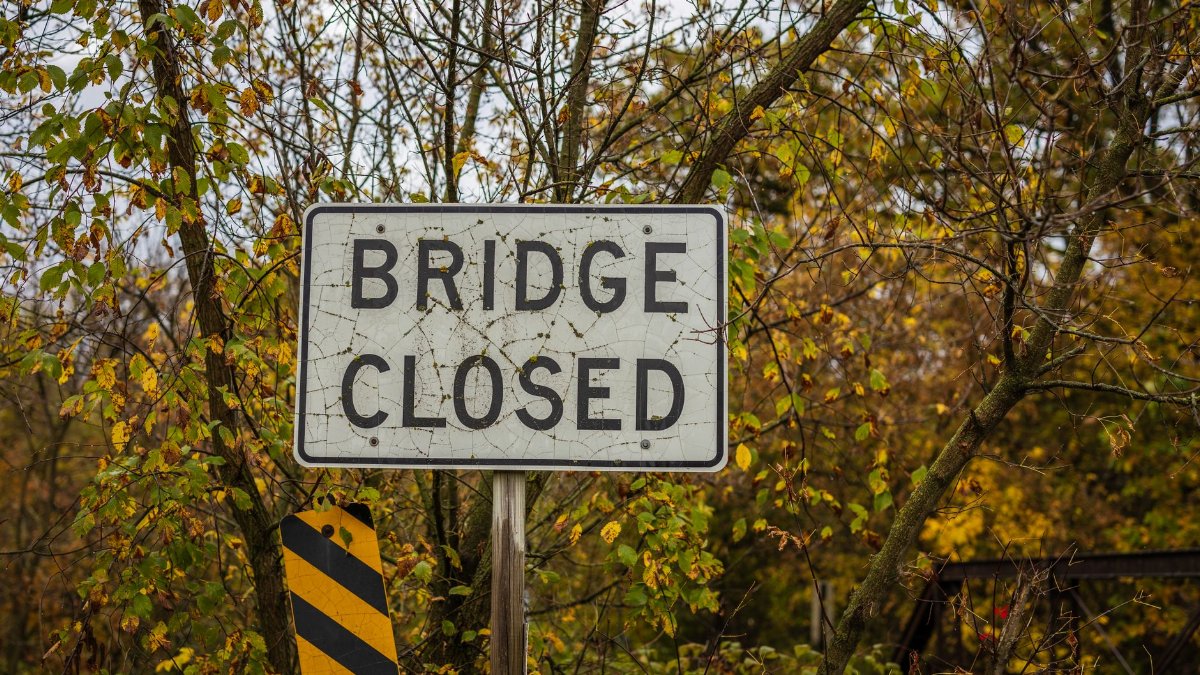
Commuters who travel regularly through the northern reaches of the Bay Area have grown accustomed to reliable infrastructure that supports their movements each day. News of an upcoming project that will halt traffic on a key crossing has prompted many to reconsider their routes and schedules. The Al Zampa Bridge closure will last for fifty three hours during August of two thousand twenty six as crews undertake necessary repaving work on Interstate 80. Officials emphasize that advance notice allows families and businesses to adapt without undue hardship. This measure reflects broader efforts to keep vital transportation links in good condition amid heavy use and environmental pressures.
Historical Role of the Crossing

The span has served as an essential connection since its opening decades ago linking communities on either side of the strait. Travelers have depended on it for work commutes commerce and personal visits that sustain regional ties. Its design addressed the needs of growing populations in the postwar era when automobile travel expanded rapidly.
Reasons Behind the Repaving Project

Engineers identified surface wear that could compromise safety if left unaddressed. Weather cycles and constant vehicle loads accelerate deterioration on such structures. The chosen approach minimizes long term risks while completing the task in one concentrated effort rather than repeated shorter stops.
Impact on Daily Commuters
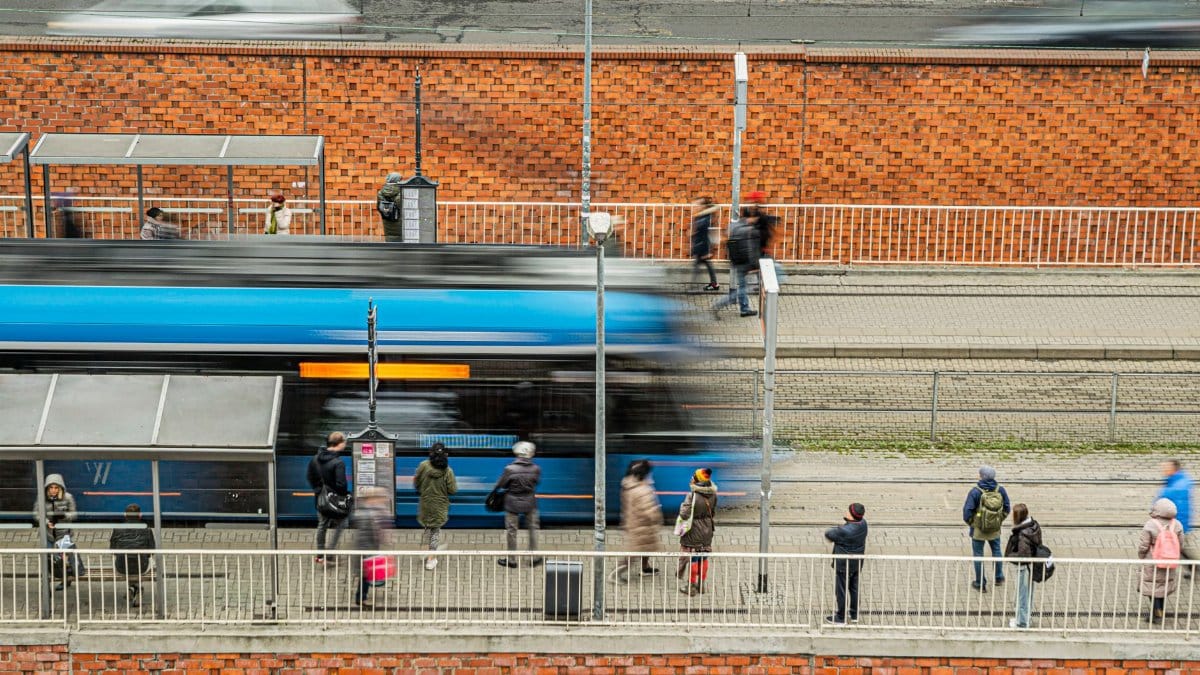
Those who cross each morning or evening will face added travel time during the period. Alternative paths exist yet they involve detours that may extend journeys by thirty minutes or more depending on destination. Local transit agencies plan extra bus services to ease the load on roads.
Business Community Preparations

Firms along the corridor review delivery schedules to avoid disruptions to supply chains. Some anticipate shifts in customer patterns as people alter shopping or dining habits during the affected window. Advance coordination with logistics partners helps limit economic ripple effects.
Environmental Considerations in Planning
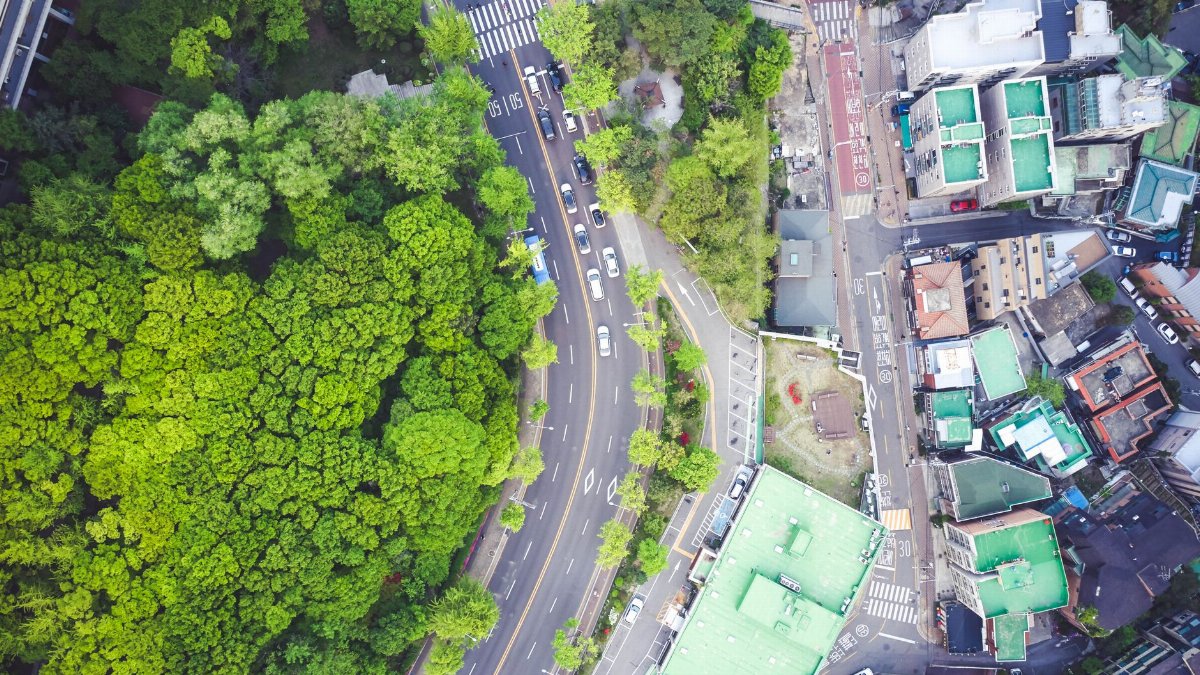
Planners account for potential increases in emissions from idling vehicles on detour routes. Measures include timing the work to coincide with lower traffic volumes where possible. Such steps align with regional goals for cleaner air and reduced congestion overall.
Community Resilience and Adaptation
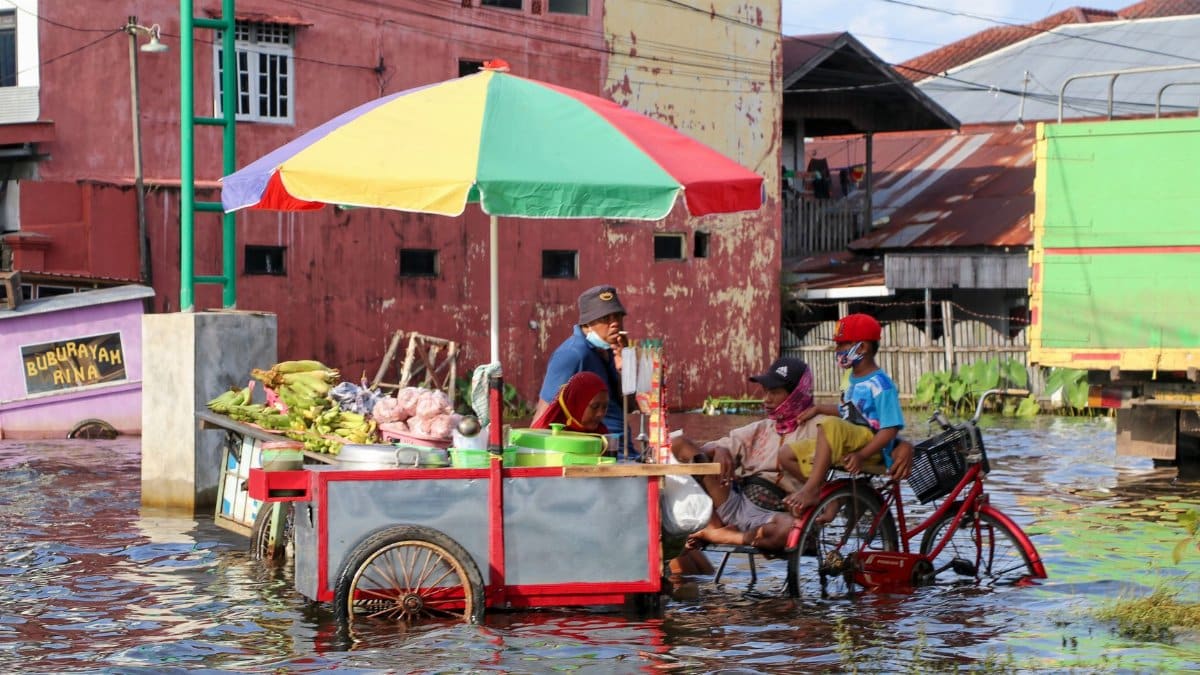
Residents often demonstrate resourcefulness when facing infrastructure changes by forming carpools or exploring public options. Stories from past projects show how neighborhoods pull together to support one another through temporary inconveniences. This spirit underscores the human side of public works.
Lessons from Previous Maintenance Efforts

Similar closures on other California spans provided valuable data on traffic flow management. Agencies refined communication strategies based on driver feedback from those events. The current plan incorporates those improvements for smoother execution.
Future Outlook for Regional Infrastructure

Ongoing investments aim to extend the lifespan of key routes while accommodating population growth. Discussions continue about additional crossings or upgrades that could offer redundancy. Such foresight supports sustained mobility for generations ahead.