
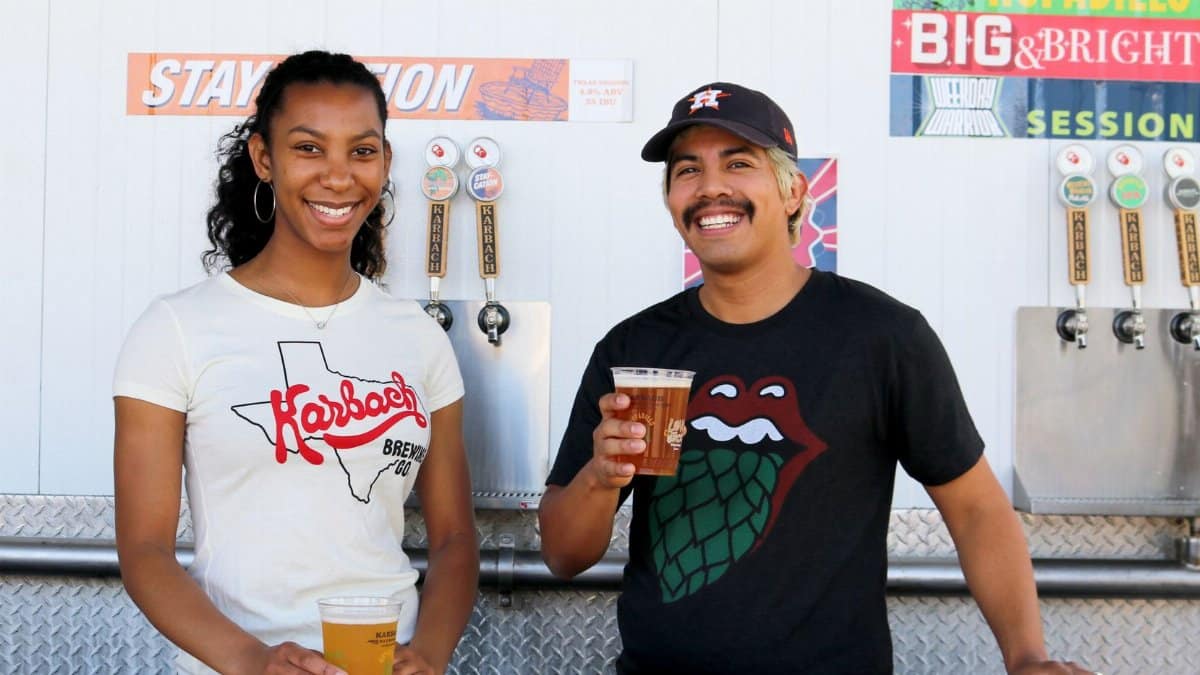
In the heart of Dallas, where craft beer has long drawn crowds seeking local flavors and community gatherings, the announcement that Texas Ale Project closes marks another shift in an industry facing mounting pressures. This development follows several other brewery shutdowns across the state, raising questions about sustainability amid rising costs and changing consumer habits. Observers note that such closures reflect broader challenges rather than isolated events, as operators grapple with supply chain issues and evolving tastes. The loss of this particular spot, known for its approachable ales and neighborhood vibe, leaves regulars reflecting on what the future holds for similar venues.
Background on the Brewery Operations
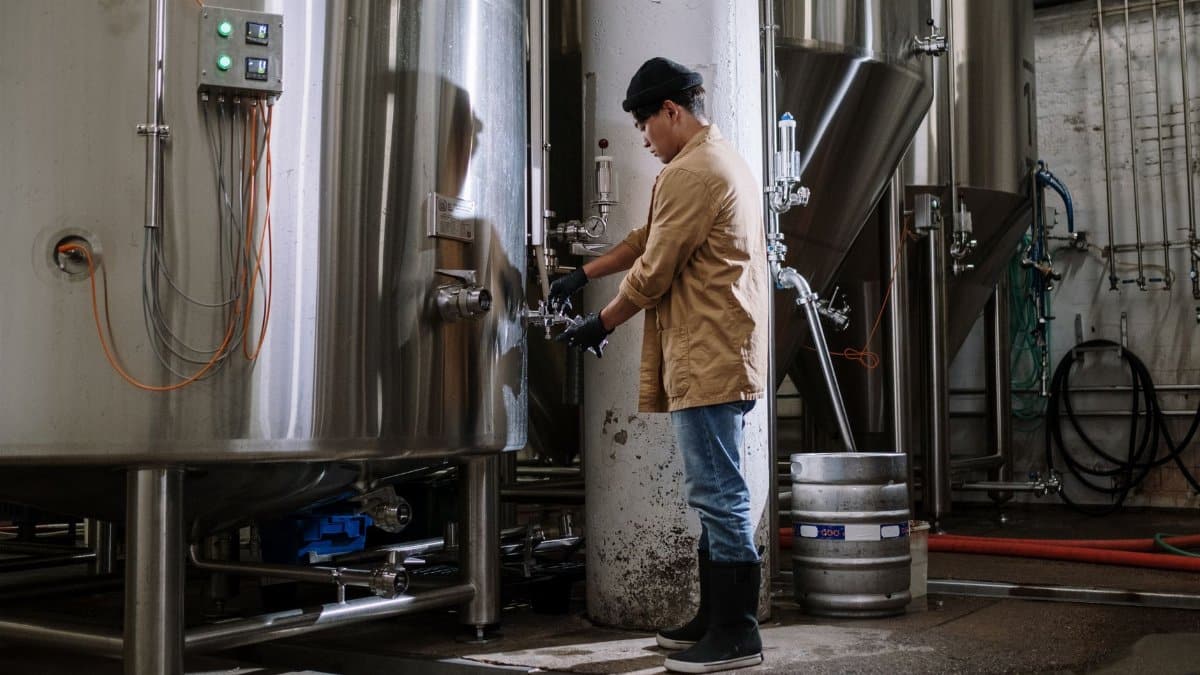
Texas Ale Project operated for over a decade in a converted space that emphasized straightforward brewing techniques. Founders focused on recipes that appealed to a wide range of drinkers, from light session beers to more robust options. The facility hosted events that brought together families and friends, contributing to the local social fabric without relying on flashy trends.
Economic Factors Influencing Closures
Rising ingredient prices have strained many small producers in recent years. Labor shortages and increased rent in urban areas add further burdens. Industry reports from the Brewers Association highlight how these elements combine to make profitability elusive for newer or mid sized operations. Texas Ale Project closes as one example among several that illustrate these patterns across Texas.
Shifts in Consumer Preferences

Drinkers increasingly turn toward ready to drink options or nonalcoholic alternatives available in stores. This move away from on site taprooms reduces foot traffic at dedicated breweries. Data from market analysts shows a preference for convenience over experiential visits, particularly among younger adults who once formed a core audience.
Role of Local Regulations

State laws governing alcohol distribution create hurdles for craft producers seeking wider reach. Limits on self distribution and competition from larger national brands complicate growth strategies. Operators in Dallas have voiced concerns that these rules favor established players, leaving smaller entities vulnerable during downturns.
Community Response to the News

Patrons have shared memories of gatherings at the site through social channels and local forums. Some express plans to support remaining breweries by attending events more frequently. Others wonder if the space might attract a new tenant in the same vein, preserving a bit of the original character.
Comparisons With Past Industry Downturns
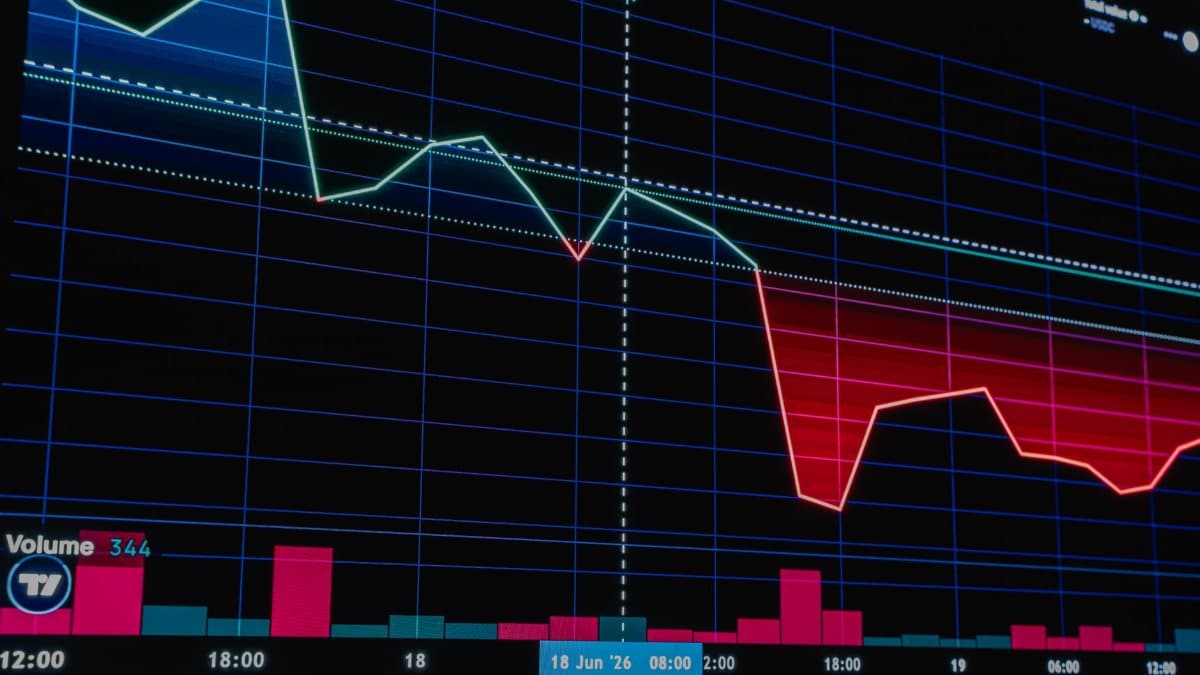
Similar waves of closures occurred around a decade ago when the craft segment expanded rapidly then contracted. Lessons from that period include the value of diversification into food service or merchandise. Current conditions differ due to post pandemic adjustments in spending and remote work patterns affecting urban foot traffic.
Implications for Texas Craft Beer Scene
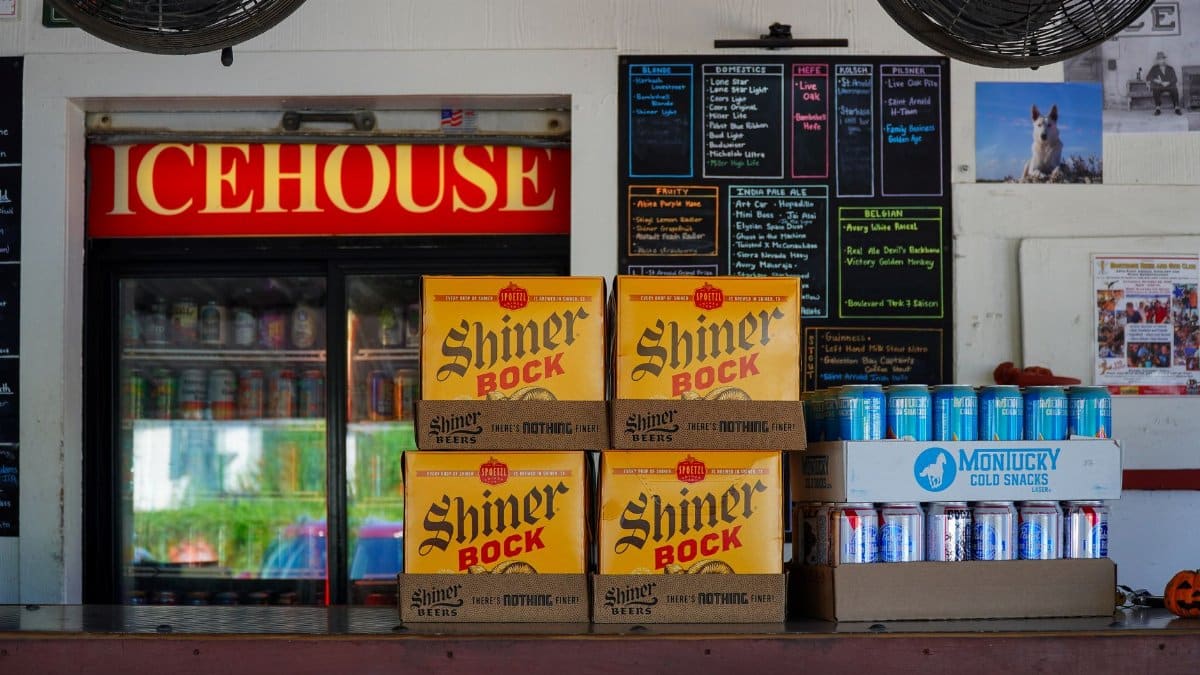
The departure of Texas Ale Project closes one chapter but does not signal the end of the sector statewide. Remaining players may consolidate or innovate in areas like sustainability practices to attract loyal followings. Broader economic recovery could ease some pressures if ingredient costs stabilize.
Perspectives From Industry Observers

Experts suggest that success now hinges on strong branding and direct customer engagement rather than volume alone. Partnerships with restaurants or festivals offer alternative revenue streams. This approach has sustained a number of peers facing parallel difficulties.
Future Outlook for Similar Ventures

New entrants must navigate higher barriers to entry including equipment expenses and marketing needs. Established names with diversified portfolios appear better positioned. The overall landscape points toward fewer but potentially more resilient operations in the years ahead.