
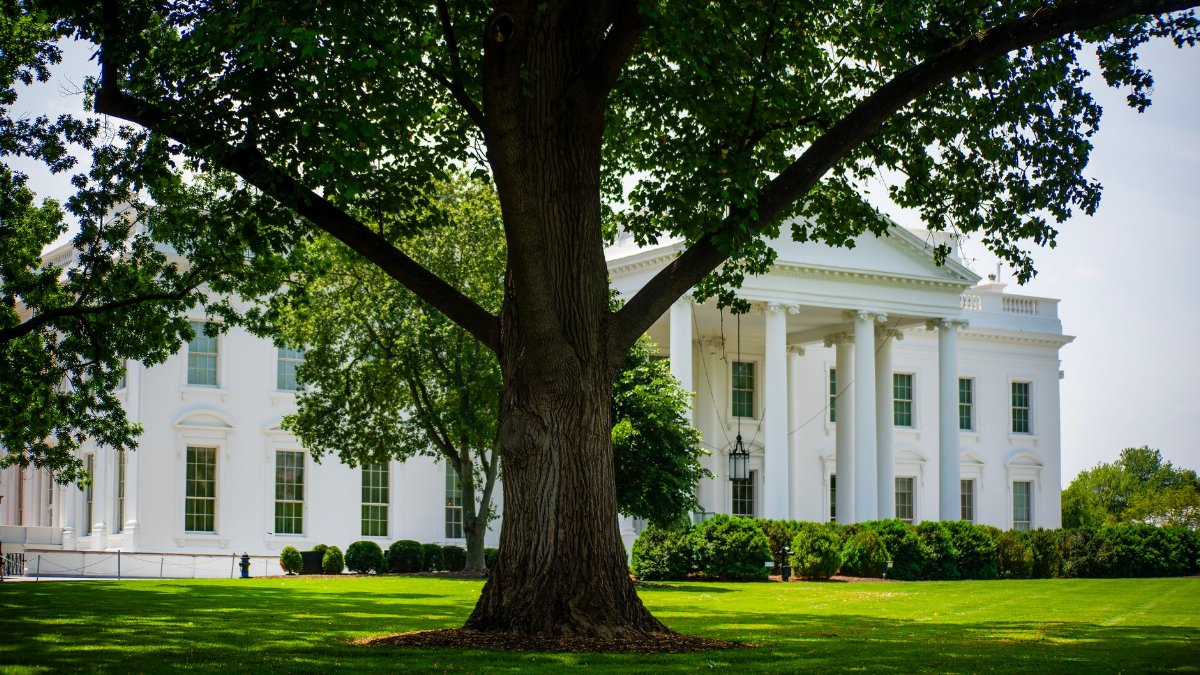
A recent assessment from the National Park Service has drawn attention to a proposed monumental structure in the capital city. Preservation experts warn that such an addition could overshadow and alter the setting of longstanding landmarks along the National Mall. The concept known as Trump arch Washington has entered public discussion at a time when officials weigh new commemorative projects against the need to protect the historic character of the area.
Background on Memorial Proposals in the Capital
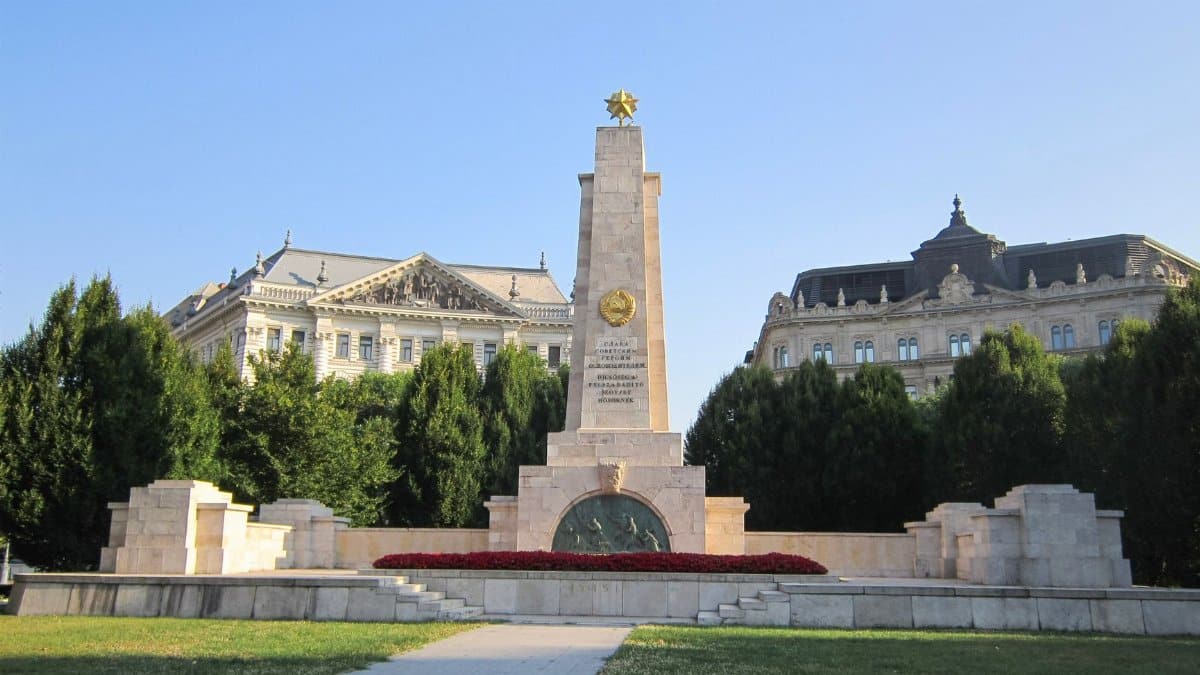
Washington has long hosted debates over new monuments. Each addition must balance commemoration with respect for existing sites. The current proposal stands out due to its size and placement considerations. Officials note that past projects underwent extensive review to avoid conflicts with the city layout.
Details of the Two Hundred Fifty Foot Design
The structure would reach two hundred fifty foot in height according to plans. Such dimensions exceed many surrounding features in the vicinity. Reviewers point out that the height could change sight lines across open spaces. This aspect forms a central point in the ongoing evaluation process.
Potential Effects on Nearby Landmarks
The report identifies risks to several well recognized locations. Structures such as the Lincoln Memorial and surrounding areas could face altered views. Experts emphasize that even subtle shifts in the environment might affect visitor experience over time. Preservation groups have voiced support for further study before any approval.
Role of the National Park Service Assessment
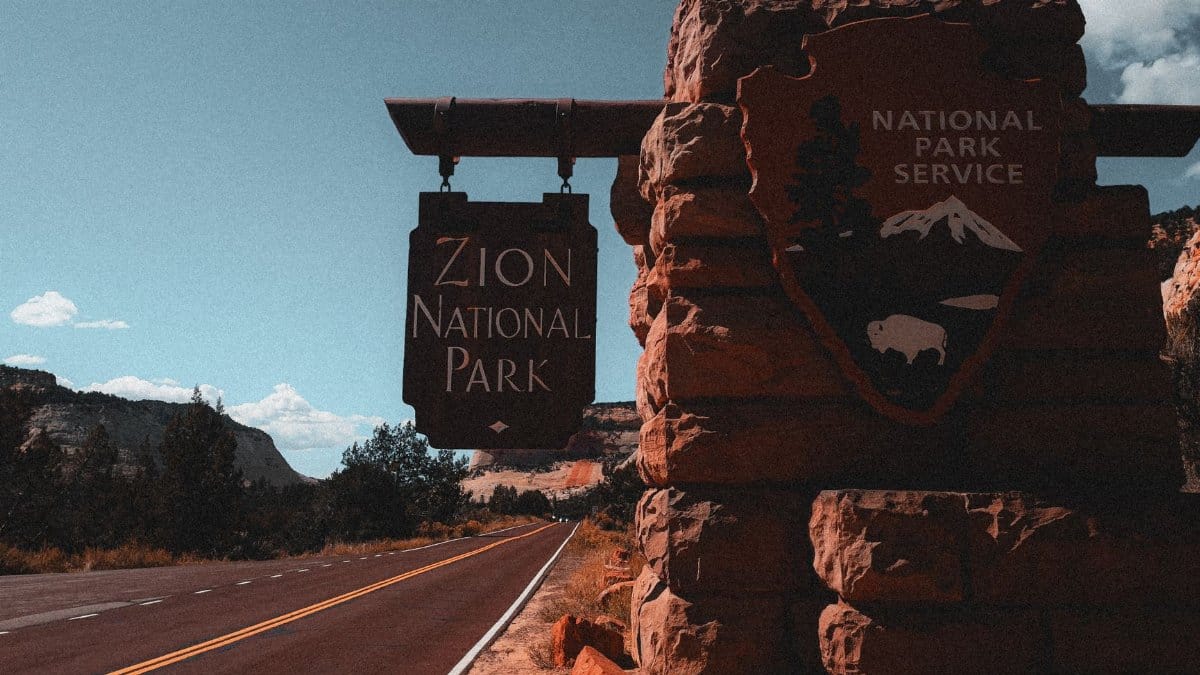
The agency conducted an analysis of possible impacts from the project. Its findings highlight concerns about integration with the existing urban plan. The document serves as a reference for decision makers reviewing the concept of Trump arch Washington. Additional input from architects and historians is expected in coming months.
Public Reactions and Community Input
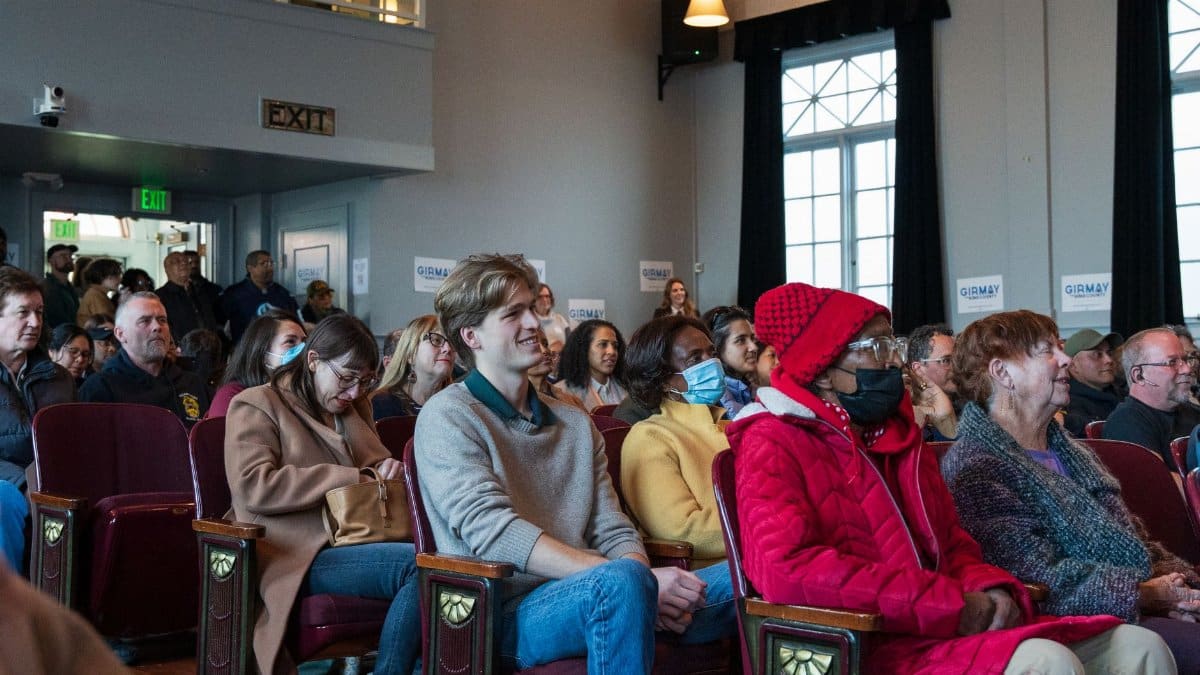
Residents and advocacy organizations have begun sharing perspectives on the idea. Some express support for new memorials while others stress caution. Meetings have allowed discussion of how Trump arch Washington fits into broader city development. Feedback continues to shape the conversation around the proposal.
Comparison With Existing Monuments
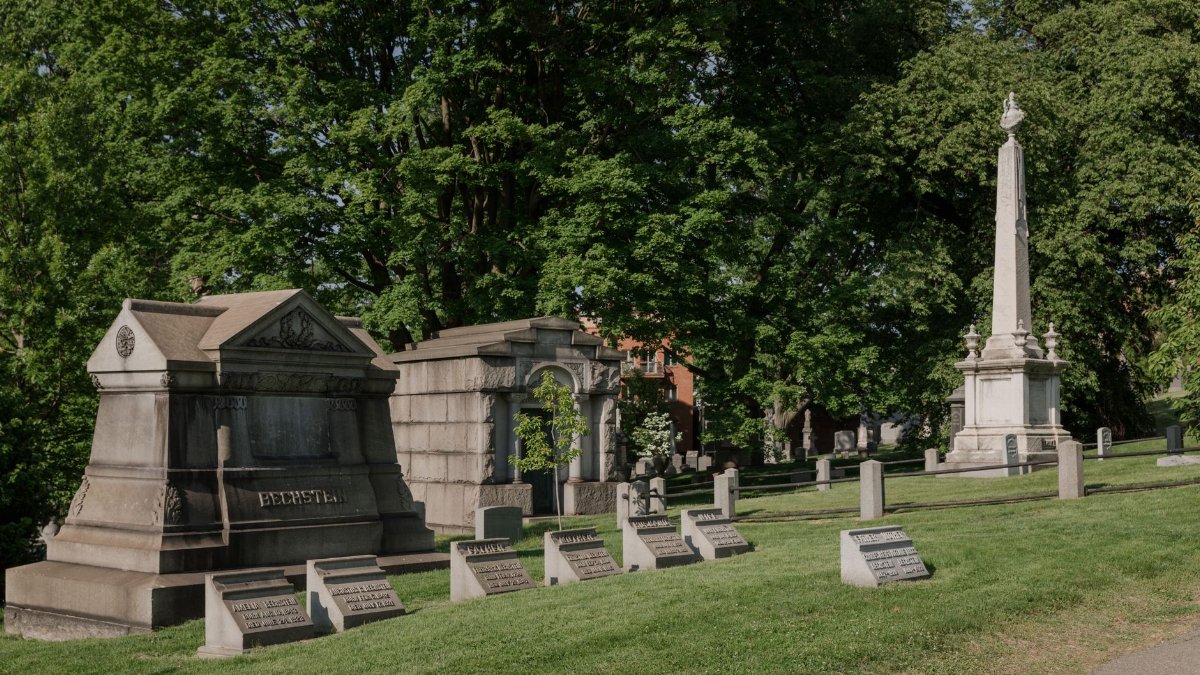
Current memorials vary in scale and design approach. The proposed arch differs from many in both form and prominence. Analysts suggest that such distinctions require careful placement to maintain harmony. Lessons from earlier constructions inform present considerations.
Next Steps in the Review Process
Further evaluations will examine engineering and environmental factors. The process includes opportunities for revised plans based on findings. Trump arch Washington remains subject to these reviews before moving ahead. Coordination among agencies will play a key part in outcomes.
Broader Implications for Future Projects

The current case may influence how similar ideas are handled going forward. It underscores the tension between innovation and preservation in public spaces. Observers note that balanced approaches can support both new tributes and historical integrity. Ongoing dialogue will likely guide policy in this area.