
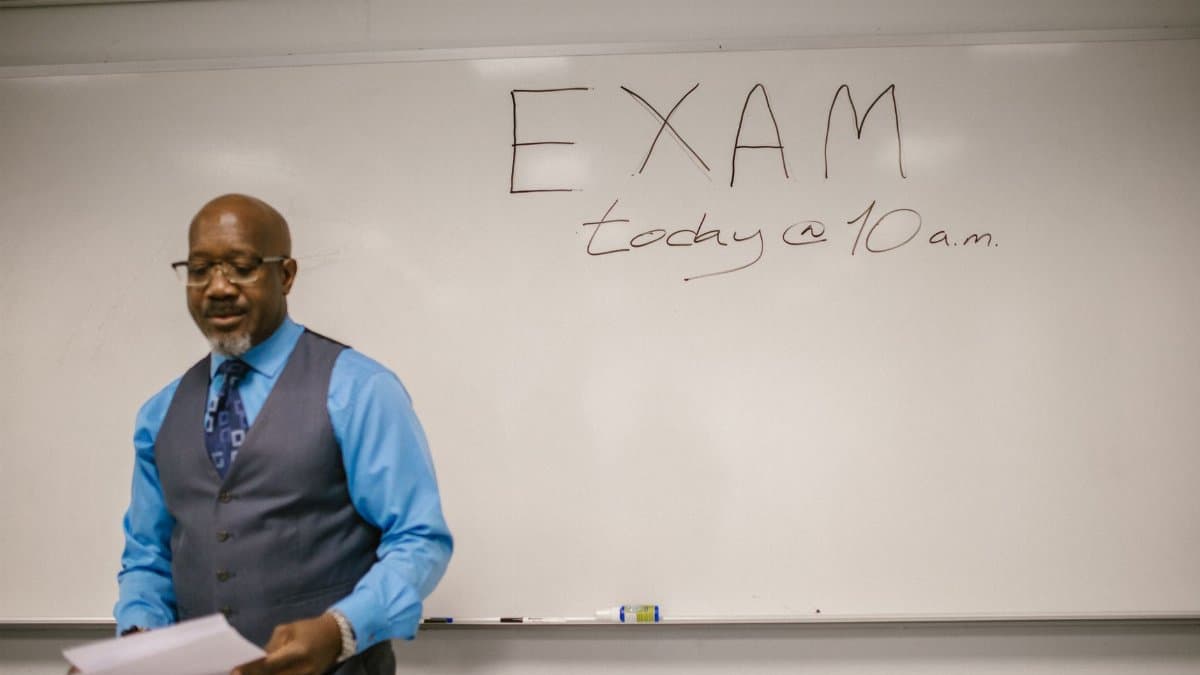
In recent years tensions have grown across college campuses regarding what instructors may or may not discuss in their courses. A notable case has now emerged from Texas where educators challenge administrative rules that demand advance clearance for material touching on race gender or sexual orientation. The Texas A&M classroom lawsuit brings these issues into sharp focus as professors argue that such oversight stifles open inquiry and violates established principles of free expression in higher learning.
The Origins of the Conflict

Faculty at several institutions within the Texas A&M system began to voice concerns after new guidelines required them to submit course proposals for review whenever topics involved identity or social issues. These rules appeared amid wider state level debates over curriculum content. Professors claim the measures create an atmosphere of caution that discourages thorough exploration of complex subjects essential to fields like sociology history and literature.
Details of the Policies in Question

The guidelines mandate prior approval from department heads or higher administrators before any class session can cover certain themes. Instructors must outline potential discussions in advance and justify their inclusion. Supporters of the approach maintain that it promotes balance and shields students from unexpected content. Critics counter that the process functions as prior restraint and places an undue burden on academic staff who must navigate vague criteria.
Role of the American Association of University Professors

The American Association of University Professors joined the suit as a plaintiff alongside individual faculty members. This organization has long advocated for protections that allow scholars to teach without fear of political interference. Its involvement signals that the Texas A&M classroom lawsuit represents more than a local dispute and touches on nationwide standards for faculty rights.
Potential Effects on Academic Freedom

Legal experts note that the case could set precedents for how public universities manage classroom speech. If the court sides with the professors it may limit administrative reach into course design. Conversely a ruling favoring the system could encourage similar policies elsewhere and prompt instructors to self censor even on well established scholarly material.
Reactions from Faculty Members

Many teachers describe the approval requirement as disruptive to spontaneous dialogue that often arises in seminars. One professor explained that genuine learning occurs when students raise unexpected questions yet the rules make it risky to pursue those threads without prior sign off. Others worry that the policy disproportionately affects courses in the humanities and social sciences where identity topics surface naturally.
Broader Implications for Texas Universities
Beyond Texas A&M the lawsuit may influence practices at other state supported schools facing comparable pressures. Administrators elsewhere watch closely as they weigh their own compliance strategies. The outcome could reshape how Texas institutions approach diversity related content and whether they continue to offer robust selections in those areas.
Legal Arguments Presented

Attorneys for the plaintiffs assert that the policies breach First Amendment protections by imposing viewpoint discrimination. They point to the selective scrutiny applied only to certain subjects while other controversial themes escape review. Defense counsel responds that the system acts as an employer with authority to direct its workforce and ensure educational quality across all offerings.
Future Outlook for Classroom Discussions

Observers anticipate that resolution of the Texas A&M classroom lawsuit will arrive after months of proceedings and possible appeals. In the meantime faculty continue to adjust their syllabi while monitoring developments. The episode underscores ongoing friction between institutional oversight and the tradition of unfettered academic exploration that has defined American higher education for generations.