

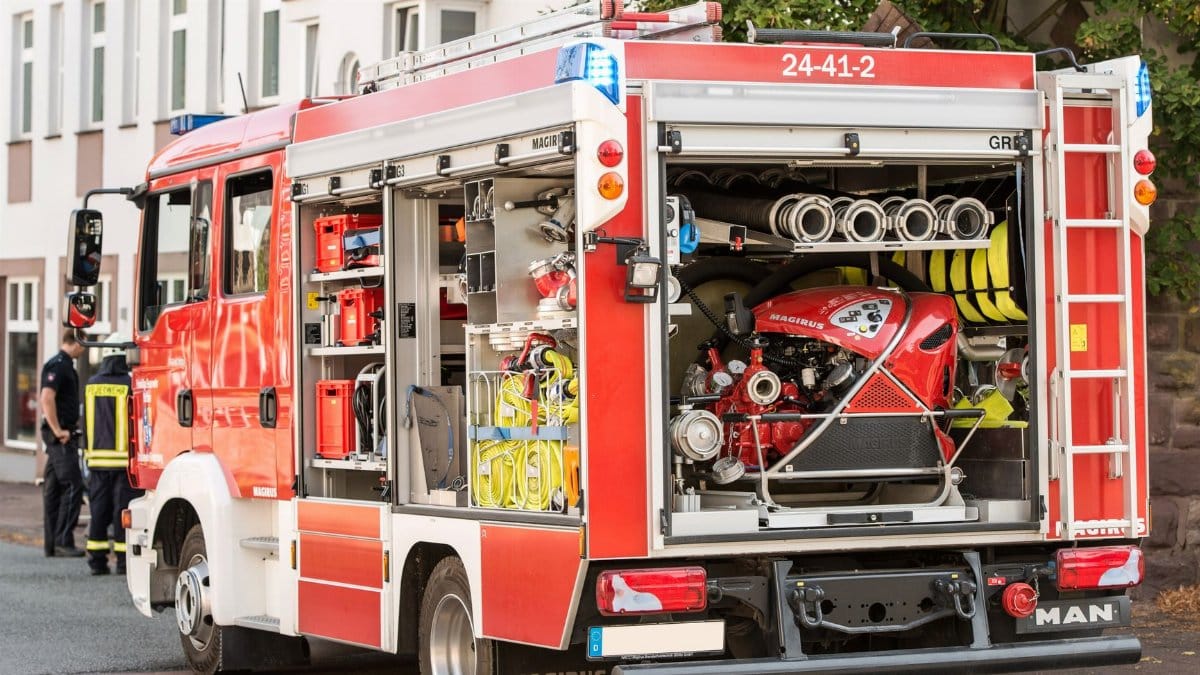
In the aftermath of a heartbreaking incident that claimed the life of a dedicated law enforcement officer, communities along major Texas routes are confronting how best to shield those who respond to emergencies. The conversation has turned toward practical tools that could alter outcomes at chaotic scenes. Officials in one county north of Houston are weighing options including mobile barriers I-45 to create safer perimeters during crashes and investigations.
Recalling the Events That Prompted Fresh Consideration

The death of Deputy Erika Serrato in June 2026 occurred while she assisted at a collision site along a heavily traveled corridor. Witnesses described fast moving traffic that narrowed the space available for emergency workers. Her passing left colleagues and residents questioning whether additional physical protections might have changed the result. County leaders responded by reviewing equipment already used in other regions.
Understanding How Mobile Barriers Function on Busy Highways
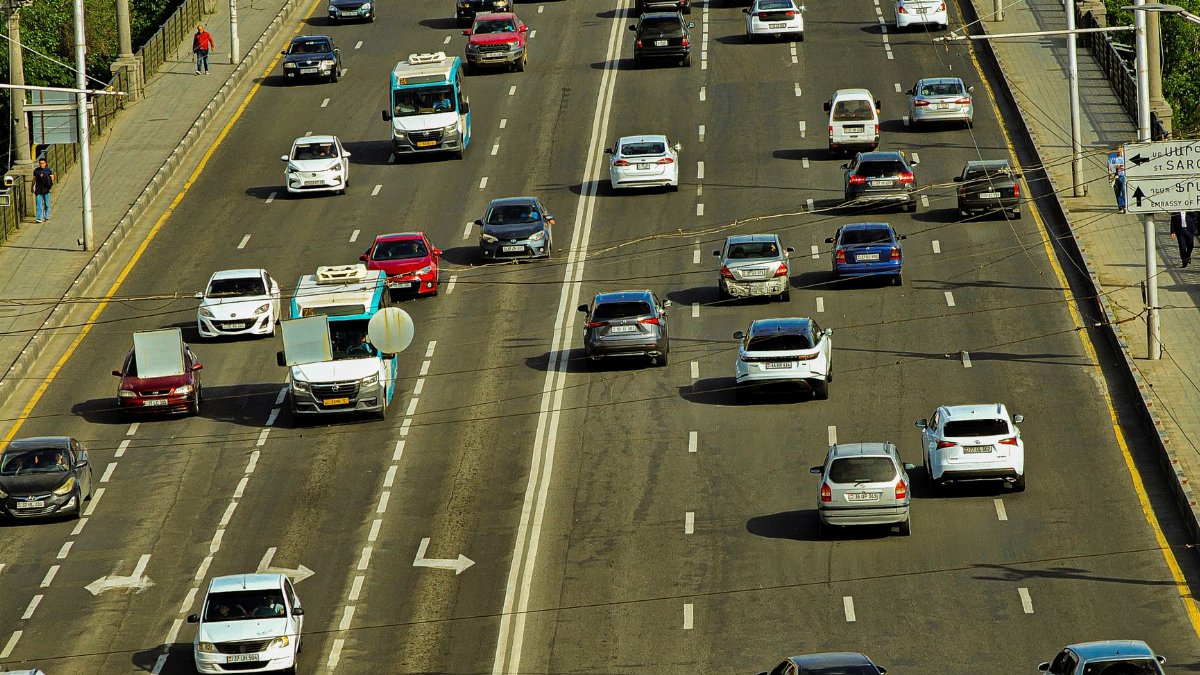
These devices typically consist of sturdy panels or vehicles positioned to divert oncoming cars away from stopped responders. They can be deployed quickly and moved as needed once a situation stabilizes. Unlike permanent guardrails they offer flexibility at temporary sites. Agencies that have adopted similar systems report fewer close calls for personnel on the ground.
Reviewing Practices in Neighboring Jurisdictions

Departments in larger urban areas have tested comparable setups for several years. Data from those trials show measurable drops in secondary incidents when barriers are present. Montgomery County officials have studied those examples to gauge suitability for their own roads. Conversations with peers in Harris County provided insights into maintenance costs and training requirements.
Weighing Financial Implications for Local Taxpayers

Any purchase of new equipment requires budget allocations that compete with other public safety needs. Commissioners are examining grant opportunities alongside local funds to cover initial outlays. Long term savings from reduced injuries could offset some expenses though precise figures remain under study. Public meetings have given residents a chance to voice support or concerns about spending priorities.
Exploring Training Needs for Effective Deployment
Equipment alone does not guarantee protection. Deputies and fire personnel would require instruction on proper placement and rapid setup under pressure. Simulations conducted in other states demonstrate that repeated drills improve response times and positioning accuracy. County trainers are already mapping out programs that could be integrated into existing certification courses.
Considering Community Views on Roadway Safety Enhancements

Residents who travel the corridor daily have expressed a mix of hope and caution. Some see the barriers as a logical step toward honoring the service of fallen officers. Others wonder about potential delays during peak travel periods. Forums hosted by the sheriff office have allowed open exchanges that inform the decision process.
Assessing Potential Effects on Traffic Flow During Incidents
Proper use of barriers aims to maintain movement in unaffected lanes while shielding the work zone. Engineers note that strategic angling can reduce rubbernecking that often worsens congestion. Early models suggest minimal added disruption when crews coordinate with transportation departments. Ongoing evaluations will track real world performance once any systems are acquired.
Reflecting on the Broader Duty to Protect Public Servants
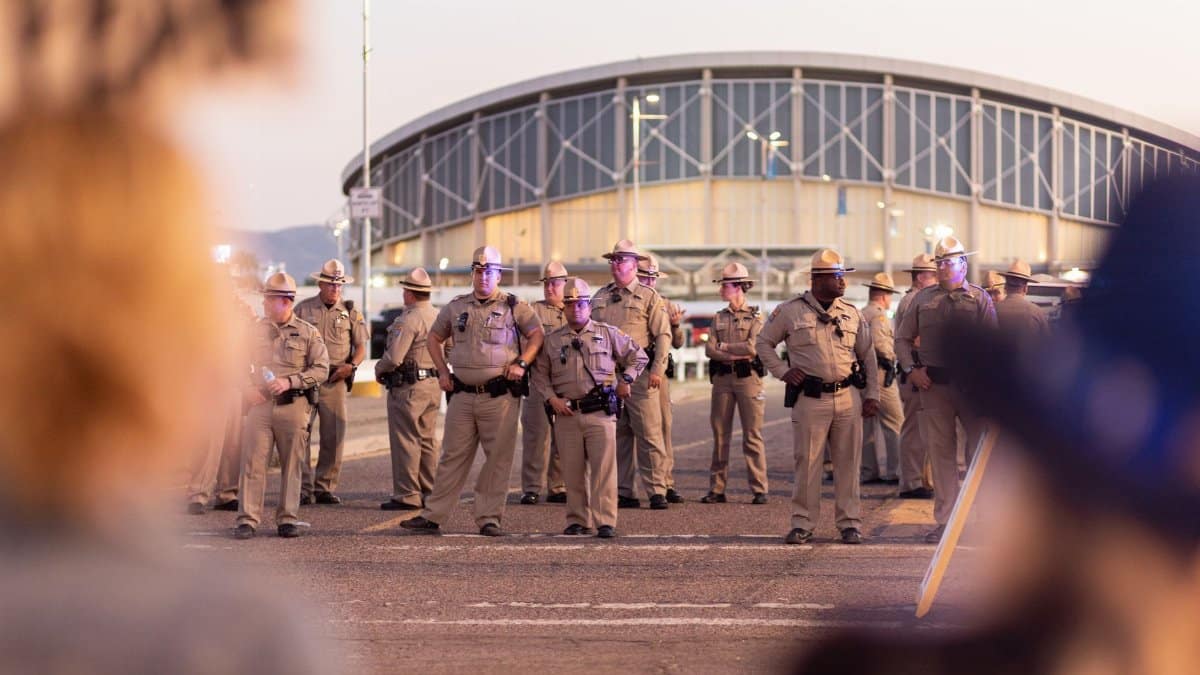
Behind every policy discussion lies recognition of the risks accepted by those who answer calls at all hours. The loss of one deputy resonates through families and neighborhoods that depend on consistent law enforcement presence. Decisions made now carry weight beyond a single purchase as they signal commitment to those who serve.
Projecting Next Steps in the Evaluation Process

County leaders plan further reviews of vendor proposals and site visits to observe equipment in action. A final recommendation is expected within the coming months pending additional data collection. Whatever path is chosen the goal remains consistent: safer conditions for everyone involved when roadways become scenes of crisis.