
In the aftermath of a major earthquake San Francisco confronted difficult choices about aging infrastructure that divided communities and tested political resolve. Former mayor Art Agnos took a stand that removed a prominent elevated roadway and opened new possibilities for the waterfront while reshaping his own career trajectory. The episode continues to spark debate among urban observers who weigh the gains in public space against the personal and electoral costs. Embarcadero Freeway Agnos stands as a symbol of that pivotal moment when civic vision met voter backlash.
The Roadway Before Its Removal
The elevated structure once carried thousands of vehicles daily along the northern edge of the city. Built decades earlier it separated neighborhoods from the bay and cast long shadows over streets below. Residents had long complained about noise pollution and limited access to the water. Discussions about its future gained urgency after the earthquake of 1989 caused visible damage and forced temporary closures. Officials weighed repair costs against the chance for a complete redesign of the area.
Public Debate Over the Structure
Community meetings drew large crowds as opinions split between those who valued the convenience of quick highway access and others who saw an opportunity for parks and open land. Business owners along the route feared lost traffic while environmental groups pushed for a more inviting shoreline. Art Agnos listened to both sides and ultimately supported removal despite strong opposition from some commuter advocates. The conversations revealed deep divides about growth and preservation in a dense urban setting.
Political Consequences for the Mayor

Support for demolition played a notable role in the next election cycle. Critics argued the decision created traffic headaches that persisted for years and hurt downtown commerce. Supporters credited the mayor with foresight that improved quality of life. Voter sentiment shifted enough to tip the outcome and many analysts trace the loss directly to the freeway controversy. Agnos later reflected on the tradeoffs between long range benefits and immediate public frustration.
Changes Along the Waterfront
With the roadway gone the city gained acres of new public space that now hosts gardens walking paths and cultural events. Tourists and locals alike enjoy unobstructed views of the bay and easier connections between the financial district and the water. Property values in adjacent blocks rose as developers responded to the improved setting. The transformation turned a once industrial corridor into a destination that draws steady crowds on weekends and holidays.
Reflections Years Later

Art Agnos has spoken about the episode in measured terms acknowledging both the pride in the final result and the sting of electoral defeat. He notes that similar projects elsewhere have followed the same pattern where initial resistance gives way to broad acceptance once the benefits appear. His comments suggest no deep regret over the choice though he recognizes the personal price paid. The experience informs his views on how leaders should approach contentious infrastructure questions today.
Lessons for City Planning
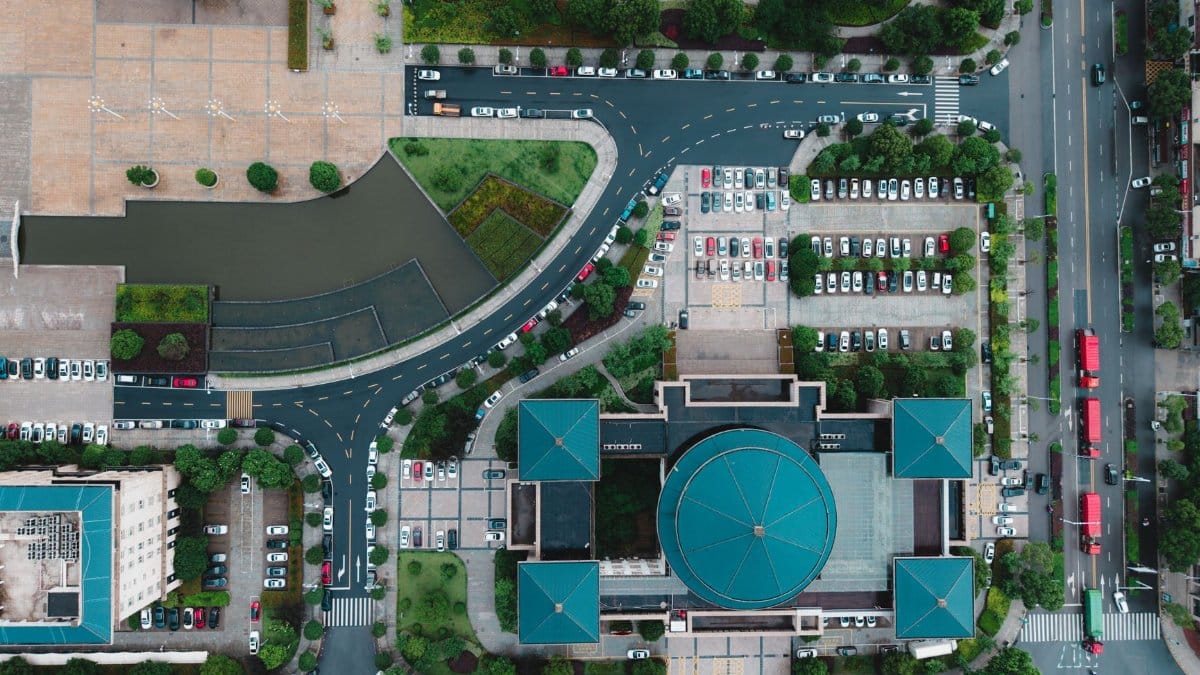
Urban planners continue to study the case as an example of bold action that reshaped a skyline and a shoreline. The episode highlights the tension between short term disruption and lasting public good. Other cities facing aging highways now cite San Francisco when weighing removal versus repair. Data on increased foot traffic and new business formation along the former route provide concrete evidence of success even if political risks remain high.
Current Views on Similar Projects

Embarcadero Freeway Agnos appears in modern discussions whenever officials consider tearing down elevated roads in favor of ground level boulevards or linear parks. Advocates point to the waterfront revival as proof that removal can succeed. Skeptics recall the election loss and urge caution in reading public appetite for change. The story serves as both inspiration and warning depending on the perspective of the speaker.
Ongoing Influence on Local Identity
The open space created after demolition has become woven into the daily life of the city. Runners cyclists and families use the paths regularly while festivals celebrate the connection between urban life and natural surroundings. The decision altered not only traffic patterns but also the way residents imagine their relationship to the bay. Embarcadero Freeway Agnos remains a reference point in conversations about civic courage and its costs.