
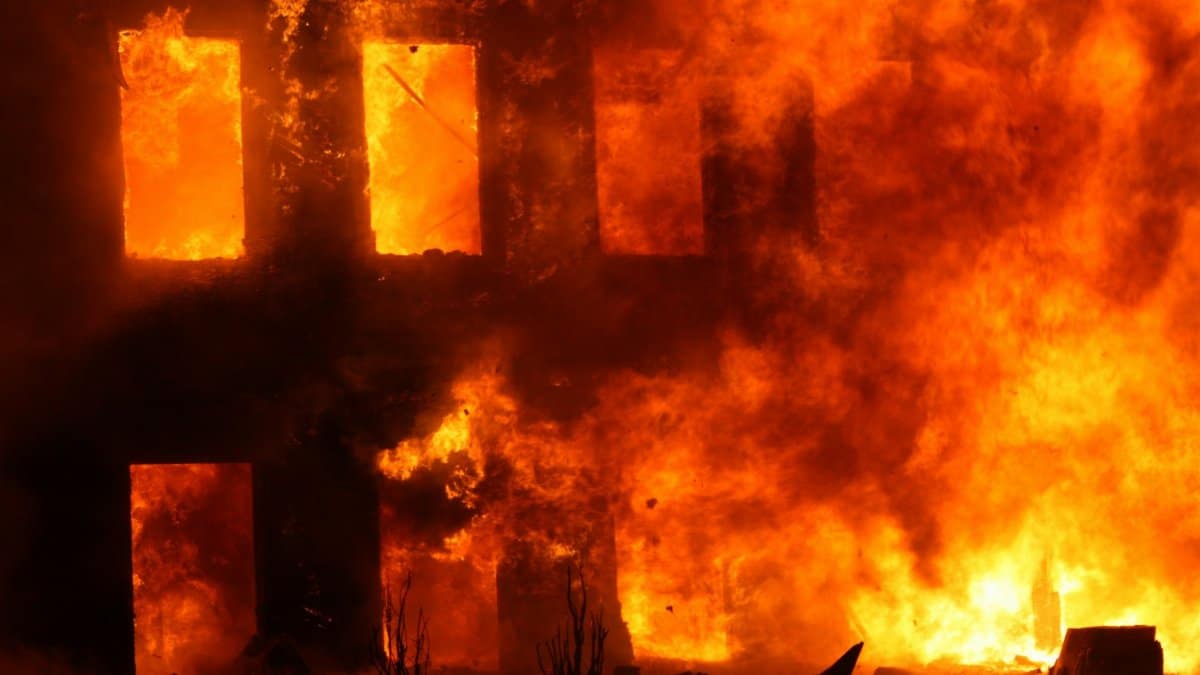
The recent findings from investigators have brought clarity to a tragic event that claimed many lives in a California community. An out of service tower belonging to a utility company has been identified as the origin point for the blaze. This revelation regarding the Eaton fire cause comes after months of careful examination and analysis by experts in the field. Residents who lost everything are now seeking answers and accountability from those responsible for maintaining the infrastructure. The impact on the area known as Altadena has been profound with homes and memories reduced to ash in a matter of hours.
The Path to Identifying the Ignition Source

Authorities spent considerable time reviewing evidence from the site where the fire began. Teams examined physical remnants and weather data to piece together the sequence of events. Their work revealed how a structure that had been taken offline still posed risks under certain conditions. Local officials coordinated with state agencies to ensure a thorough review that left no detail overlooked.
Role of Utility Infrastructure in Regional Fires

Power equipment has played a part in several blazes across the western states in recent years. Aging components require regular inspection and upkeep to prevent failures during high wind periods. In this instance the tower in question had not been fully decommissioned in a way that eliminated all hazards. Such oversights can lead to widespread consequences when environmental factors align unfavorably.
Community Response in Altadena

Families affected by the destruction have organized meetings to discuss recovery options and future prevention measures. Many expressed frustration over the time it took to reach a definitive conclusion on what started the fire. Support networks formed quickly to assist those displaced with temporary housing and essential supplies. The shared experience has strengthened bonds among neighbors who faced the same loss.
Regulatory Oversight and Its Shortcomings

Existing rules for managing retired electrical assets appear insufficient based on the details that emerged. Agencies responsible for enforcement may need to adopt stricter protocols to close potential gaps. Industry representatives have acknowledged the need for updated guidelines that address structures no longer in active service. Public pressure is mounting for changes that prioritize safety in populated zones.
Environmental Factors Contributing to Spread

Dry vegetation and strong gusts created ideal conditions for rapid expansion once the initial spark occurred. Forecasters had issued warnings about elevated fire danger in the days leading up to the event. These natural elements combined with the equipment failure to produce a fast moving threat. Understanding these interactions helps explain why containment proved so difficult in the early stages.
Legal Implications for the Utility Company
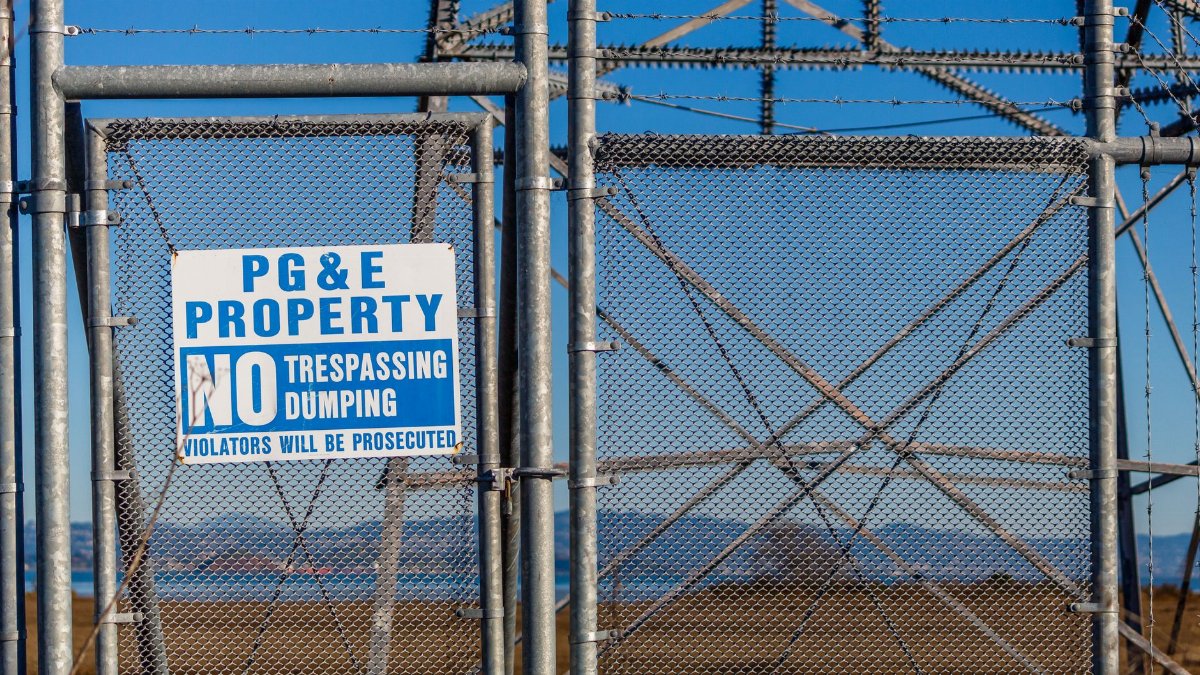
Lawsuits are expected to follow the release of the official report on the Eaton fire cause. Attorneys representing victims argue that better maintenance could have avoided the entire incident. The company faces scrutiny over its record of addressing known vulnerabilities in its network. Settlements may provide some relief but cannot restore what was lost in the flames.
Lessons for Other Communities

Places with similar terrain and infrastructure can draw from the experiences documented here. Proactive assessments of idle equipment might reduce the likelihood of comparable disasters. Collaboration between utilities and local governments offers one avenue for improved preparedness. Sharing information across regions supports a broader effort to safeguard residents.
Recovery Efforts Underway

Rebuilding has started in sections of Altadena where damage assessments allowed construction to resume. Grants and donations have supplemented insurance claims for many homeowners. Mental health resources remain available to help process the trauma associated with sudden displacement. Long term planning includes discussions about fire resistant building standards.
Future of Energy Delivery Systems
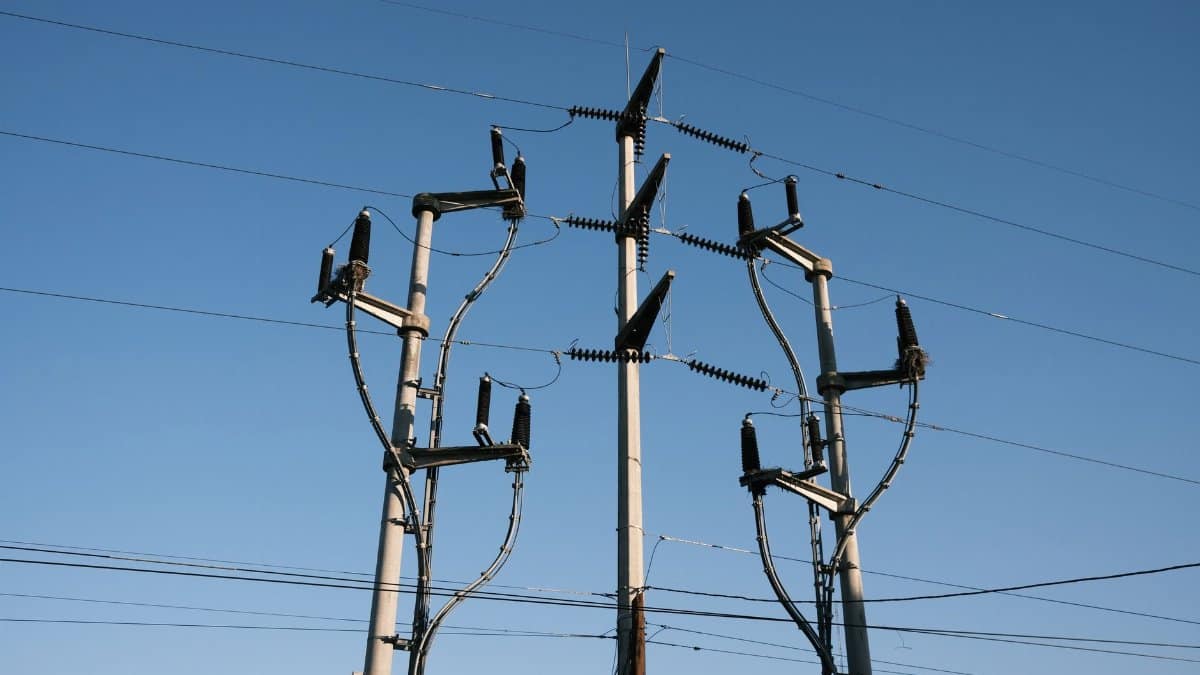
Advances in technology could allow for more resilient networks that detect problems before they escalate. Investments in modern monitoring tools may become standard practice for providers nationwide. The events surrounding the Eaton fire cause underscore the importance of adapting to changing climate patterns. Innovation paired with vigilance offers the best path forward.