
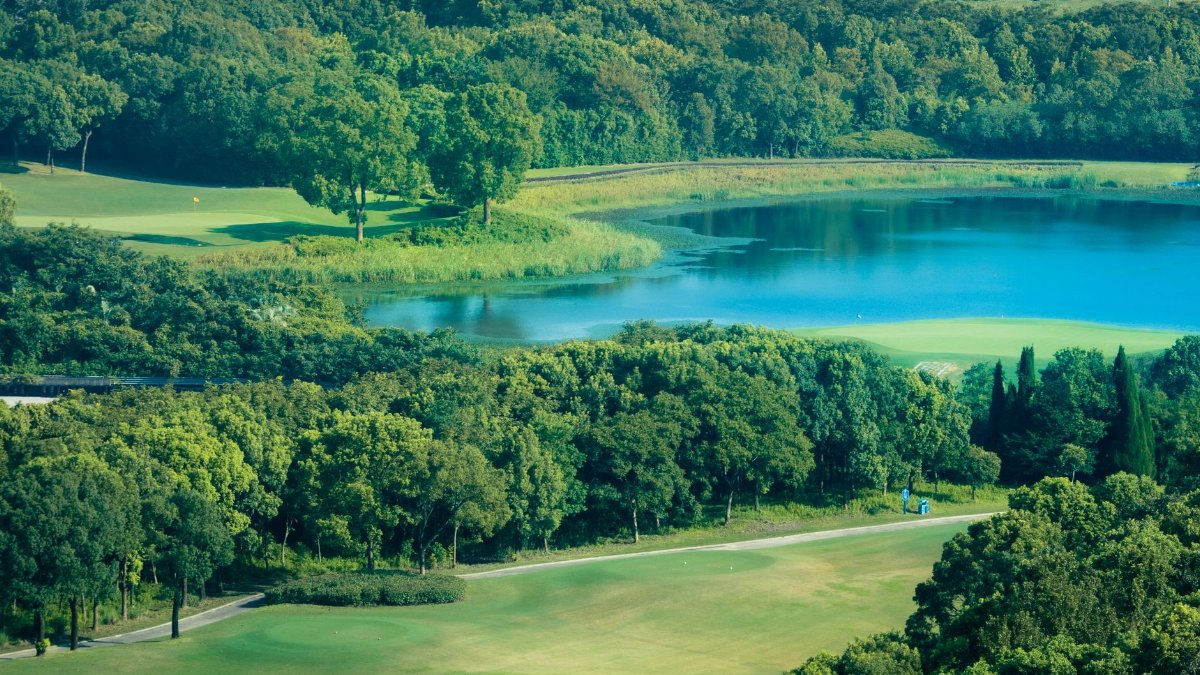
In the rolling hills of Minnesota golf has woven itself into the fabric of local life for well over a century. The story of Golf History MN reveals how this pastime evolved from exclusive clubs to a beloved public pursuit reflecting broader social changes across the region. From its beginnings among the elite to its spread among everyday citizens the game has mirrored the states growth and community spirit.
Beginnings Among Early Settlers
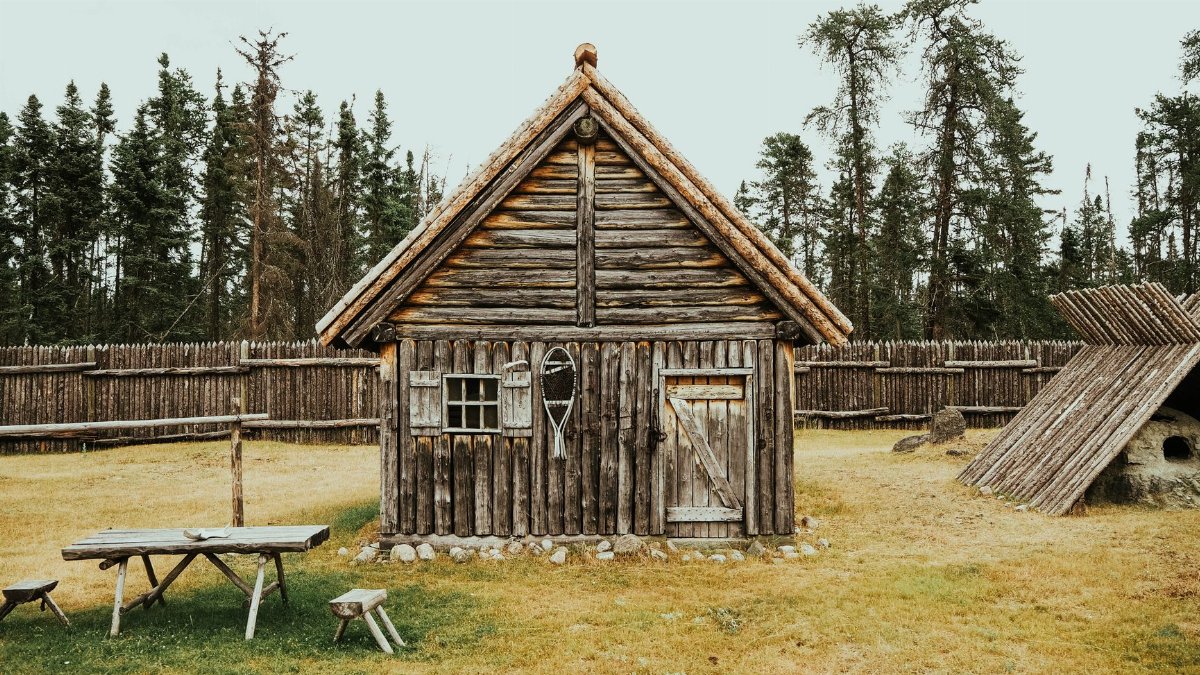
The first courses appeared in the 1890s near major cities. Wealthy businessmen imported the sport from Scotland and England establishing private links for recreation and networking. These early grounds featured basic layouts carved from farmland and forest edges.
Expansion in the Early Twentieth Century
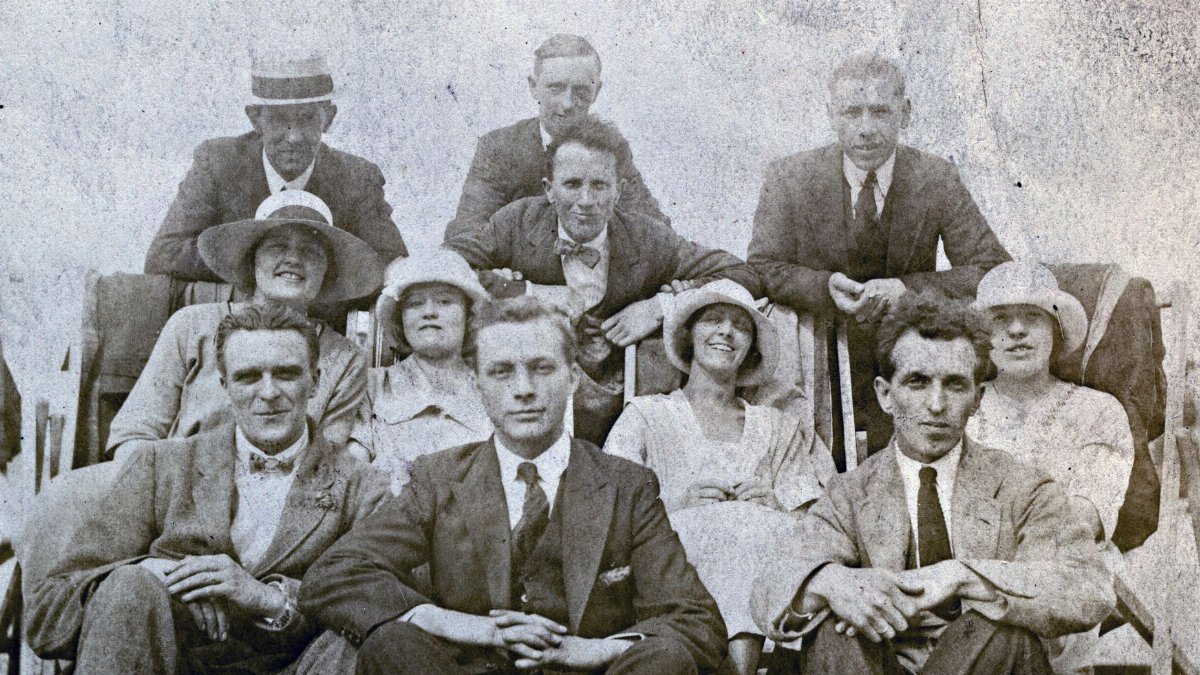
By the 1920s public courses opened to meet rising demand from a growing middle class. Cities invested in land for municipal facilities allowing more residents to enjoy the outdoors through play. This shift marked a move toward inclusive recreation.
Impact of Economic Challenges

The Great Depression slowed new construction yet existing clubs adapted by offering affordable memberships. Players found solace in the game during hard times fostering resilience and social bonds that lasted generations.
Postwar Boom and Suburban Growth
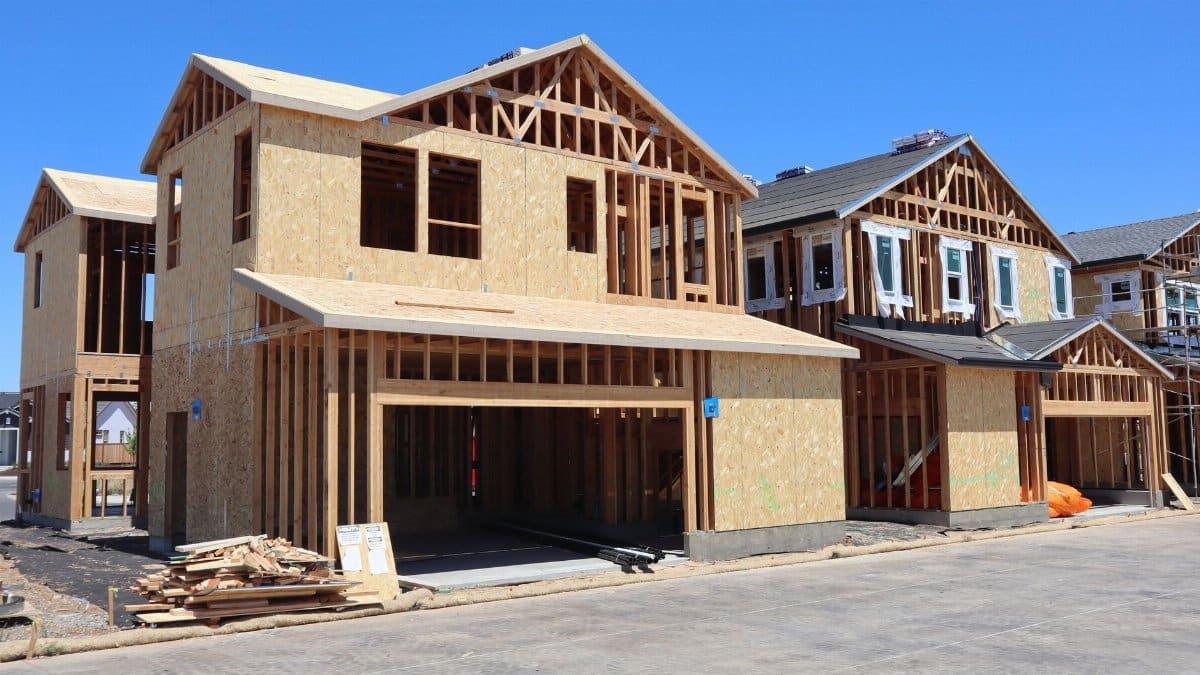
After World War II suburban developments included golf amenities as selling points for new homes. Families embraced weekend outings turning the sport into a staple of leisure culture throughout the state.
Women and Junior Participation Trends

Women gained greater access through dedicated programs and leagues starting in the 1970s. Junior clinics expanded in schools and parks introducing youth to skills that promote discipline and outdoor appreciation.
Environmental Considerations Today

Modern courses focus on water conservation and native plantings to reduce ecological footprints. Managers balance playability with sustainability practices that protect local habitats for future enjoyment.
Role in Community Events and Tourism

Annual tournaments draw visitors boosting regional economies while celebrating heritage. These gatherings strengthen ties among players from varied backgrounds creating shared memories on the fairways.
Future Outlook for the Sport

Technology such as improved equipment and digital apps continues to attract new enthusiasts. Planners envision expanded access ensuring Golf History MN remains vibrant amid changing demographics and lifestyles.