
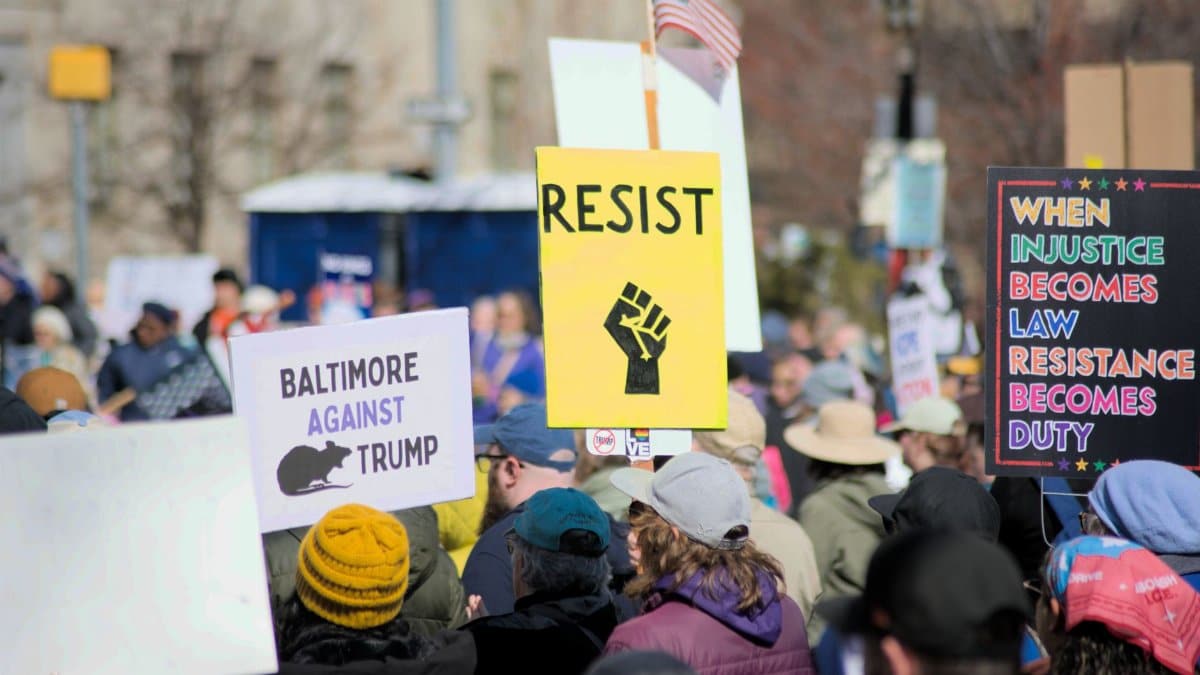
In the charged atmosphere of Maryland state politics a legal challenge has surfaced that draws attention to public statements and their consequences. Baltimore Sun owner David D Smith has taken the notable step of filing suit against Governor Wes Moore. Observers note how Smith sues Moore centers on remarks that tied the publisher to discussions involving former President Trump and the late Jeffrey Epstein. The case raises questions about accountability for elected officials when they comment on private citizens amid national controversies.
Context Surrounding the Public Remarks

Governor Moore made comments during a recent appearance that referenced broader networks of influence and mentioned Smith by name. Those words prompted the lawsuit as Smith viewed them as defamatory and without sufficient basis. The exchange highlights tensions between press ownership and political leadership in a state where media outlets play a visible role in shaping discourse.
Details of the Legal Filing

Court documents outline claims of false association and reputational harm. Attorneys for Smith argue the statements implied involvement in matters that lack evidence. The filing seeks damages and a retraction while the governor office maintains the remarks fell under protected speech regarding matters of public interest.
Reactions from Political Observers

Analysts in Annapolis describe the suit as unusual yet reflective of heightened sensitivities around high profile accusations. Some see it as a pushback against loose associations drawn in partisan settings. Others view it as part of a pattern where media figures defend their standing through the courts when public officials speak out.
Implications for Media Ownership

Smith position as owner of the Baltimore Sun places the case at the intersection of journalism and politics. The paper has covered state government extensively and the lawsuit may affect how its reporting is perceived. Colleagues in the industry watch closely to see whether similar actions follow in other regions.
Historical Patterns in Such Disputes

Legal actions between publishers and elected leaders have appeared before in American history though they remain infrequent. Past examples often involved accusations of overreach by one side or the other. This instance stands out because it involves a sitting governor and a major regional newspaper owner.
Broader Questions on Speech and Accountability
The case invites examination of where official commentary crosses into territory that invites litigation. Free speech protections remain strong yet they do not shield every statement from challenge. Legal experts suggest the outcome could influence how future remarks are framed when they touch on sensitive national figures.
Public Response and Media Coverage
Readers across Maryland have expressed mixed views with some supporting the governor call for transparency and others backing Smith right to clear his name. Coverage in other outlets has focused on the novelty of the suit rather than its underlying claims. Social platforms show lively debate over the proper bounds of political rhetoric.
Potential Paths Forward in the Proceedings

The case is expected to move through preliminary motions in coming months. Both sides have indicated willingness to pursue resolution either through settlement or trial. Whatever the result the matter underscores ongoing frictions between those who report the news and those who make it.