
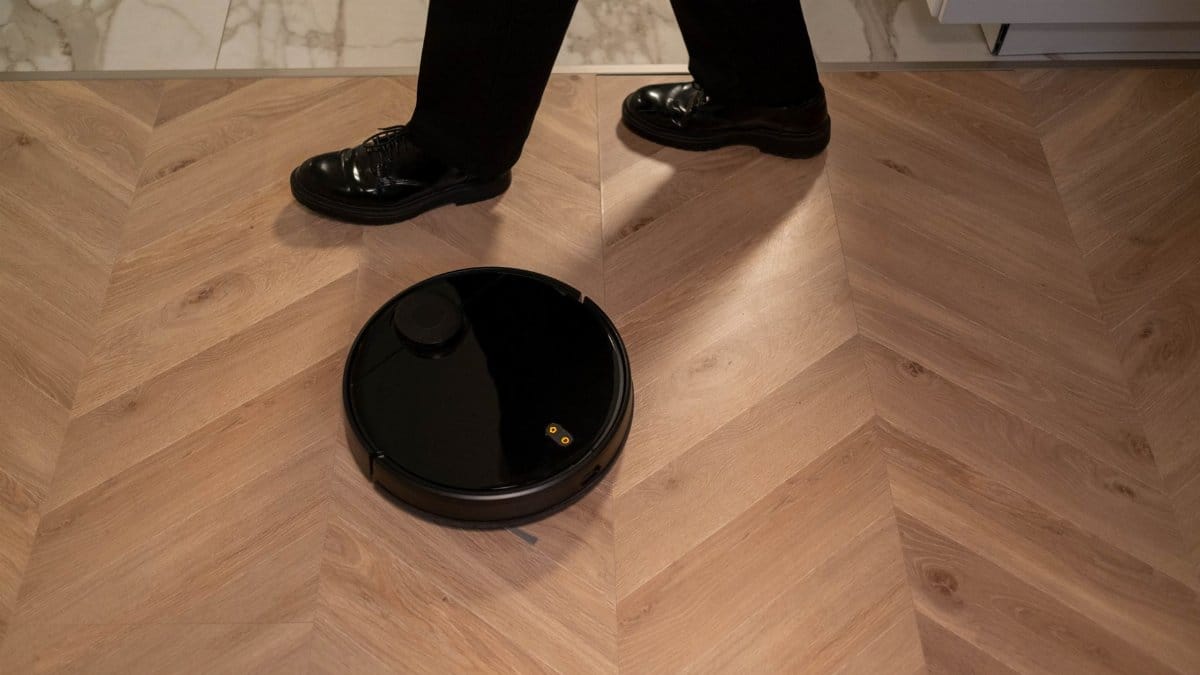
San Francisco has long been a hub for innovation. Now a startup called Tau Robotics is bringing that spirit to everyday chores. Their new service allows customers to book robot house cleaning for thirty dollars an hour. The system combines artificial intelligence with human operators who guide the machines from afar. Early testers say it offers a glimpse into a future where machines handle the mundane tasks of life. This development raises questions about labor, technology, and the changing nature of domestic work.
Company Origins in the Bay Area

Tau Robotics emerged from a small team of engineers who previously worked on industrial automation projects. They saw an opportunity in residential spaces where traditional help often falls short due to scheduling issues or high costs. The firm focused on creating a hybrid model that pairs machine precision with human judgment for tasks like dusting shelves or wiping counters. Initial funding came from local venture sources interested in practical applications of robotics beyond factories.
How the Hybrid Control System Works
At the core of this offering is a remote operation setup. A robot navigates a home using sensors while a trained person watches through video feeds and adjusts movements in real time. This approach aims to handle unexpected obstacles such as scattered toys or delicate furniture. Customers receive updates via an app that shows progress without requiring them to be present during the session.
Pricing Structure and Accessibility

The thirty dollar rate applies to each hour of active cleaning time. Bookings start at a minimum of two hours to cover travel and setup. Access remains limited to an invite list as the company scales its fleet of machines. Those who qualify often cite the appeal of consistent results without the variability that can come from human only crews.
Early User Experiences and Feedback
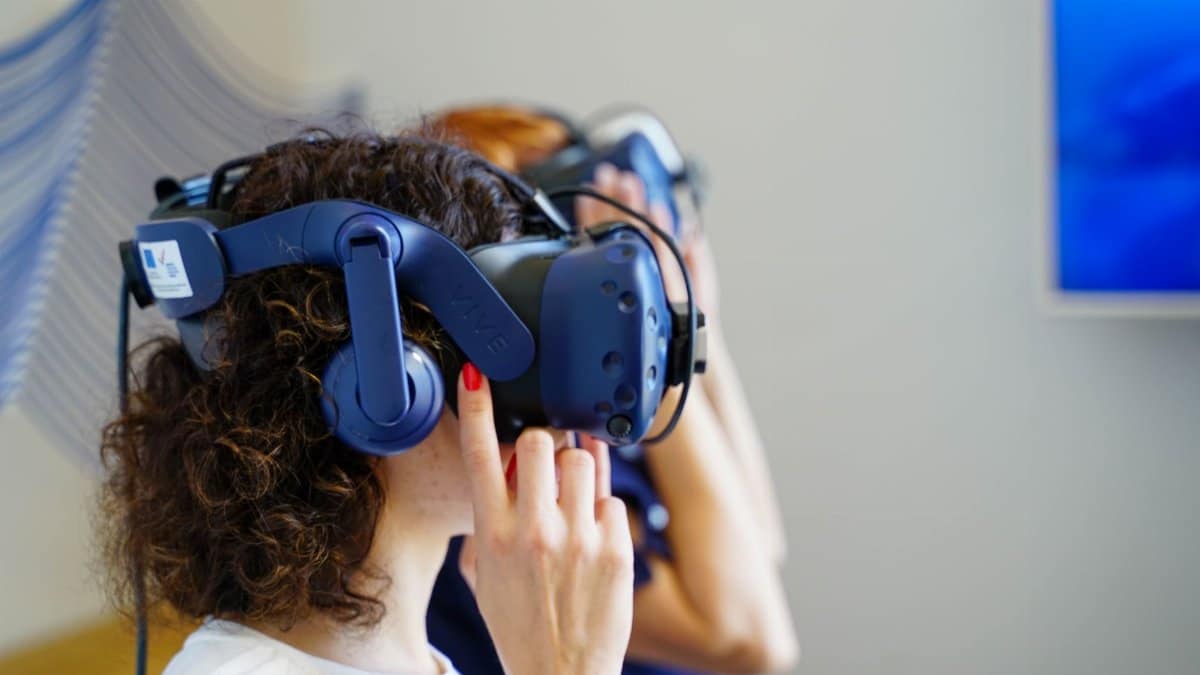
Residents who have tried the service describe homes that feel fresher with less effort on their part. One family noted that floors stayed cleaner longer because the robot followed set patterns more reliably than occasional manual efforts. Concerns have surfaced around privacy since cameras are involved though the firm states all footage is deleted after each job.
Broader Impacts on Household Labor
Widespread adoption of robot house cleaning could shift demand for human cleaners toward more specialized roles. Some workers might transition into overseeing these systems or handling complex jobs that machines cannot yet manage. Economists point to similar patterns in other sectors where automation complements rather than fully replaces people.
Technical Challenges in Home Environments
Homes present unique difficulties compared with controlled industrial settings. Variations in floor types carpets and layouts require constant adaptation. The robots undergo regular software updates to improve object recognition and path planning based on data collected from completed jobs.
Future Outlook for Similar Services

Tau Robotics plans to expand beyond the Bay Area once reliability metrics improve further. Competitors are watching closely as the technology matures. Over time such services might become standard options for middle class households seeking relief from routine upkeep.