

In the bustling courts of Detroit a prominent union figure has stepped forward to challenge the role of the judiciary in labor matters. Shawn Fain judges the recent contempt rulings against striking lawyers as excessive and unfair. This criticism comes at a time when union activities are under increased scrutiny nationwide. The UAW leader argues that judges should focus on facilitating negotiations rather than punishing workers for exercising their rights. Many in the labor community echo these sentiments seeing it as a stand against overreach by the legal system. The dispute centers on issues of pay and workload for public defenders who play a vital role in the justice process. Observers from various sectors note the potential ripple effects on similar cases in other cities.
Roots of the Public Defender Walkout
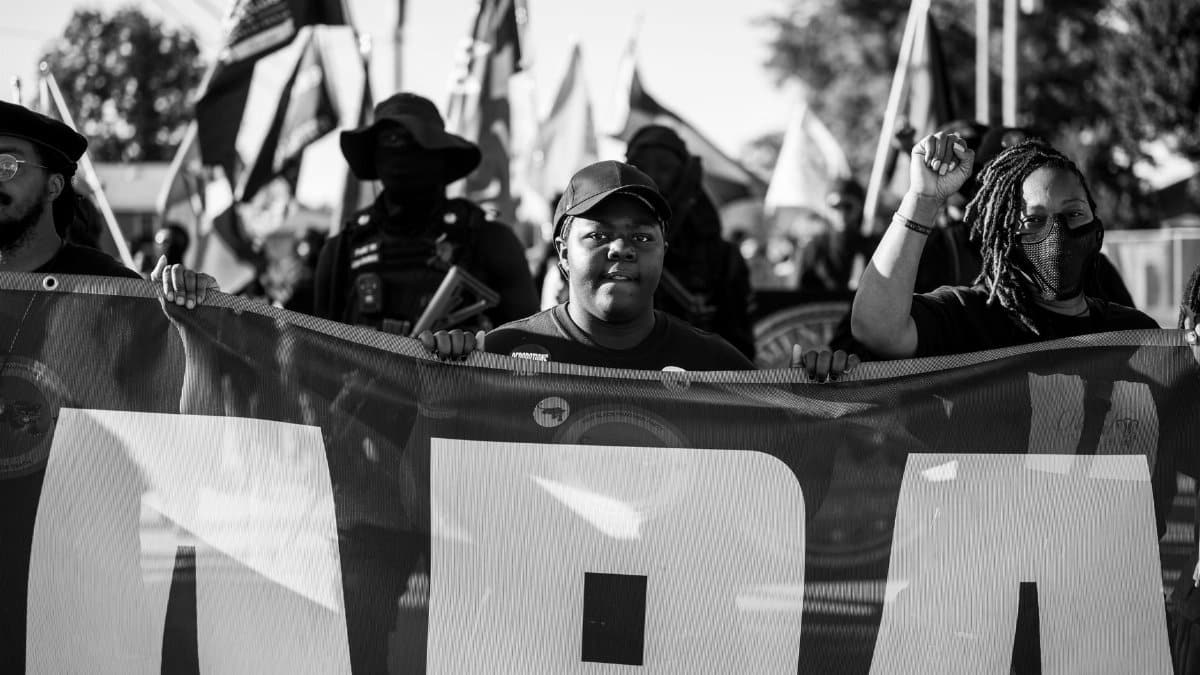
The strike by lawyers handling indigent cases arose from years of mounting caseloads and stagnant compensation. Workers sought better support to maintain quality representation for clients facing serious charges. Court officials responded with orders that some viewed as punitive measures aimed at ending the action quickly.
Shawn Fain Judges Court Contempt Orders

Public statements from the union president emphasized how such judicial interventions disrupt fair bargaining. Shawn Fain judges these orders as tilting the balance away from workers who already operate under difficult conditions. The comments drew attention from national labor groups monitoring the Detroit situation closely.
Impact on Local Legal Aid Services

Delays in case processing have affected families awaiting resolutions in criminal matters. Communities reliant on these defenders now face extended waits that strain already limited resources. Advocates warn that prolonged disruptions could undermine trust in the entire court framework over time.
Broader Union Reactions Across Michigan

Other labor organizations expressed solidarity with the striking lawyers and the UAW stance. Meetings held in recent days focused on strategies to support similar actions elsewhere in the state. Participants discussed ways to highlight worker concerns without inviting further judicial involvement.
Historical Context of Labor Court Clashes
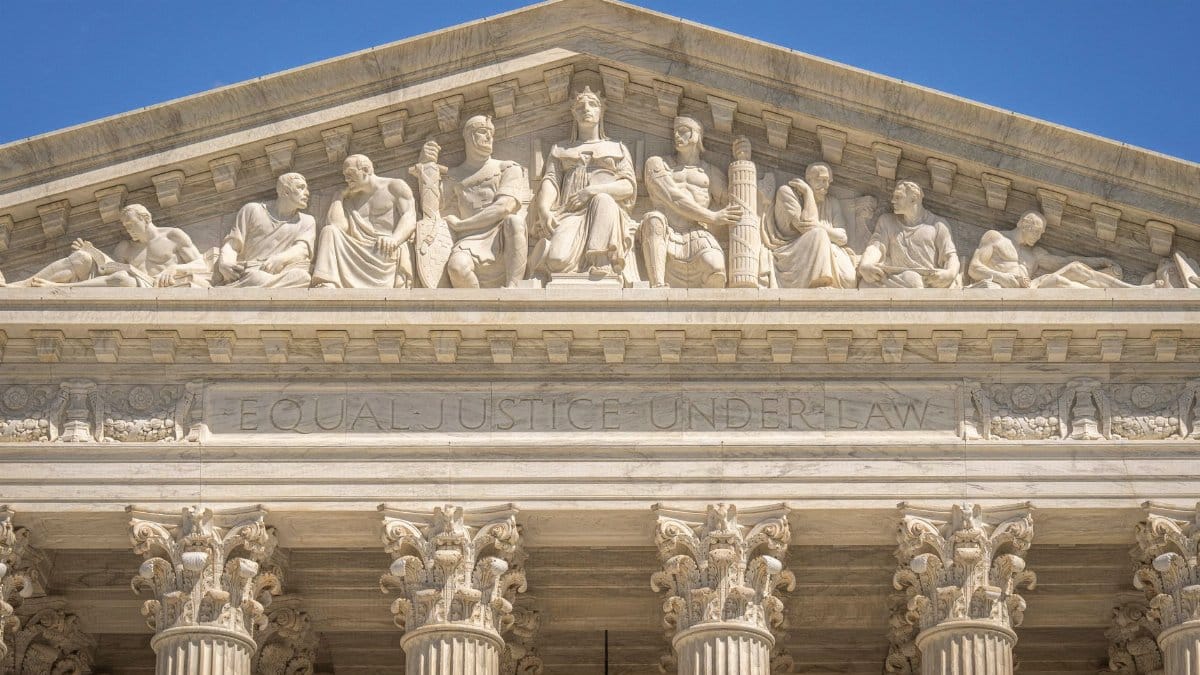
Conflicts between unions and judges date back decades in industrial regions like Detroit. Past episodes often involved rulings on picket lines and contract disputes that shaped modern labor law. Current events echo those tensions while reflecting new pressures from budget constraints in public services.
Future Outlook for Worker Judicial Relations

Analysts suggest ongoing dialogue could ease strains if both sides prioritize practical solutions. The episode may influence how unions approach public campaigns in coming contract talks. Attention remains on whether additional criticisms surface from other prominent figures in organized labor.