

In recent election cycles the push to refine how districts are drawn has drawn fresh attention across the state. Lawmakers in Annapolis now advance a proposal that could reshape Maryland redistricting and limit the number of lawsuits that follow each cycle. The effort comes after years of legal challenges that left voters uncertain about representation and forced repeated court reviews.
Origins of the Current Proposal

Democratic leaders describe the measure as a way to clarify rules before maps are created again. They point to past disputes that reached the state supreme court and consumed time and money. The constitutional amendment would set clearer standards for compactness and community ties while reducing room for judges to intervene.
Key Changes in the Amendment Language

The text would require map makers to follow numbered criteria in order of priority. Population equality remains first yet new language would elevate respect for municipal lines and natural features. Sponsors say this order could prevent the creative shapes that invited earlier litigation.
Reactions From Republican Lawmakers

Minority party members view the timing with suspicion. They argue the change would lock in advantages for the majority before the next census data arrive. Several have offered amendments of their own that would create an independent commission instead.
Impact on Future Court Cases

Legal analysts note that explicit statutory guidance often narrows the grounds for lawsuits. If approved by voters the amendment could shorten the window during which maps face challenges. Observers still expect some suits yet predict fewer successful claims once the new rules take effect.
Voter Views Across the State

Polls conducted earlier this year showed mixed public awareness of the issue. Many residents expressed concern about maps that split their towns yet few could describe the existing process in detail. Education campaigns by civic groups aim to raise that knowledge before any ballot question appears.
Comparison With Neighboring States
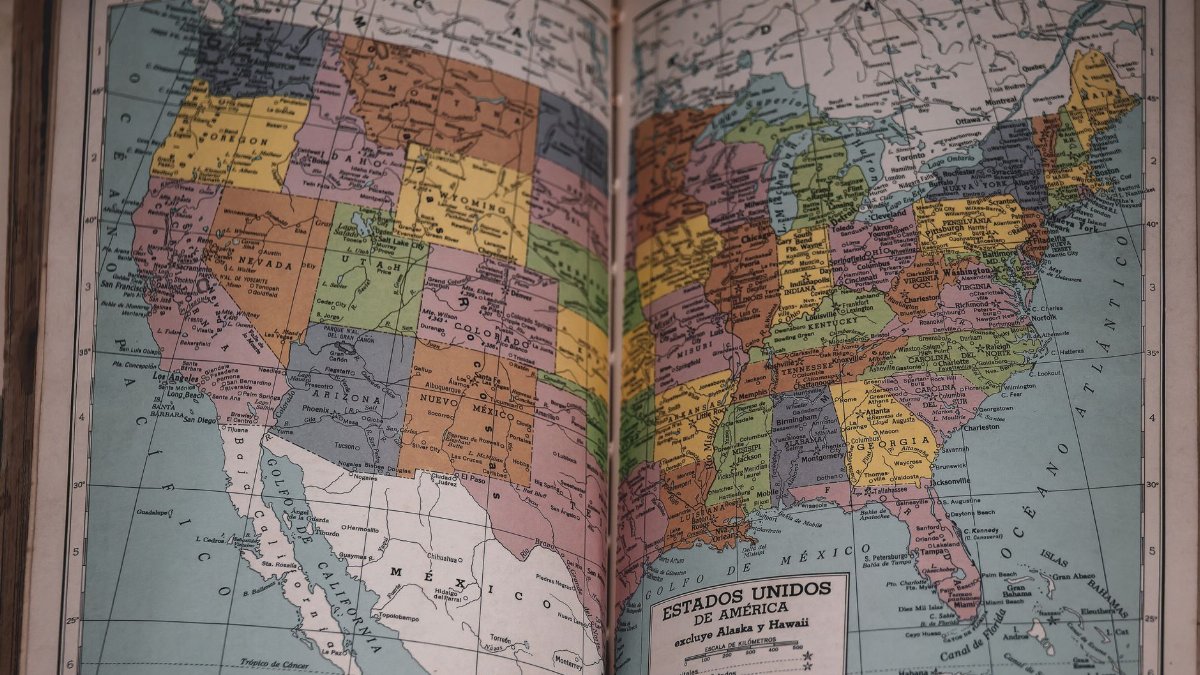
Virginia and Pennsylvania adopted independent commissions in recent years after similar court battles. Maryland leaders studied those models yet chose to keep the legislature in charge while tightening criteria. The decision reflects the political reality of large Democratic majorities in both chambers.
Timing and Path to the Ballot

The amendment must pass both houses by a three fifths vote before reaching voters. Sponsors hope for action this session so the question can appear in the next general election. Delays could push the change past the next round of map drawing.
Potential Effects on Minority Representation

Advocates for communities of color worry that stricter compactness rules might reduce the number of districts where minority voters form a majority. They have asked for additional language that protects voting strength without violating equal population standards.
Role of Census Data Updates

New population counts will drive the next map cycle. Officials say clearer rules now will allow staff to prepare technical systems in advance. Training sessions for local election boards are already planned around the proposed criteria.
Historical Context of Maryland Maps

State districts have faced repeated challenges since the nineteen sixties when federal courts first demanded equal population. Each decade brought new lawsuits that tested compactness and racial fairness. The current proposal seeks to break that pattern.
Next Steps for Supporters

Coalitions of good government groups plan public forums in every region. They intend to gather endorsements from former judges and retired lawmakers who witnessed earlier court fights. The goal is to build broad support that crosses party lines.