

In bustling neighborhoods across Baltimore a fresh approach to household security is taking shape this summer. Local libraries have become unexpected hubs for practical support as families seek ways to reduce risks at home. The Enoch Pratt Free Library system stands at the center of this movement with a program that places secure storage devices directly into community hands. Through free gunlocks libraries residents gain access to resources that promote careful habits without added cost or complexity. This development reflects broader conversations about everyday safety measures in urban settings where access to information matters as much as the tools themselves.
Library Branches Step Into New Roles

Five locations within the Enoch Pratt network now stock these devices for immediate distribution. Staff members receive basic training to answer questions and guide visitors through simple sign up steps. The effort builds on existing library services that already cover topics from health resources to job assistance. Patrons can stop by during regular hours to obtain one device per household while supplies last. This setup keeps the process straightforward and avoids extra appointments or paperwork burdens.
Focus on Secure Storage Practices

Proper placement of firearms receives fresh attention through these outlets. Experts note that many incidents stem from easy access in homes rather than other factors. By offering devices at familiar public spots the program lowers barriers that might otherwise deter participation. Families report greater peace of mind once items are secured in approved containers. Discussions at library events highlight real world examples of how small changes yield lasting benefits.
Citywide Safety Goals Take Shape

Baltimore officials describe the rollout as part of ongoing work to support residents in practical terms. Partnerships with public institutions allow messages about responsibility to reach wider audiences. Data from similar efforts in other regions shows gradual shifts in behavior when tools become convenient. The current timeline targets completion of initial distribution by the end of July. Follow up surveys will track how often devices see use and what additional needs arise.
Public Response Builds Momentum

Early visitors to the branches express appreciation for the no cost option. Some mention prior uncertainty about where to obtain such items without added expense. Library card holders in particular view the service as an extension of trusted community spaces. Word spreads through neighborhood networks and social media posts that share basic details. Attendance at related information sessions has exceeded initial estimates in the first weeks.
Comparisons With Other Regional Efforts

Neighboring areas have tested comparable ideas with mixed outcomes depending on local infrastructure. Baltimore draws from those lessons by keeping requirements minimal and locations central. Emphasis stays on voluntary participation rather than mandates. This method aligns with library traditions of open access and education. Observers suggest the model could adapt to cities facing similar urban challenges around storage awareness.
Staff Training Supports Smooth Delivery
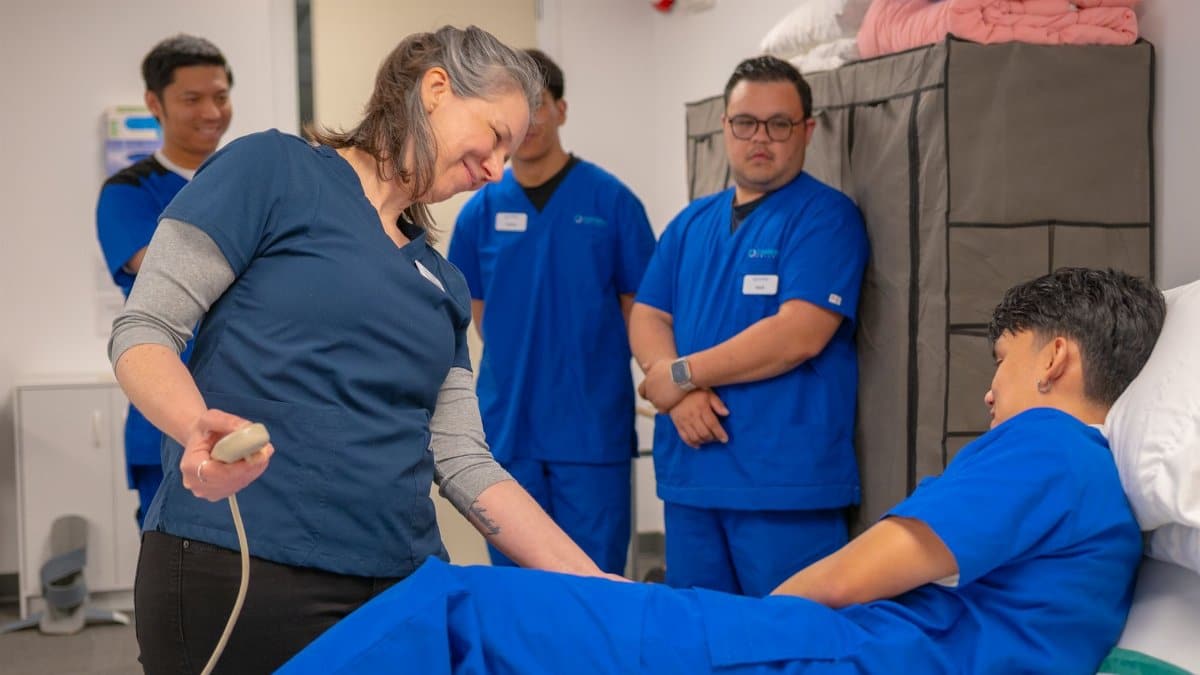
Employees across the selected branches complete short orientation sessions on device features and usage. Materials provided cover basic facts without overwhelming detail. The goal remains consistent service that respects visitor time and privacy. Feedback loops allow adjustments if questions recur frequently. Such preparation ensures the program integrates without disrupting daily library operations.
Long Term Hopes for Reduced Incidents

Advocates point to potential drops in preventable events as more households adopt secure habits. Tracking over multiple years will clarify the true scope of impact. Initial indicators include higher awareness levels among participants. Continued funding and supply chains will determine whether the approach expands beyond the current five sites. Community input shapes refinements along the way.
Broader Conversations on Responsibility

The topic touches on moral considerations around ownership and protection of others. Library programs serve as neutral ground for these exchanges. Speakers from varied backgrounds share perspectives on balancing rights with caution. Attendance spans generations which enriches the dialogue. Such settings encourage thoughtful reflection rather than confrontation.