
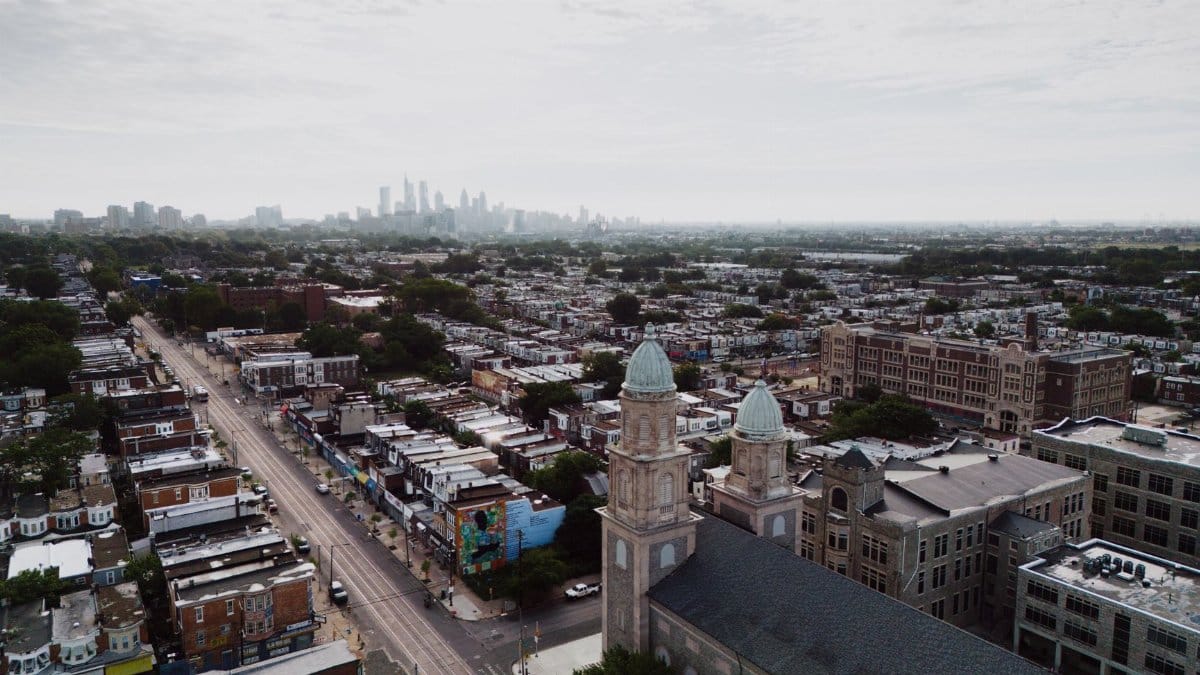
In the heart of Philadelphia a group of determined residents transformed their frustrations into action after months of living amid crumbling walls and unreliable utilities. Their efforts led to a significant Philly tenant settlement that promises some relief including possible rent adjustments. The case highlights ongoing challenges in urban housing where tenants often feel overlooked by property owners focused on profits rather than maintenance. Daily life involved inconsistent heating during winter months along with leaks that damaged personal belongings and raised health concerns for families with young children and elderly members.
The Origins of Tenant Complaints

Many buildings in older Philadelphia neighborhoods suffer from deferred maintenance that accumulates over decades. Tenants reported issues such as faulty wiring and pest infestations that persisted despite repeated requests for repairs. City records show multiple violations issued against the property in question yet enforcement remained inconsistent until collective action gained momentum. Residents organized meetings to document every problem with photographs and written logs that later proved essential in negotiations.
Details of the Agreement Reached

The Philly tenant settlement includes provisions for partial rent refunds tied to periods when conditions fell below habitable standards. Landlords agreed to complete a list of prioritized fixes within set time frames while an independent inspector will monitor progress. This arrangement avoids lengthy court proceedings that could have drained resources from both sides and instead emphasizes practical outcomes for those affected.
Impact on Daily Life for Residents

Families now anticipate improved stability as repairs address core problems like water pressure and structural integrity. Children can focus better on schoolwork without the distraction of cold rooms or constant noise from ongoing leaks. Elderly tenants express relief at the prospect of safer stairwells and reliable elevators that reduce risks of falls or isolation during harsh weather.
Role of Local Advocacy Groups

Community organizations provided crucial support by connecting tenants with legal expertise and helping compile evidence of neglect. These groups emphasized education on rights under local ordinances so participants understood options beyond individual complaints. Their involvement turned scattered grievances into a unified front that commanded attention from property management and municipal officials alike.
Legal Framework in Philadelphia Housing

Pennsylvania law requires landlords to maintain properties in compliance with health and safety codes yet gaps in oversight often leave tenants vulnerable. The Philly tenant settlement demonstrates how such statutes can support negotiated resolutions when evidence is strong. Similar cases have succeeded through mediation that balances tenant protections with landlord obligations to sustain viable rental operations.
Potential for Similar Cases Elsewhere

Other cities facing comparable housing strains may look to this example for guidance on efficient dispute resolution. Patterns of neglect appear in aging urban stock nationwide prompting calls for stronger tenant protections without overburdening small property owners. The approach here favors dialogue over confrontation which could encourage broader adoption in regions with strained court systems.
Landlord Responses and Future Plans

Property representatives acknowledged shortcomings in upkeep and outlined investments aimed at long term viability of the building. They stressed cooperation with the settlement terms as a way to rebuild trust and retain stable occupancy. Plans include updated systems for heating and plumbing alongside regular maintenance schedules to prevent recurrence of past problems.
Community Reactions to the News

Local residents celebrated the outcome as validation of persistent advocacy while some expressed hope that it signals wider improvements across the neighborhood. Discussions in community forums focused on sharing lessons learned so others can navigate similar situations effectively. The settlement has sparked renewed interest in tenant associations as vehicles for collective voice in housing matters.