
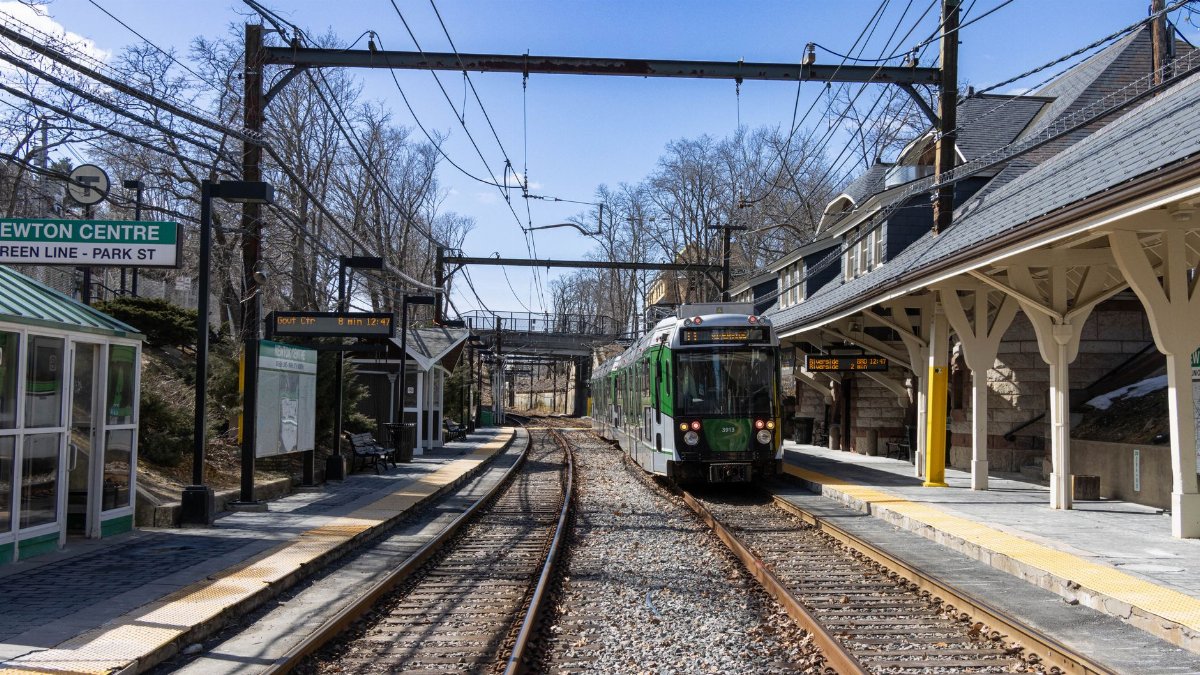
On a crisp autumn morning commuters heading out of Boston encounter a fresh chapter in the regions transportation story. A long awaited replacement for an aging span on the Massachusetts Turnpike now stands ready for use allowing west bound traffic to move without the delays that once plagued the Newton Weston line. The Mass Pike bridge opening arrives as part of ongoing efforts to modernize key routes and it promises steadier journeys for families heading west and for goods moving through the state.
Historical Context Behind the Turnpike Route
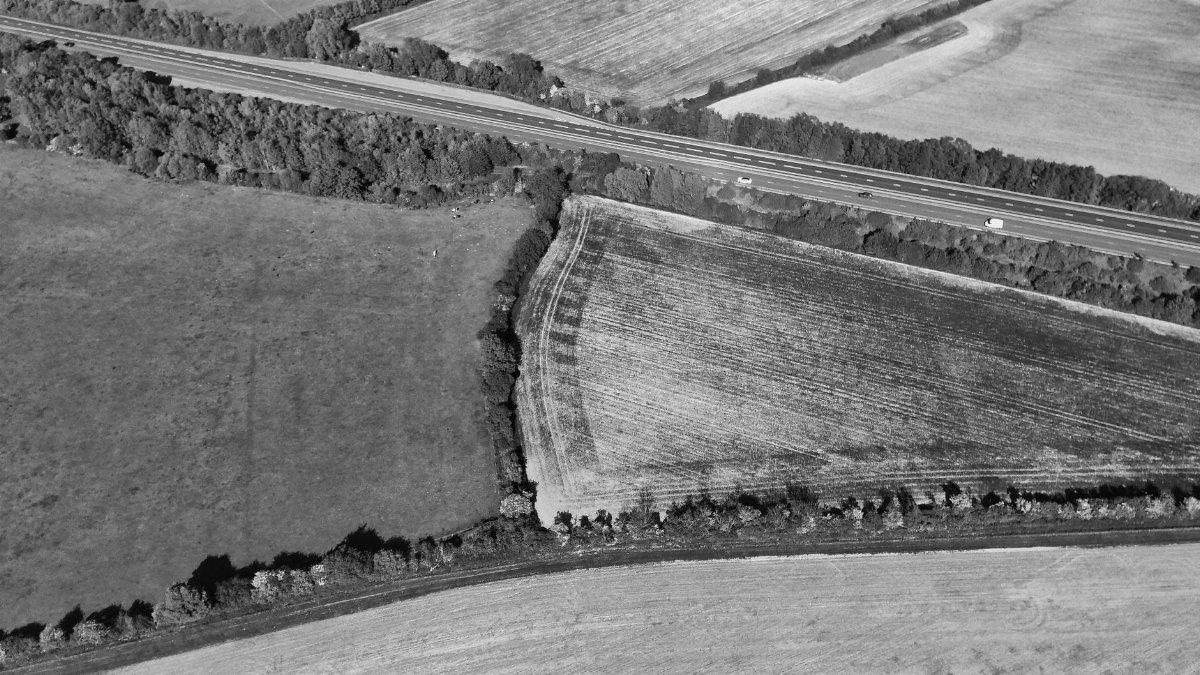
The Massachusetts Turnpike has served as a vital artery since its early days carrying millions of vehicles each year between the capital and points farther west. Over decades engineers have upgraded sections to meet growing demands yet some spans remained from earlier construction periods. This latest project addressed one such span bringing modern standards to a busy corridor that links suburban communities with urban centers.
Engineering Advances in the New Structure

Construction crews employed updated materials and design methods to create a span built for heavier loads and longer service life. Workers coordinated closely with state officials to minimize disruptions during the build phase. The result is a bridge that meets current safety codes while fitting into the existing landscape along the turnpike.
Effects on Daily Commutes and Regional Flow
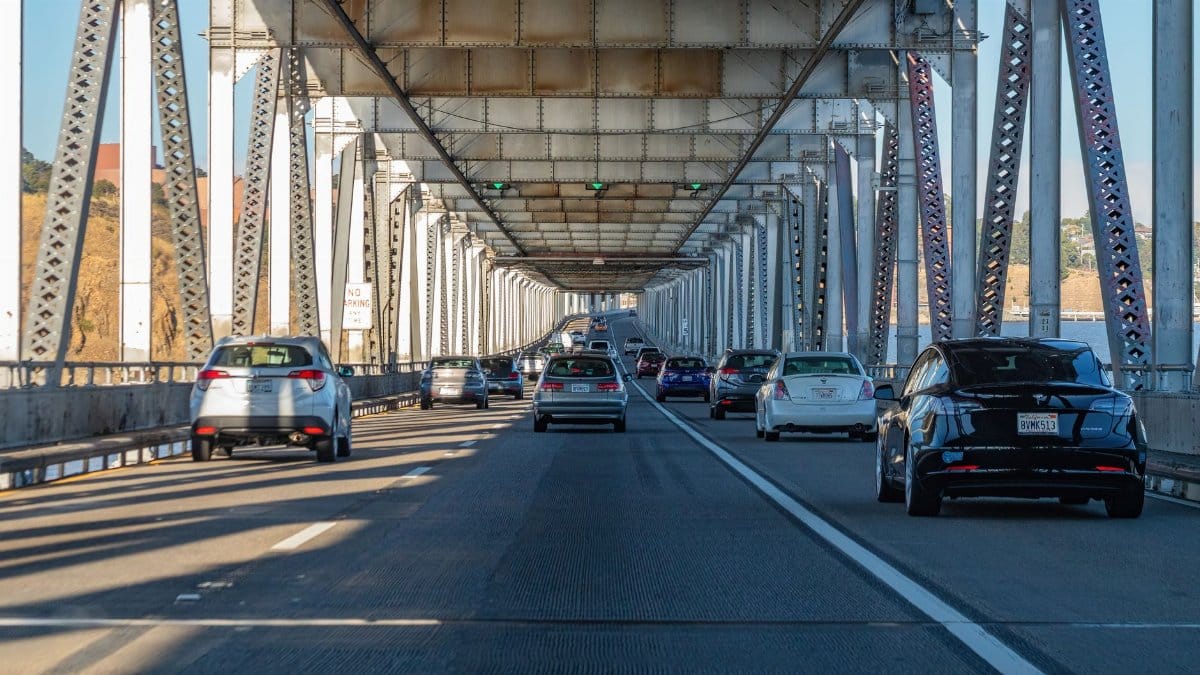
Travelers who once faced slowdowns near the Newton Weston line can now expect more consistent speeds during peak hours. Data from transportation agencies suggest that even small improvements in bridge capacity can reduce overall congestion across connected roads. Families making regular trips to work or school stand to gain reliable time savings that add up over weeks and months.
Economic Ripple Across Nearby Towns
Local businesses along the corridor may see steadier customer visits as access becomes more predictable. Delivery services and freight operators benefit from fewer interruptions which can lower costs passed on to consumers. In towns like Newton and Weston improved connectivity often supports broader commercial activity without requiring major new developments.
Community Voices on the Change

Residents near the project site have followed the progress with interest noting both the temporary inconveniences of construction and the long term gains in mobility. Some describe a sense of relief that essential infrastructure receives attention while others voice hopes that future phases will address additional aging elements along the route.
Environmental Considerations During Upgrades
Planners incorporated measures to limit impacts on nearby waterways and green spaces during the replacement work. Modern drainage systems help manage runoff more effectively than older designs. Such steps reflect wider trends in infrastructure projects that balance human needs with protection of natural surroundings.
Broader Lessons on Public Investment

Projects like this one illustrate how sustained funding for roads and bridges supports everyday life across a state. When officials prioritize timely replacements the public experiences fewer sudden closures and safer conditions overall. Observers note that consistent attention to such assets prevents larger problems from developing over time.
Looking Ahead to Further Improvements

State agencies have outlined additional work along the turnpike in coming years focusing on other spans and interchanges. The Mass Pike bridge opening serves as one milestone in that sequence offering a model for coordinated planning. Continued investment could extend similar benefits to more sections of the route.
Symbolism of Connection in Modern Life

Beyond practical gains the completion of such a project can evoke a quiet appreciation for the networks that link people and places. In a time when divisions often dominate headlines a functioning bridge reminds communities of shared reliance on common systems. This aspect resonates in discussions of progress that go beyond mere mechanics.