
In the pulsing heart of downtown Miami, where skyscrapers cast long shadows over bustling streets, arts patrons have long grappled with a familiar dilemma. As they anticipate an evening of transcendent music or compelling drama at the Adrienne Arsht Center for the Performing Arts, many find their excitement tempered by the search for a parking spot. Twenty years after the center first opened its doors, plans for a new parking garage aim to ease this burden and ensure that logistical hurdles do not stand in the way of cultural enrichment.
The proposed six story facility, estimated at sixty one million dollars, represents a significant investment in the future of one of South Florida premier cultural institutions. With Arsht Center parking remaining a frequent complaint among regular visitors, this development could mark a turning point for an organization that has become integral to the regions artistic identity. For middle aged Miami residents who cherish live performance as an essential part of a well lived life, the news arrives as both practical relief and a statement of confidence in the enduring value of the arts.
A Cultural Beacon Marks Two Decades
The Adrienne Arsht Center opened in 2006 with grand ambitions to serve as the artistic heart of South Florida. What began as a bold civic project has evolved into an institution that hosts everything from classical symphonies to contemporary dance and Broadway tours. Over the past twenty years it has welcomed millions of visitors who come seeking moments of beauty and connection that enrich daily existence.
Yet even the most dedicated patrons have stories about circling blocks or arriving late because available spaces filled early. These experiences have accumulated into a quiet consensus that the centers infrastructure no longer matches its artistic stature. City leaders and center officials now appear determined to close that gap.
The Daily Reality of Attending Events

For many middle aged professionals and retirees, an evening at the Arsht Center represents a cherished escape. They arrange dinner reservations, select comfortable attire, and look forward to losing themselves in a compelling narrative or soaring musical passage. The search for parking can quickly erode that sense of anticipation.
Current surface lots and nearby garages often reach capacity during popular shows. Visitors describe stressful maneuvers through congested streets and the nagging worry of missing the opening notes. These frustrations matter because they subtly influence decisions about whether to attend at all. When the simple act of arrival becomes an obstacle, fewer people ultimately cross the threshold into an experience that might have moved or inspired them.
Why Arsht Center Parking Became a Crisis
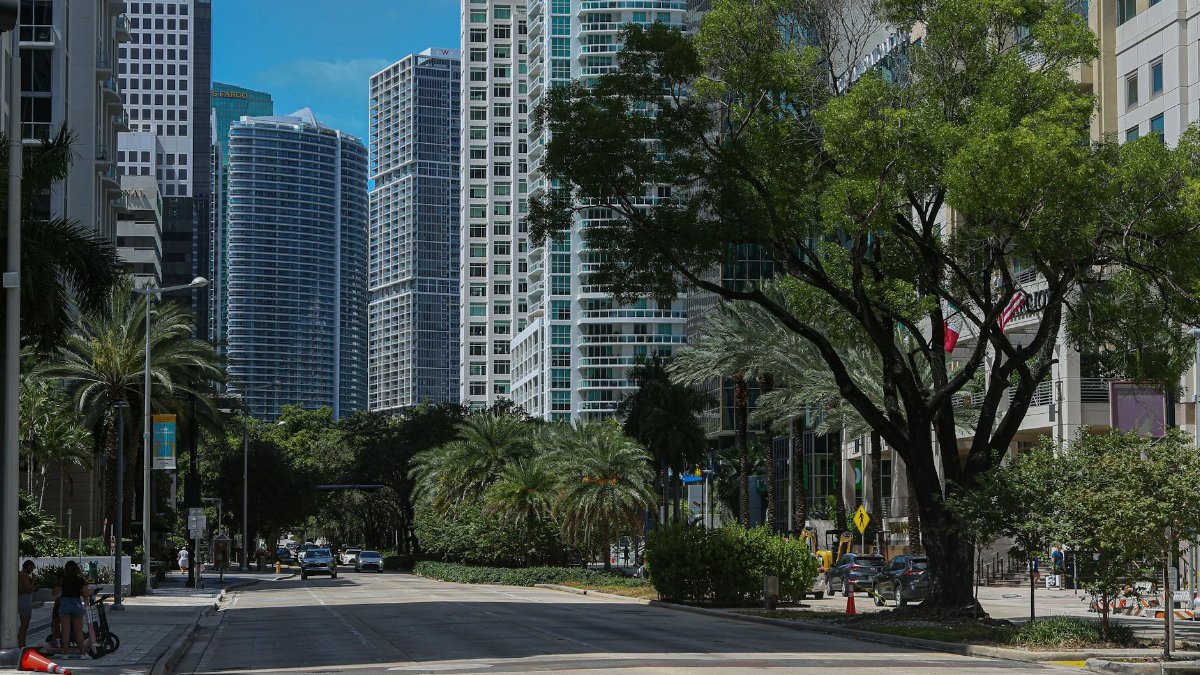
The centers location in downtown Miami once seemed ideal. Proximity to government buildings and business districts promised easy access. Yet the explosive growth of the surrounding neighborhood has changed the equation. New residential towers, restaurants, and office spaces now compete for the same limited parking inventory.
Event nights create surges that overwhelm existing capacity. Ride sharing services have helped some patrons but not all. Many middle aged visitors prefer to drive themselves, valuing the independence and convenience of personal transportation. For them the absence of reliable Arsht Center parking has become more than an inconvenience. It has become a barrier that limits participation in the cultural life of the city.
Moving Forward with a Six Story Solution

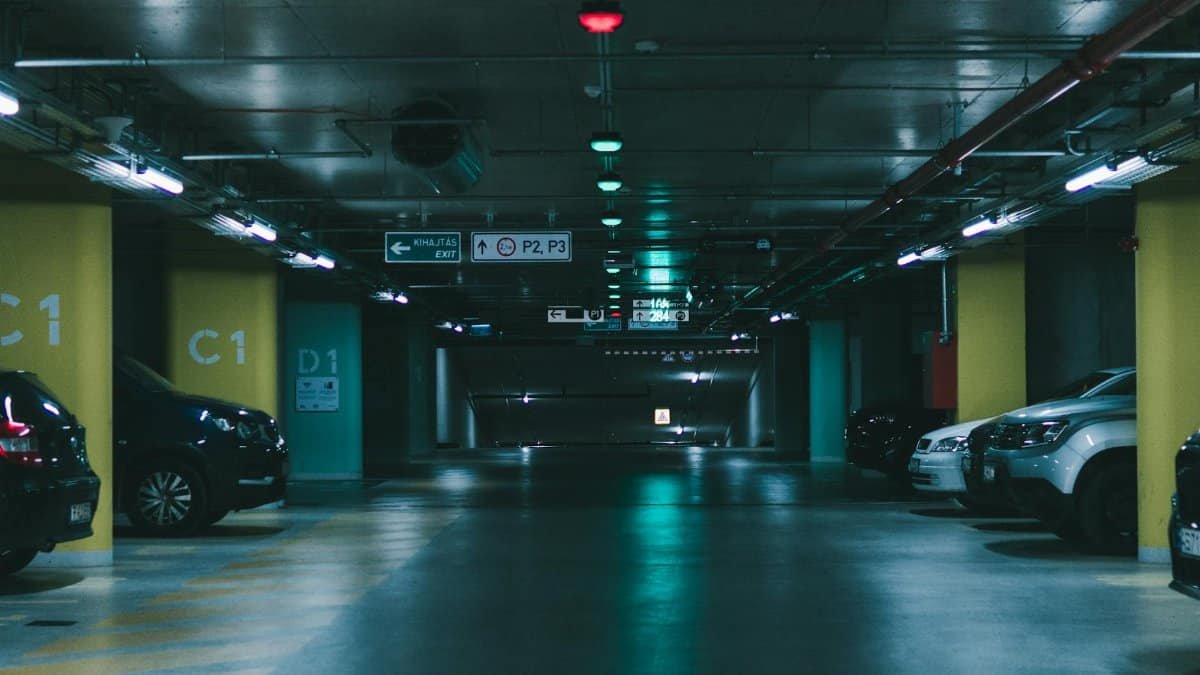
According to reporting by the Miami Herald, center officials are advancing plans for a dedicated six story parking structure. The project carries a sixty one million dollar price tag and would provide badly needed dedicated spaces. Location details remain under discussion but the intent is clear. The Arsht Center intends to resolve its most persistent operational challenge.
Construction timelines have yet to be finalized. Funding will likely draw from a combination of public and private sources. The proposal reflects a pragmatic recognition that great cultural institutions require practical support systems. Without adequate parking even the finest programming risks playing to partially filled houses.
Arts as Nourishment for the Spirit

Live performance has always occupied a unique place in human experience. In an age of digital distraction the shared silence before a conductor raises a baton or a dancer takes the first step can feel almost sacred. For many middle aged adults these evenings provide rare opportunities for reflection and emotional renewal.
Spiritual life takes many forms. Some find it in houses of worship. Others discover it in the presence of exceptional art that elevates the senses and expands understanding. The Arsht Center has quietly served this role for two decades. Its programming often explores themes of resilience, love, loss and redemption. When parking difficulties discourage attendance those potential moments of spiritual and emotional connection never occur.
By addressing the parking shortage leaders at the center are indirectly affirming the deep importance of making such experiences accessible. In this sense the garage project carries a significance that extends beyond concrete and steel.
Economic Impact on Downtown Miami
A new parking garage would likely generate positive ripple effects throughout the downtown economy. Visitors who arrive without stress tend to linger longer. They may dine at nearby restaurants before or after performances. They browse shops and enjoy the urban atmosphere when logistical worries no longer dominate their thoughts.
Local businesses have watched the centers growth with interest. Many depend on evening programming to drive customer traffic. A reliable parking solution could strengthen these economic relationships and encourage further investment in the cultural district. Urban planners see the project as one piece of a larger vision for a vibrant, walkable downtown that balances residential, commercial and artistic uses.
Community Perspectives and Concerns

Not every resident views the garage proposal with pure enthusiasm. Some worry about increased traffic during construction or question whether public resources should support parking infrastructure. Others wonder about the architectural impact on the surrounding streetscape. These conversations reflect healthy civic engagement in a city still defining its future density and character.
Center officials have emphasized their commitment to community dialogue. They recognize that successful urban development requires balancing the needs of arts patrons with those of nearby residents. Early feedback suggests broad support for the core concept even as specific design elements continue to evolve.
Architectural and Environmental Considerations
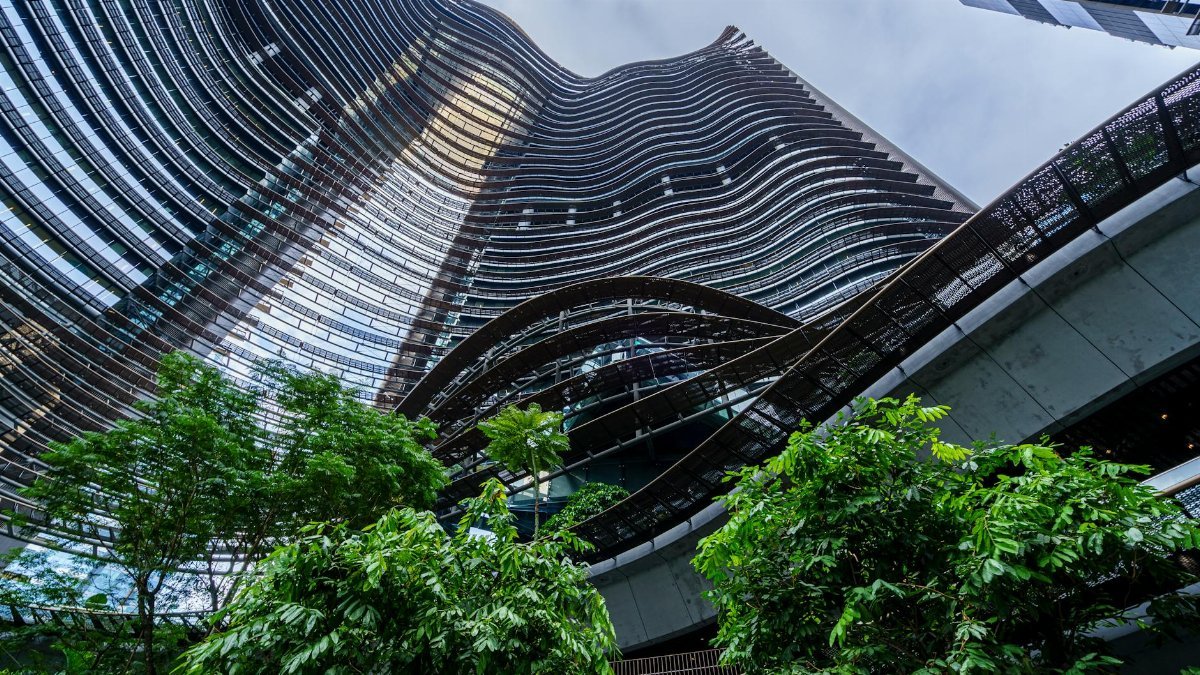
Modern parking structures need not be utilitarian eyesores. Contemporary designs incorporate green elements, attractive facades and functional elegance. Planners for the Arsht Center project will likely explore opportunities to integrate sustainable features such as electric vehicle charging stations and energy efficient lighting.
The broader conversation about downtown development includes questions of environmental responsibility. How can a new garage minimize its carbon footprint? What role should green space play in the final design? These considerations matter to a generation that values both cultural vitality and environmental stewardship.
Lessons from Two Decades of Operation
The past twenty years have taught the Arsht Center valuable lessons about what audiences truly need. Exceptional programming remains essential. So does the ability to deliver that programming without unnecessary obstacles. The parking initiative demonstrates an institutional willingness to adapt and improve rather than rest on past achievements.
Many comparable cultural centers across the country have faced similar challenges. Some have solved them through creative partnerships with municipal garages or incentives for public transportation. Miami appears poised to pursue a more direct solution that gives the Arsht Center greater control over the visitor experience from the moment patrons arrive.
Looking Toward the Next Twenty Years

As the Arsht Center enters its third decade the proposed parking garage represents more than additional spaces. It signals confidence in the institutions long term importance to the cultural and spiritual life of South Florida. For middle aged residents who remember the centers opening and have supported it through the years this development offers reassurance that their beloved arts destination continues to evolve.
The project also carries symbolic weight. In a fast changing city it suggests that cultural infrastructure deserves the same thoughtful investment as commercial and residential development. When communities prioritize access to music, theater and dance they affirm the human need for beauty and shared meaning.
Construction will bring temporary disruption. Yet the eventual outcome could transform how thousands of visitors experience one of Miamis most treasured institutions. The hope is that future audiences will arrive relaxed and ready to receive whatever emotional or spiritual gifts the evening performance might offer.
Success will ultimately be measured not merely in occupancy rates but in the stories patrons tell about seamless evenings filled with artistry rather than anxiety. If the new garage helps create more of those evenings it will have justified every dollar and every hour of planning that went into its creation.
The coming months will bring further details about design, timeline and financing. For now the announcement itself offers encouragement. Twenty years after its celebrated opening the Arsht Center continues to demonstrate the same pioneering spirit that brought it into existence. By confronting the practical challenge of Arsht Center parking it reaffirms its commitment to serving the community in both profound and prosaic ways.