
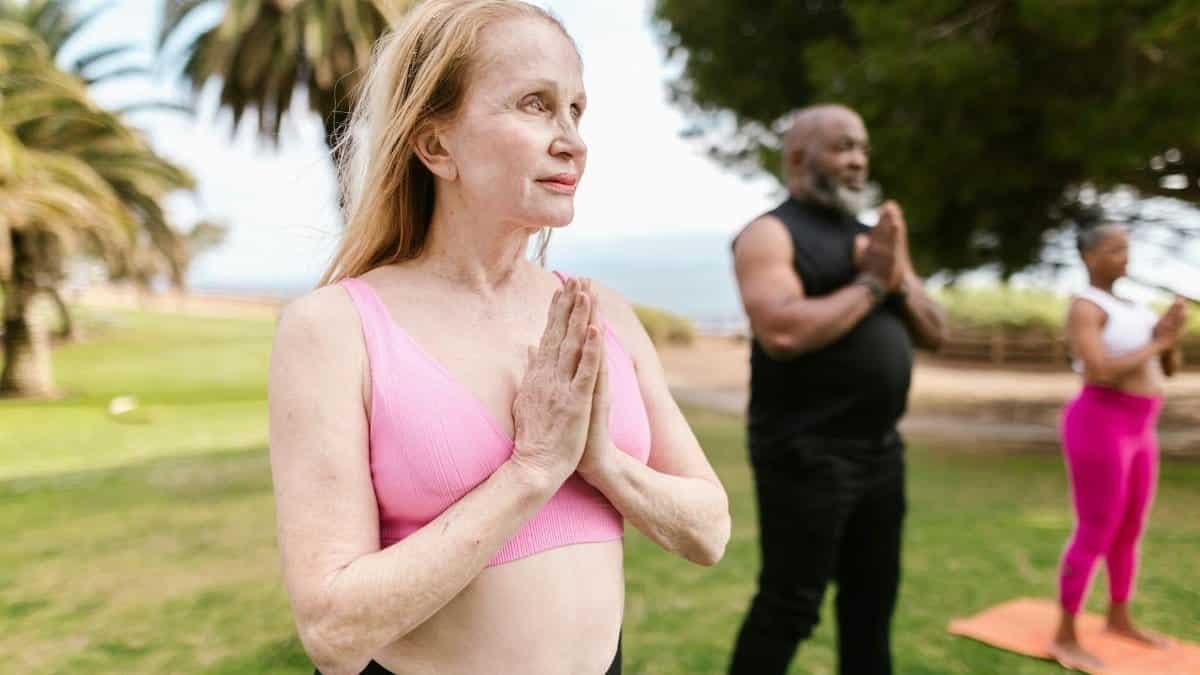
In a fast-paced world, mindfulness influencers California are causing a major shift in how people approach mental wellness this year. Across the Golden State, a group of prominent wellness influencers are leveraging their social media platforms to champion mindful living practices. Their focus? Helping followers manage the ego and cultivate a deeper sense of self-awareness. With millions tuning in, these California-based voices are reshaping daily habits, offering practical tools for inner peace in an era of constant distraction. Their impact is undeniable, and their message is spreading fast.
Who Are These Mindfulness Influencers?

California, long a hub for wellness and innovation, is home to a growing cadre of social media influencers dedicated to mindfulness. These individuals, ranging from yoga instructors to life coaches, have built substantial followings by sharing actionable advice on living with intention. Their content often includes guided meditations, breathing exercises, and candid discussions about personal growth. By focusing on accessible techniques, they’re making mindfulness a mainstream priority for diverse audiences across the state and beyond.
The Core Message: Managing the Ego
At the heart of their teachings is a critical concept: managing the ego. These influencers emphasize that unchecked ego—whether it manifests as pride, insecurity, or self-obsession—can disrupt mental clarity and relationships. Through short videos, live streams, and Instagram posts, they offer strategies to recognize and temper ego-driven thoughts. Their approach isn’t about suppression but balance, encouraging followers to reflect on their motivations and actions with honesty and humility.
Why California Leads the Charge

California’s unique cultural landscape makes it a natural breeding ground for mindfulness influencers. The state has a storied history of embracing holistic health, from the counterculture movements of the 1960s to today’s wellness tech startups in Silicon Valley. This environment fosters a receptive audience for ideas about mindful living. Influencers here tap into a community already primed for self-improvement, amplifying their reach through local events, retreats, and collaborations with wellness brands.
Techniques That Resonate With Followers
The mindfulness practices promoted by these influencers are often simple yet powerful. Daily journaling to uncover ego-driven patterns is a common recommendation, as are mindfulness meditations that focus on grounding oneself in the present moment. Some influencers advocate for “ego checks”—brief pauses during the day to assess one’s emotional state. These tools are designed for busy lifestyles, ensuring that even a few minutes can make a difference in mental well-being.
The Role of Social Media in Spreading Mindfulness
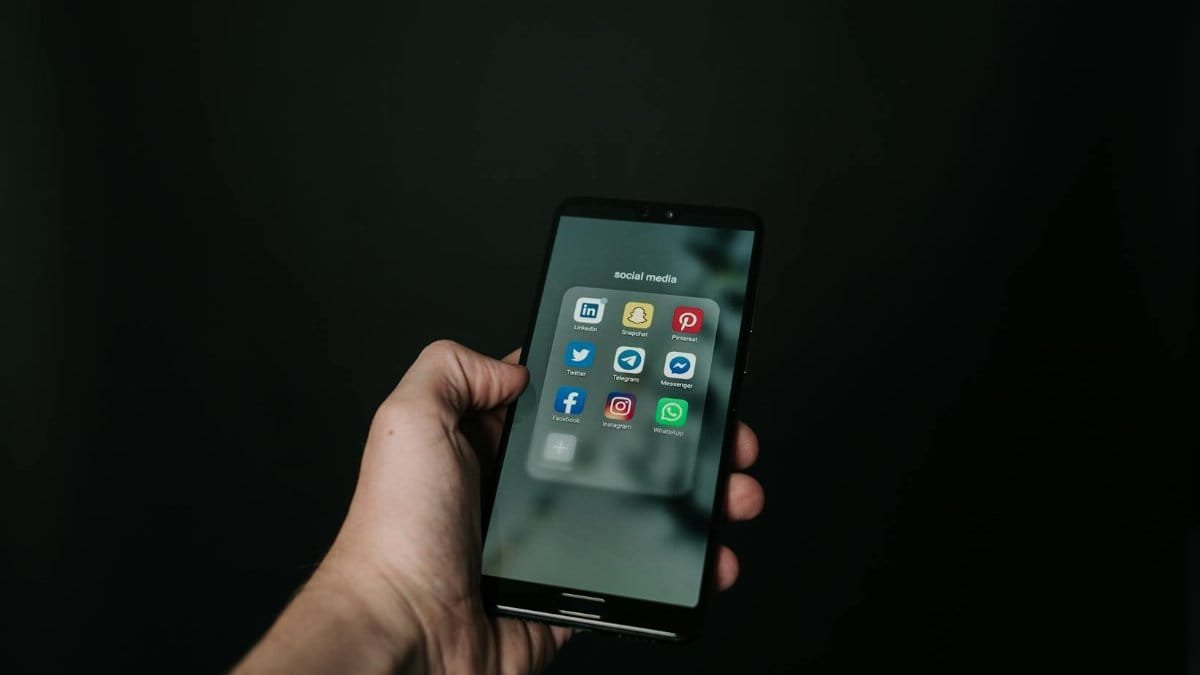
Social media platforms like Instagram, TikTok, and YouTube are the primary vehicles for these California influencers. Bite-sized content, such as 60-second videos on calming the mind, allows them to reach millions instantly. Live sessions foster a sense of community, where followers can ask questions and share experiences. This digital accessibility breaks down barriers, making mindfulness practices available to anyone with a smartphone, regardless of location or income.
Impact on Mental Health Trends in 2025

As mental health remains a pressing concern in 2025, the work of mindfulness influencers California is gaining traction. Their focus on ego management aligns with broader societal shifts toward self-awareness and emotional intelligence. Studies from reputable sources like the Centers for Disease Control and Prevention (CDC) highlight the rising demand for mental health resources. These influencers fill a gap, offering free or low-cost guidance that complements traditional therapy.
Challenges in the Mindfulness Space

Despite their success, these influencers face hurdles. Critics argue that social media can oversimplify complex mental health issues, reducing mindfulness to trendy hashtags rather than deep practice. There’s also the risk of commercialization, as some influencers partner with brands that may prioritize profit over authenticity. Still, many remain committed to providing genuine value, often addressing these concerns directly with their audiences to maintain trust.
Broader Implications for Wellness Culture

The rise of mindfulness influencers in California signals a larger cultural pivot toward prioritizing mental and emotional health. Their teachings encourage a proactive approach, urging individuals to take charge of their inner lives before issues escalate. Research from organizations like Pew Research Center underscores a growing public interest in wellness practices, and these influencers are at the forefront of meeting that demand with relatable, practical content.