

Have you ever wondered if that old mirror in your attic could bring bad luck? A growing fascination with the supernatural has people revisiting a cursed objects list, eyeing everyday items tied to eerie tales. From ancient relics to modern trinkets, these objects are rumored to carry dark energy or tragic histories. Whether you’re a skeptic or a believer, the stories behind these items are hard to ignore. Let’s unpack 10 common objects often linked to curses and explore why they’ve earned their spooky reputations.
1. Mirrors and Broken Reflections

Mirrors top many a cursed objects list due to their association with superstition. Breaking one is said to bring seven years of bad luck, a belief rooted in ancient Roman culture where mirrors were thought to reflect the soul. Some even claim certain mirrors, like the infamous “Myrtles Plantation Mirror” in Louisiana, trap spirits. Whether it’s folklore or something more sinister, mirrors continue to unnerve people in 2025.
2. Dolls with a Dark Side

Dolls, especially antique ones, often carry creepy reputations. Take “Annabelle,” a real-life doll linked to demonic activity and housed in the Warren’s Occult Museum. Stories of possessed toys staring or moving on their own fuel paranormal fears. These unsettling playthings remind us why dolls frequently appear on lists of cursed items.
3. Ouija Boards Inviting Trouble
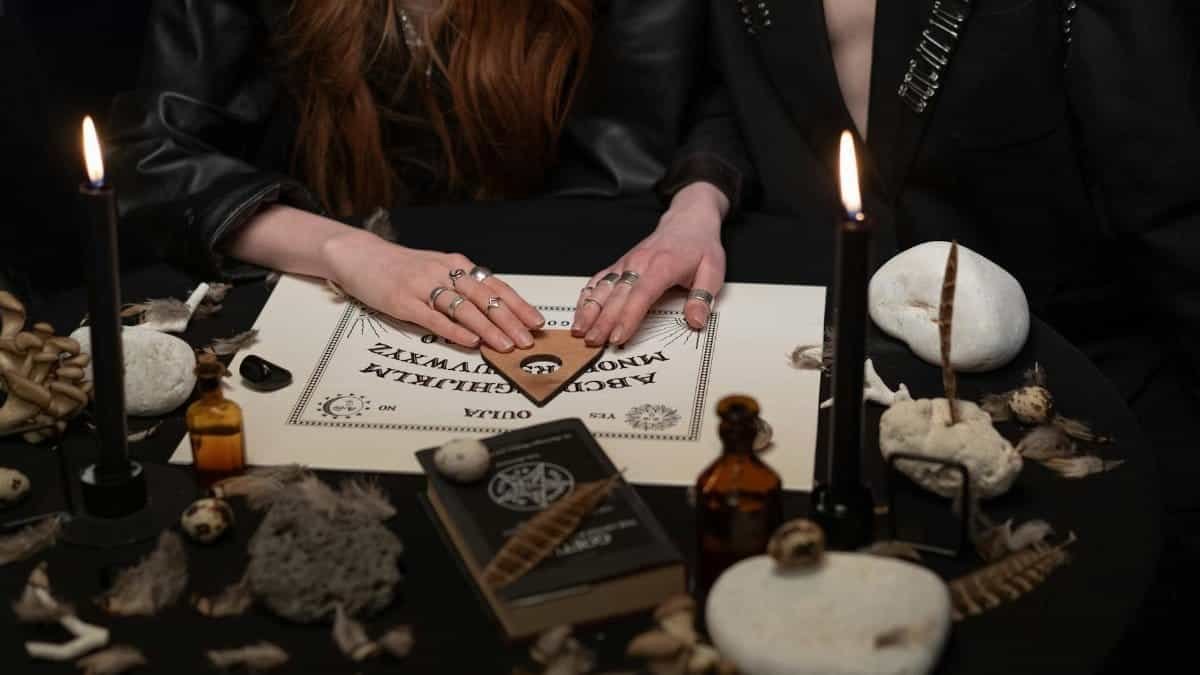
Ouija boards are notorious for supposedly opening doors to the spirit world. Marketed as a game since the late 19th century, countless users report eerie experiences after sessions. Skeptics call it the ideomotor effect, but believers warn against meddling. No surprise this “talking board” is a staple on any cursed objects list.
4. Wedding Rings with Tragic Pasts

Wedding rings, symbols of love, can turn sinister when tied to tragic stories. Rings from doomed marriages or violent histories are said to carry negative energy. Some pawn shop owners even refuse to resell certain bands, fearing they bring misfortune to new owners. A subtle but chilling entry in cursed lore.
5. Paintings That Haunt
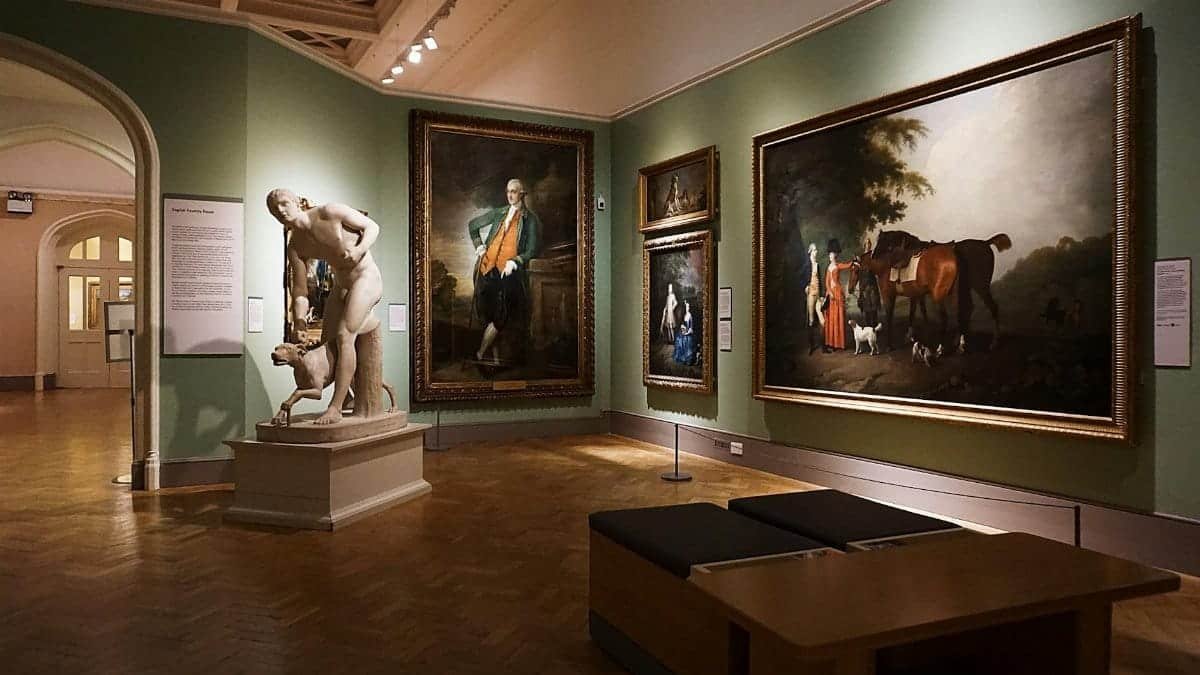
Certain paintings, like “The Crying Boy” by Giovanni Bragolin, are blamed for unexplained fires and misery. Mass-produced in the 1950s, copies of this eerie portrait of a tearful child have spooked owners for decades. Art lovers beware—some canvases might bring more than aesthetic value.
6. Ancient Jewelry and Curses

Ancient jewelry, especially from Egyptian tombs, often carries tales of curses. The concept gained fame with the “Curse of the Pharaohs” after Tutankhamun’s tomb was opened in 1922, followed by mysterious deaths. While science points to toxins or coincidence, the mystique of cursed artifacts persists. For more on tomb discoveries, check National Geographic.
7. Chairs of Death

Some chairs are tied to grim fates, like the “Busby’s Stoop Chair” in England, linked to a murderer’s curse. Legend says anyone who sits in it dies soon after. While the chair is now displayed out of reach, such stories make furniture an unexpected cursed category. Who knew sitting could be risky?
8. Books Bound by Evil
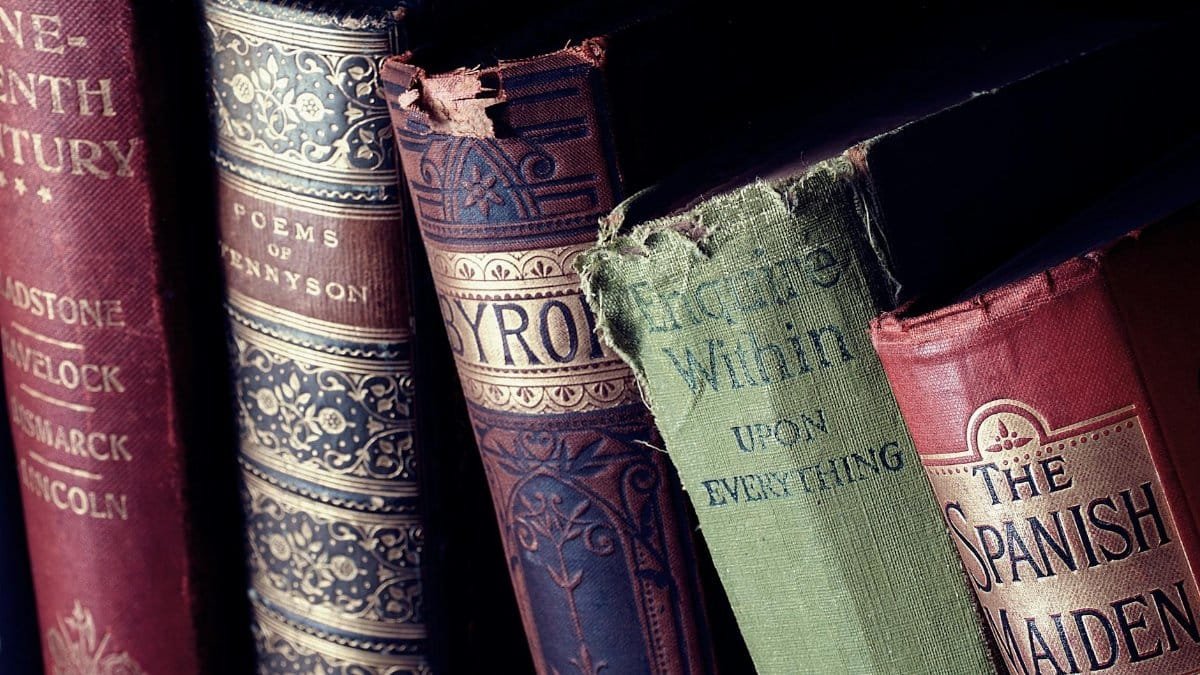
Old books, especially grimoires or texts tied to the occult, often bear cursed reputations. The “Necronomicon,” though fictional in H.P. Lovecraft’s works, inspired real fear. Historical tomes with dark rituals or tragic owners add to the lore. Libraries might hold more than knowledge, so flip pages with caution.
9. Gemstones with Grim Histories

Gemstones like the Hope Diamond are infamous for alleged curses. This 45.52-carat blue diamond, now at the Smithsonian, is tied to bankruptcies, suicides, and murders among its owners. Historians debate the tales, but the stone’s dark legacy endures. Learn more at Smithsonian Institution.
10. Everyday Knives Carrying Bad Luck

Knives, often gifted as tools, can symbolize severed ties or violence in folklore. Receiving one as a gift is considered bad luck in some cultures unless a coin is given in return. Beyond superstition, knives from crime scenes or tragic events carry an extra layer of dread, landing them on cursed lists.